Atlantic Mackerel (Scomber Scombrus): Nutritional Benefits, Uses, and Why It’s a Top Choice for Seafood Buyers

Atlantic Mackerel (Scomber scombrus): A Strategic Procurement Guide for Seafood Importers and Global Buyers
A delayed shipment, inconsistent grading, or incomplete export documentation can quickly disrupt seafood procurement plans. For supermarket chains, seafood processors, foodservice operators, and wholesale distributors, supply interruptions often result in inventory shortages, production delays, and lost sales. Businesses sourcing Atlantic Mackerel (Scomber scombrus) require more than competitive pricing—they need dependable suppliers capable of delivering consistent quality, reliable logistics, and export-ready documentation.
International demand for Atlantic Mackerel (Scomber scombrus) continues to expand across the United States, Europe, the UAE, and Asia. Buyers increasingly prioritize traceability, sustainability, food safety, and supplier reliability over short-term pricing advantages. Procurement decisions now focus on reducing supply chain risk while ensuring consistent product availability throughout the year.
Whether purchasing whole round fish, H&G, fillets, or value-added products, experienced buyers evaluate suppliers according to operational performance, production capacity, and export expertise. Long-term success depends on selecting partners that consistently deliver premium seafood while supporting efficient international trade.
What an Atlantic Mackerel (Scomber scombrus) Supplier Should Actually Deliver
Choosing the right supplier for Atlantic Mackerel (Scomber scombrus) involves evaluating the complete supply chain rather than comparing quotations alone.
Responsible Seafood Sourcing
A reputable fresh Atlantic mackerel supplier works directly with responsibly managed fisheries operating under recognized sustainability programs and fisheries regulations.
Professional suppliers should provide transparent information regarding fishing grounds, harvesting seasons, catch methods, and product origin. This level of transparency supports buyer confidence while simplifying regulatory compliance.
Modern Processing Standards
Processing quality directly affects shelf life, appearance, texture, and overall customer satisfaction.
Leading wholesales suppliers mackerel fillet invest in modern processing facilities equipped with hygienic production systems, rapid freezing technology, and standardized grading procedures. Consistent processing ensures every shipment meets agreed commercial specifications.
Export Management
Reliable international trade depends on coordinated export operations.
Experienced suppliers oversee production scheduling, inspections, freight booking, customs procedures, and shipment coordination to ensure products arrive on schedule while maintaining product quality.
Export Documentation
International buyers require complete and accurate documentation before cargo departs.
Typical documentation includes health certificates, certificates of origin, commercial invoices, packing lists, catch certificates where applicable, veterinary certificates, and customs declarations.
Accurate paperwork reduces customs delays while improving operational efficiency.
Quality Assurance
Quality management should cover every stage of production.
Professional suppliers inspect raw materials, monitor freezing temperatures, verify grading accuracy, test microbiological safety, examine packaging integrity, and maintain complete traceability records.
Strong quality assurance minimizes claims while protecting long-term commercial relationships.
Cold-Chain Logistics
Maintaining consistent temperatures throughout transportation is essential for frozen seafood.
An experienced frozen seafood exporter coordinates refrigerated storage, insulated loading procedures, container monitoring, and international logistics to preserve the quality of Atlantic Mackerel (Scomber scombrus) until final delivery.
Why Norwegian Atlantic Mackerel (Scomber scombrus) Remains in Demand
Norway has established itself as one of the world’s most respected seafood exporters through sustainable fisheries management, strict quality standards, and highly efficient export infrastructure.
Sustainable Fisheries Management
Norwegian fisheries operate under science-based management systems designed to protect fish stocks while supporting long-term commercial harvesting.
Responsible fisheries management provides confidence for buyers seeking dependable, sustainable seafood sources.
Consistent Product Quality
Many buyers choose Atlantic Mackerel (Scomber scombrus) from Norway because of its consistent size, freshness, fat content, and processing quality.
Uniform grading improves inventory planning while supporting retail, foodservice, and processing requirements.
Global Reputation
Norwegian seafood enjoys strong international recognition among seafood importers, wholesale distributors, supermarkets, and restaurant groups.
Decades of dependable export performance have strengthened confidence in Norwegian seafood worldwide.
Reliable Export Infrastructure
Efficient ports, advanced processing plants, refrigerated logistics networks, and experienced exporters contribute to Norway’s position as a leading seafood supplier.
This infrastructure helps minimize transportation risks while maintaining cold-chain integrity.
Predictable Commercial Supply
Although harvesting follows seasonal patterns, established Atlantic Mackerel Exporters Norway maintain coordinated production planning that supports year-round commercial supply for international customers.
Key Buying Factors When Comparing Suppliers
Choosing suppliers for Atlantic Mackerel (Scomber scombrus) requires careful evaluation of operational capabilities.
Product Specifications
Every shipment should meet clearly defined commercial specifications covering:
- Species verification
- Fish size
- Weight range
- Glazing percentage
- Freezing method
- Packaging configuration
- Shelf life
- Product grade
Clearly documented specifications reduce misunderstandings while improving procurement consistency.
Factory-Direct Sourcing
Working with a factory direct seafood supplier often improves communication, pricing transparency, and production visibility.
Factory-direct sourcing also enables buyers to communicate directly with production teams responsible for quality management.
Traceability
Modern seafood sourcing requires complete traceability from harvesting through export.
Reliable suppliers maintain detailed production records covering fishing areas, processing dates, batch identification, storage history, and shipment documentation.
Traceability supports food safety and regulatory compliance.
Export Documentation
An experienced seafood import supplier understands destination-specific import regulations.
Complete documentation reduces customs delays while supporting efficient international trade.
Cold-Chain Integrity
Frozen seafood quality depends upon uninterrupted refrigeration.
Professional exporters continuously monitor cold storage facilities, refrigerated containers, transportation schedules, and delivery conditions.
Supply Planning
Reliable procurement depends on dependable production planning.
Experienced suppliers coordinate harvesting schedules, inventory management, processing capacity, and customer forecasts to reduce supply disruptions.
Production Capacity
Growing businesses require suppliers capable of supporting increasing order volumes.
Production capability should include processing equipment, skilled personnel, cold storage capacity, and export infrastructure.
Quality Consistency
Professional buyers expect identical quality across every shipment.
Reliable suppliers maintain standardized production procedures that consistently deliver premium products regardless of order size or destination.
Why Factory Pricing Matters—But Only in Context
Competitive pricing remains important when purchasing Atlantic Mackerel (Scomber scombrus), but experienced procurement teams recognize that quotation prices tell only part of the story.
The lowest supplier price may ultimately generate higher overall procurement costs if shipments encounter customs delays, inconsistent grading, poor packaging, or documentation errors.
Total landed cost includes transportation, customs clearance, inspection fees, financing costs, inventory carrying expenses, storage, and operational disruptions.
Reliable suppliers frequently reduce these hidden costs through efficient logistics, consistent quality, and accurate documentation.
Long-term commercial value should always outweigh short-term pricing advantages.
How Different Buyers Evaluate Suppliers
Different customer segments prioritize different supplier capabilities.
Supermarkets
Retail buyers focus on consistent appearance, standardized packaging, food safety compliance, accurate labeling, and dependable delivery schedules.
Reliable inventory supports promotional campaigns while improving consumer satisfaction.
Restaurants
Foodservice operators require consistent quality, predictable availability, and uniform product sizing.
Reliable seafood helps restaurants maintain menu consistency throughout the year.
Seafood Importers
A professional seafood importer evaluates suppliers according to production planning, logistics coordination, documentation accuracy, and communication.
Reliable exporters reduce procurement risks while supporting customer satisfaction.
Wholesale Distributors
A seafood distributor requires flexible packaging options, dependable lead times, and stable inventory availability across multiple customer categories.
Operational consistency improves customer retention and inventory management.
Seafood Processors
Processors prioritize standardized raw materials that improve production efficiency while minimizing waste.
Consistent grading and dependable supply help maintain manufacturing performance.
Warning Signs of Unreliable Suppliers
Every procurement organization should recognize supplier characteristics that increase operational risk.
Unclear Product Origin
Professional suppliers openly disclose harvesting regions and processing facilities.
Vague sourcing information often indicates limited supply chain transparency.
Poor Documentation
Repeated paperwork errors frequently signal operational weaknesses.
Incomplete export documentation can delay customs clearance while increasing compliance costs.
Inconsistent Specifications
Changing product sizes, glazing percentages, packaging formats, or grading standards create unnecessary procurement challenges.
Reliable suppliers maintain standardized production specifications throughout every shipment.
Weak Communication
Slow responses during quotation stages often continue throughout production and logistics management.
Professional exporters provide proactive updates regarding schedules, documentation, and shipment progress.
Heavy Dependence on Intermediaries
Businesses relying entirely on brokers frequently provide limited production visibility.
Direct relationships generally improve accountability while simplifying communication.
Why Long-Term Partnerships Outperform Spot Buying
Short-term purchasing opportunities occasionally produce attractive pricing. However, long-term supplier partnerships consistently create greater commercial value.
Companies sourcing Atlantic Mackerel (Scomber scombrus) through dependable suppliers benefit from improved forecasting, coordinated production planning, and more stable inventory management.
Long-term suppliers understand customer specifications, preferred packaging formats, seasonal demand, and delivery expectations.
This familiarity improves communication during unexpected supply disruptions while supporting faster problem resolution.
Pricing also becomes more predictable because both parties can coordinate purchasing strategies instead of reacting to short-term market volatility.
Strong supplier relationships encourage continuous quality improvements while strengthening supply chain resilience.
Building a Reliable Atlantic Mackerel Procurement Strategy
International seafood procurement continues to evolve as buyers demand higher standards for sustainability, traceability, food safety, and export reliability.
Organizations achieving the strongest purchasing outcomes evaluate suppliers according to operational capability rather than marketing claims. Production discipline, quality assurance, documentation accuracy, cold-chain management, and transparent communication all contribute to lower sourcing risk.
Working with experienced Exporters Atlantic Mackerel, dependable Atlantic Mackerel distributors, established Atlantic Mackerel supplier partners, and trusted seafood sourcing specialists helps importers build resilient international supply chains.
Many seafood businesses also strengthen procurement efficiency by consolidating purchases through experienced frozen seafood wholesale providers offering complementary products from reliable processing facilities. This strategy simplifies logistics while improving purchasing performance across multiple seafood categories.
Companies such as Aschums Seafood build their business around factory-direct sourcing, premium Norwegian seafood, and export-ready logistics. Rather than relying on promotional messaging, this approach reflects the priorities valued by experienced procurement professionals: product consistency, transparent sourcing, dependable documentation, and reliable international delivery.
Ultimately, purchasing Atlantic Mackerel (Scomber scombrus) successfully depends on selecting suppliers capable of delivering consistent quality, complete traceability, reliable export logistics, and responsive communication. Supplier reliability consistently generates greater long-term value than the lowest quoted price, making it one of the most important competitive advantages for seafood importers, distributors, supermarkets, foodservice operators, and processors.
Suggested Image Alt Text
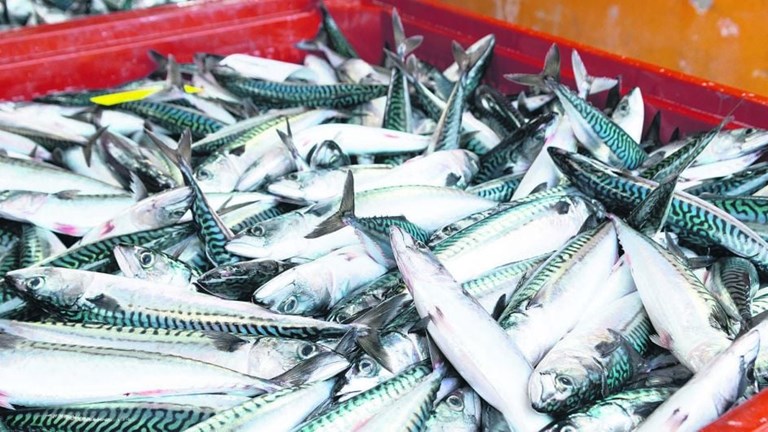
- Atlantic Mackerel (Scomber scombrus) packed for export
- Frozen Atlantic Mackerel (Scomber scombrus) in factory processing line
- Premium Norwegian Atlantic Mackerel (Scomber scombrus) supplier
- Atlantic Mackerel (Scomber scombrus) ready for international seafood export
- Factory-direct Atlantic Mackerel (Scomber scombrus) for global seafood buyers