
A missed delivery window on seafood does more than delay stock. It affects menu planning, retail turnover, freezer space, labor scheduling, and customer confidence. That is why fresh frozen seafood wholesale matters to serious buyers – not as a backup option, but as a practical supply model built for consistency, shelf life, and commercial control.
For importers, distributors, foodservice suppliers, and retail buyers, the real question is not whether frozen seafood can meet quality expectations. The question is whether your wholesale partner can deliver the right species, packing format, origin documentation, and repeatable product standard every time. When the product is sourced well and frozen correctly, fresh frozen seafood can protect quality, simplify logistics, and support better margins across multiple sales channels.
Why fresh frozen seafood wholesale works for commercial buyers
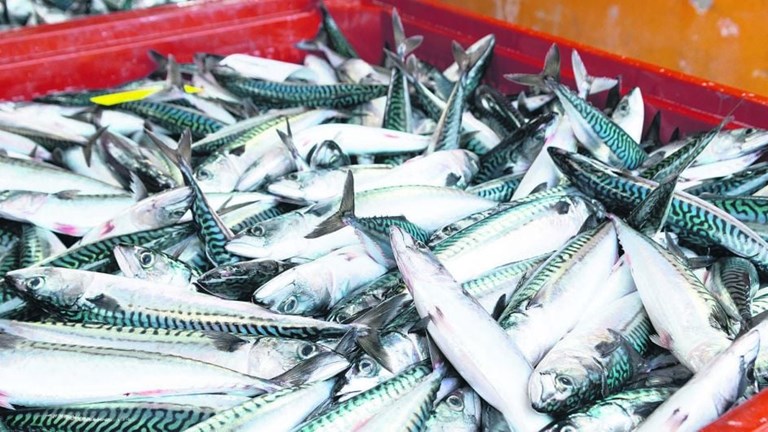
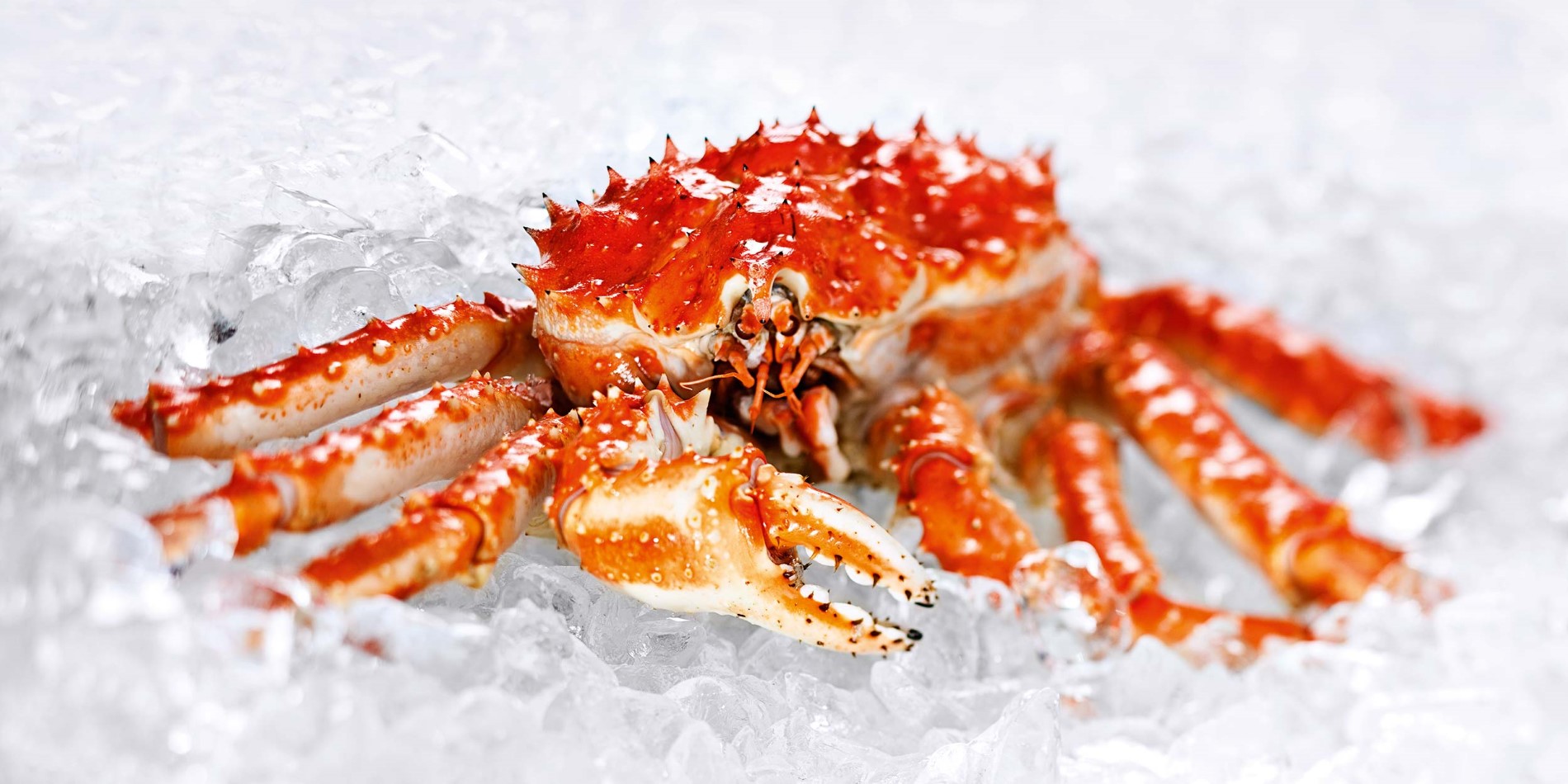
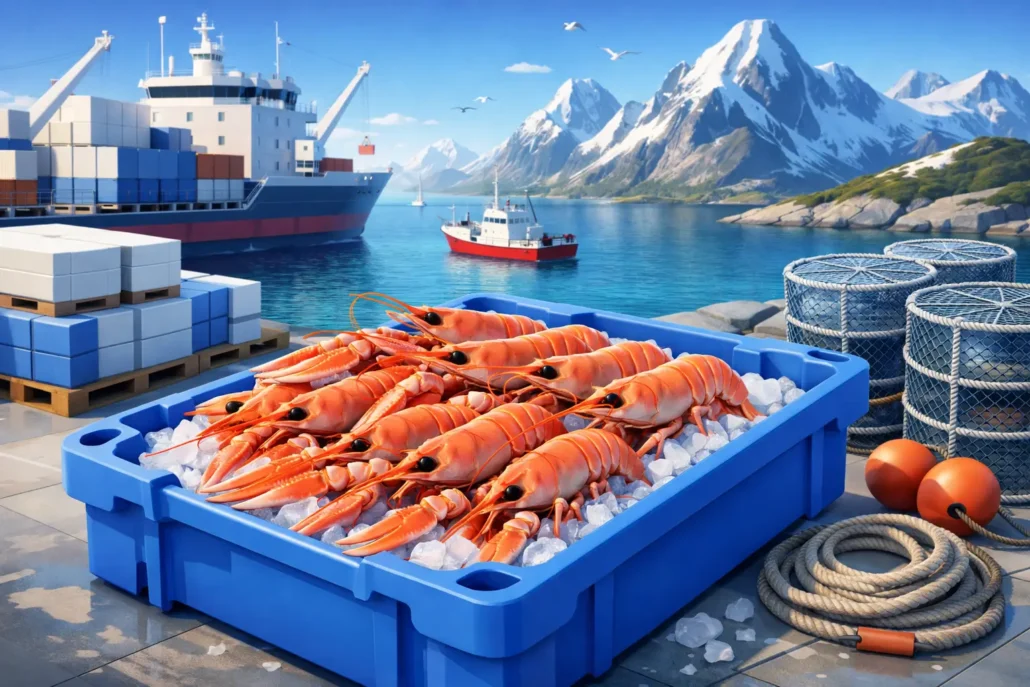
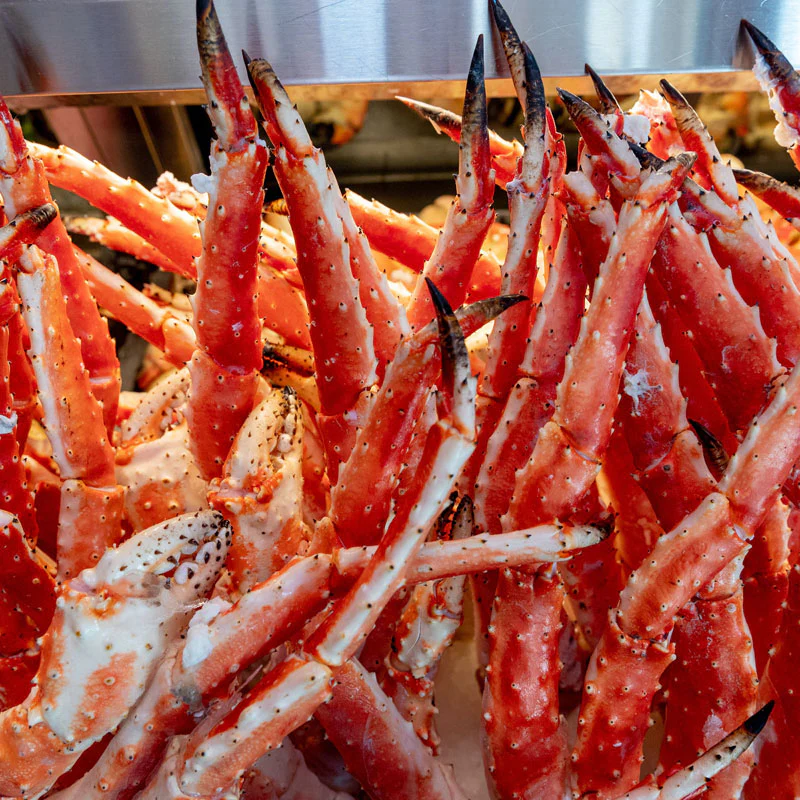
Fresh frozen product gives buyers a broader operating window. That matters when you are buying for distribution, replenishing multiple accounts, or supplying restaurants and specialty retail with different turnover rates. A properly frozen Atlantic cod fillet, whole mackerel, langoustine, or king crab product offers dependable inventory planning without forcing a compromise on eating quality.
The strongest argument for frozen is consistency. Fresh product has a shorter sales horizon and leaves less room for delays at port, customs, inland transport, or warehouse handling. Frozen product gives importers and resellers more control over timing. That control often translates into lower waste, fewer claims, and more stable customer relationships.
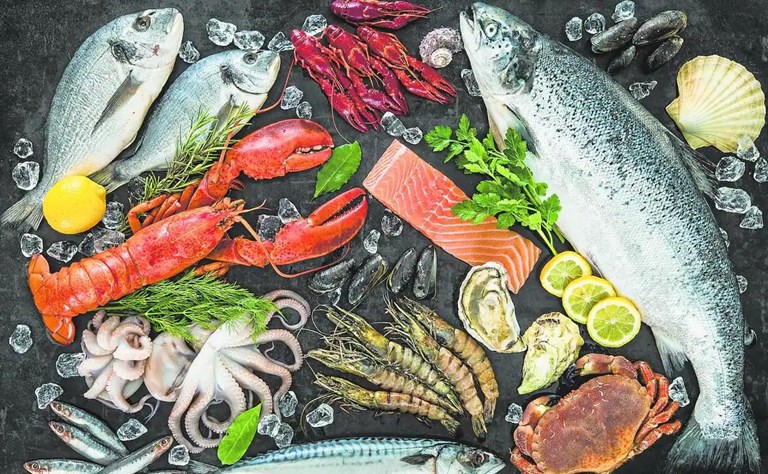
There is also a commercial advantage in product range. Buyers working in wholesale and export rarely source a single item. They may need salmon for retail packs, cod for foodservice, shrimp for distribution, and smoked or dried products for specialty channels. A supplier with a broad Norwegian catalog can support mixed demand patterns while maintaining one sourcing relationship and one export process.
Fresh frozen seafood wholesale is not all the same
The phrase sounds simple, but standards vary widely. Freezing method, grading discipline, glazing level, catch handling, and packing integrity all affect value. Two products may carry the same species name and still perform very differently once they reach your customer.
This is where origin and handling matter. Seafood from the cold, pristine waters of Norway is known for clean flavor, strong texture, and reliable species standards. But origin alone is not enough. Buyers should look closely at how the seafood was harvested, sorted, processed, and packed for export. Premium product starts long before it enters cold storage.
A dependable wholesaler understands that wholesale value is not just price per carton. It is the combined result of yield, presentation, shelf life, claim rate, and customer acceptance. A lower quote can become an expensive purchase if glazing is excessive, sizing is inconsistent, or the product arrives with weak packaging and poor cold chain discipline.
What serious buyers should evaluate before placing volume orders
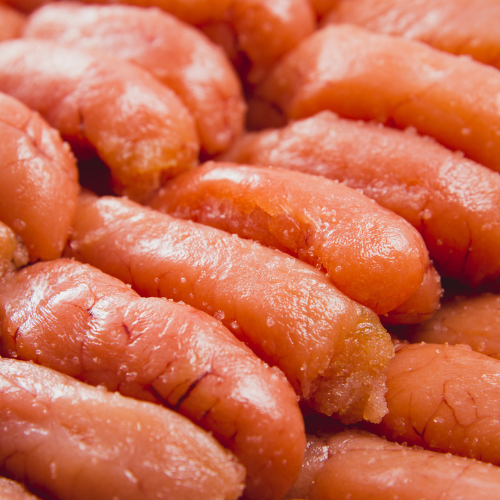
When sourcing at scale, the first point to verify is species accuracy and specification clarity. Commercial buyers need exact details on size ranges, product form, net weight, origin, freezing format, and packing method. Whether you are buying whole round fish, fillets, portions, shell-on shrimp, crab sections, or roe products, clear specifications reduce dispute risk and support smoother resale.
The second point is supply continuity. A wholesale relationship only works when the supplier can maintain dependable access through seasonal changes, fishing fluctuations, and market pressure. Some products are naturally more volatile than others. King crab, snow crab, and certain premium shellfish lines may require tighter planning than staple whitefish or pelagic products. A supplier should be direct about availability rather than overpromising on volume.
Quality control is equally important. Buyers should expect practical answers on grading, inspection, packaging standards, storage conditions, and export readiness. This is especially important when serving high-end restaurant accounts, premium seafood counters, or distributors working with strict specification contracts.
It also pays to understand where frozen performs best in your business model. For some buyers, frozen whole fish is ideal for further processing. For others, frozen fillets or portions are the better fit for labor efficiency and demand forecasting. There is no single right format. It depends on your end market, equipment, storage capacity, and customer expectations.
The Norwegian advantage in wholesale seafood supply
Norwegian seafood has strong global credibility for good reason. It benefits from cold waters, disciplined fisheries management, and a long export tradition built around quality and traceability. For buyers in the US and other international markets, that translates into confidence at the purchasing stage and a stronger story at the resale stage.
That matters across categories. Atlantic cod and haddock remain staple choices for foodservice and retail because of their clean profile and broad consumer appeal. Atlantic salmon continues to perform across premium retail, hospitality, and prepared foods. Mackerel delivers value and demand in both mainstream and ethnic channels. Crab, langoustines, shrimp, and specialty items such as stockfish or smoked products open higher-margin opportunities for buyers serving specific customer segments.
A supplier that works directly with trusted fishermen and processors can often offer better visibility on product flow, more stable specifications, and more competitive wholesale pricing. In export trade, direct sourcing strength is not a branding phrase. It is a practical advantage.
Matching product form to your sales channel
Not every frozen seafood item should be sold the same way. Foodservice buyers often prioritize consistent portions, low prep labor, and dependable plate performance. Retail distributors may care more about visual appearance, pack size flexibility, and shelf-life management. Specialty importers may focus on species authenticity, origin, and cultural demand.
This is why broad catalog depth matters. A wholesaler serving commercial buyers should be able to support standard volume lines and niche demand at the same time. Frozen cod fillets, salmon products, shrimp, crab, roe, smoked seafood, and dried fish each serve different margin structures and buyer priorities.
There are trade-offs. Whole fish can offer better flexibility and pricing for certain processors, but it may require more labor and stronger in-house capability. Ready-to-sell cuts reduce handling time but usually come at a different price point. Premium shellfish can elevate your range, but supply planning needs to be tighter and inventory discipline sharper.
Common risks in fresh frozen seafood wholesale
The biggest risk is treating frozen seafood as a commodity when your customers do not. If your buyers expect premium quality, then texture, appearance, glazing, and uniform sizing matter. A product that looks acceptable on paper can still underperform in a restaurant kitchen or seafood counter.
Another risk is buying too narrowly on price. Wholesale seafood is a margin business, but margin is not created by low invoice value alone. It comes from reliable sell-through, lower waste, fewer complaints, and stronger repeat orders. Product consistency protects all four.
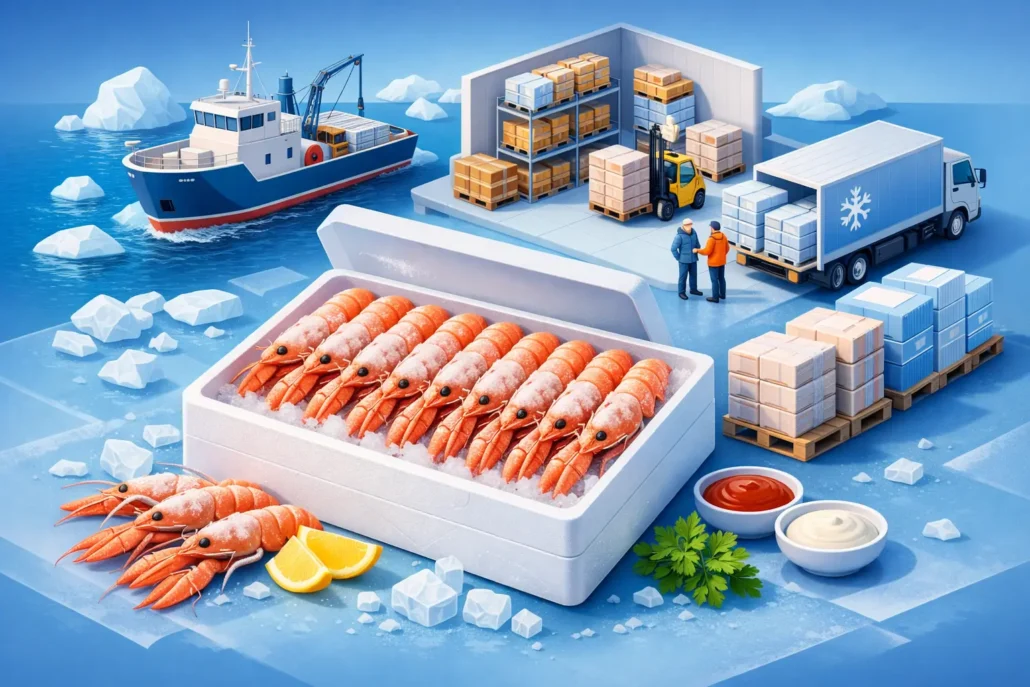
Logistics also deserve attention. Frozen supply offers more flexibility than chilled product, but only when the cold chain is managed correctly. Export documentation, container loading standards, storage temperatures, and arrival coordination all affect the final result. A supplier should be ready for export business, not learning on your order.
What a strong wholesale partner should deliver
A serious seafood wholesaler should bring more than stock availability. Buyers need responsive communication, realistic lead times, and clear product information. They also need a supplier that understands wholesale economics – not just how to ship fish, but how to support resale success.
That means offering premium Norwegian seafood with practical commercial value. It means product that is hand-picked, packed with care, and prepared for international distribution. It means being honest about specifications, seasonality, and alternatives when the market shifts.
For many buyers, the best partner is one that can support multiple categories under one export-ready operation. Aschums Seafood AB works in that model, supplying a wide range of fresh, frozen, live, smoked, and dried Atlantic seafood products for bulk buyers who need dependable quality from Norway.
Buying fresh frozen seafood wholesale with confidence
The most effective buying decisions usually come from asking a few direct questions early. Is the specification detailed enough for your sales team and customers? Is the supply line stable enough for repeat business? Does the product quality support your market position? Can the supplier handle export requirements without friction?
If the answers are clear, frozen seafood becomes more than a storage solution. It becomes a dependable commercial asset. You gain flexibility in inventory, more control over fulfillment, and a product base that can serve retail, hospitality, and distribution without constant compromise.
In wholesale seafood, reliability sells just as much as flavor. Buyers who source well, plan realistically, and work with a trusted Norwegian partner are usually in the best position to protect quality, serve demand, and grow with confidence.