Fish Exporters Europe Buyers Can Rely On

When a seafood program fails, it usually fails long before the shipment lands. The problem starts at source – inconsistent grading, unclear catch origin, weak cold-chain handling, or a supplier that can quote but cannot deliver at scale. That is why buyers searching for fish exporters Europe can rely on are not just comparing prices. They are assessing supply discipline, export readiness, and whether the product will perform in wholesale, retail, and foodservice channels.
For importers and distributors, Europe remains a serious sourcing region because it combines mature seafood infrastructure with strict handling standards, advanced processing capacity, and access to premium wild and farmed species. Within that landscape, Norwegian supply stands out for buyers who need strong origin value, dependable harvest cycles, and products that hold their quality from packing house to final market.
What sets fish exporters Europe apart
Not all exporters serve the same kind of buyer. Some work opportunistically, moving mixed loads when availability allows. Others are built for commercial supply, with consistent sourcing relationships, export documentation, product specifications, and the ability to support recurring orders. For professional buyers, that difference matters more than marketing language.
The better fish exporters Europe offer a clear supply model. They know the species, seasonality, and processing options they sell. They can discuss fresh versus frozen trade-offs honestly. They can confirm sizing, glazing, packing formats, and loading conditions without delay. Most importantly, they understand that wholesale seafood is a margin product. Quality matters, but so do yield, shelf life, claim risk, and repeatability.
European exporters also benefit from proximity to some of the world’s most respected fishing grounds and aquaculture operations. For Norwegian Atlantic seafood in particular, buyers are not simply buying fish. They are buying cold-water origin, recognized quality perception, and a supply chain built around export markets.
Why Norwegian origin carries weight
For many commercial buyers, origin is not a label issue. It is a sales and quality issue. Norwegian seafood has strong market recognition because the waters, harvesting traditions, and processing systems support premium positioning. That matters whether you are selling whole fish to a distributor, portions to foodservice, or value-added packs to specialty retail.
Norwegian origin is especially relevant for categories where appearance, texture, and freshness drive buying decisions. Atlantic salmon, cod, haddock, mackerel, and shellfish all benefit from a sourcing story that buyers can put in front of their own customers with confidence. Premium origin can support stronger resale positioning, but only if the exporter backs it up with real consistency.
That is where experienced suppliers separate themselves. A dependable Norwegian exporter is not just offering access to fish from the pristine waters of Norway. They are offering hand-picked supply, quality control at every stage, and commercial packing designed for export performance.
What serious buyers should check before placing volume
A supplier may have a broad catalog, but a wide product range only helps if the operational side is equally strong. Importers and wholesalers should look closely at how an exporter handles specifications, product forms, and shipment planning.
Fresh product can be highly profitable, but it requires precise timing and dependable logistics. Frozen product often provides more flexibility, better inventory control, and lower spoilage risk, though some markets will price fresh more aggressively. Smoked and dried products can offer excellent niche value, particularly in ethnic markets, specialty retail, and premium foodservice, but they require the right customer base and clear product education.
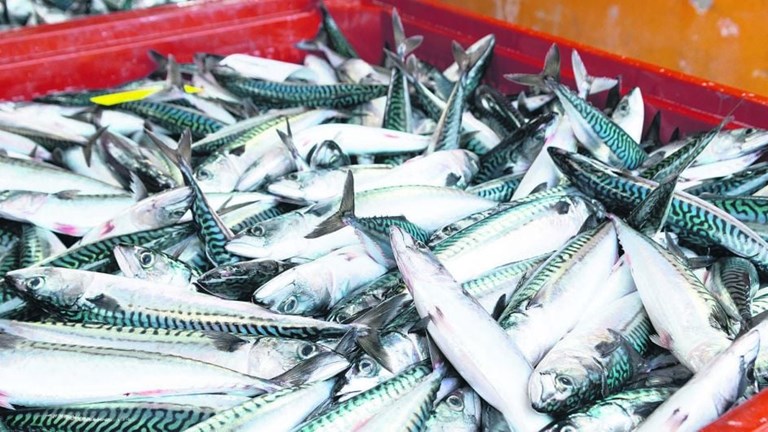
The right exporter should be able to discuss these trade-offs in commercial terms. If a buyer needs Atlantic cod fillets for retail, the conversation should include cut consistency, pack size, and frozen storage considerations. If the requirement is whole round mackerel for bulk distribution, then size ranges, fat content, and seasonal availability become more important. If the buyer is sourcing stockfish, smoked salmon, cod roe, or salmon bellies, the exporter should understand the channel and recommend the most suitable specification.
Product range matters, but relevance matters more
One advantage of established European seafood exporters is category depth. A buyer may source salmon from one supplier and shellfish from another, but there is clear value in working with a partner that can support multiple lines under one export relationship.
That is particularly useful for distributors serving mixed demand across retail, hospitality, and foodservice. A supplier that can provide king crab, snow crab, brown crab, langoustines, shrimp, Atlantic cod, haddock, salmon, mackerel, smoked seafood, roe products, and traditional dried items gives buyers more room to build profitable assortments.
Still, broad range should not come at the expense of product credibility. It is better to work with an exporter that knows its categories and can maintain quality across them than one that lists dozens of products but treats supply as spot trading. Commercial buyers do not need endless options. They need products that arrive as ordered, packed correctly, and ready for the market they serve.
Fish exporters Europe and the importance of export readiness
Export readiness sounds basic, but many supply problems come from weak execution rather than poor raw material. Commercial seafood buyers should expect prompt documentation, clear labeling, traceability, and practical communication around shipment status and lead times.
A good exporter understands that every delay creates downstream cost. If a container misses schedule, a distributor may lose promotional timing. If packing is inconsistent, warehouse handling gets slower. If grading varies too much, customer complaints rise. These are not small issues in bulk seafood trade. They affect landed margin.
That is why professional exporters focus on process as much as product. They know how to prepare seafood for international movement, protect cold-chain integrity, and align shipment details with buyer requirements. This is especially important when supplying US importers and other overseas markets where compliance, transit planning, and receiving standards are non-negotiable.
Price matters, but landed value matters more
Every buyer watches price. That is standard procurement practice. But the cheapest quote is often the most expensive shipment once quality claims, short weights, spoilage, or poor sell-through are factored in.
Strong fish exporters Europe buyers trust tend to compete on landed value rather than headline price alone. They balance competitive wholesale pricing with reliable quality, workable MOQs, and product that performs after arrival. In practical terms, that means fewer surprises, more predictable margins, and less operational friction for the importer.
There are times when a lower-grade product makes sense. Value channels, secondary processing, and some price-sensitive markets can absorb it. But if your customers expect premium presentation, clean flavor, and consistent yield, paying slightly more for a stronger export partner is usually the better commercial decision.
Choosing a long-term seafood export partner
The best supplier relationships are built on repeatability. Buyers need partners who can supply through changing seasons, shifting demand, and normal market volatility. A partner that communicates early about availability, sizing pressure, or freight changes is far more useful than one that stays silent until a problem appears.
This is where a Norwegian wholesale exporter with direct access to trusted fishermen and processors has a clear advantage. The supply chain is shorter, origin is easier to verify, and quality control is easier to maintain. Buyers gain better visibility, and that improves planning.
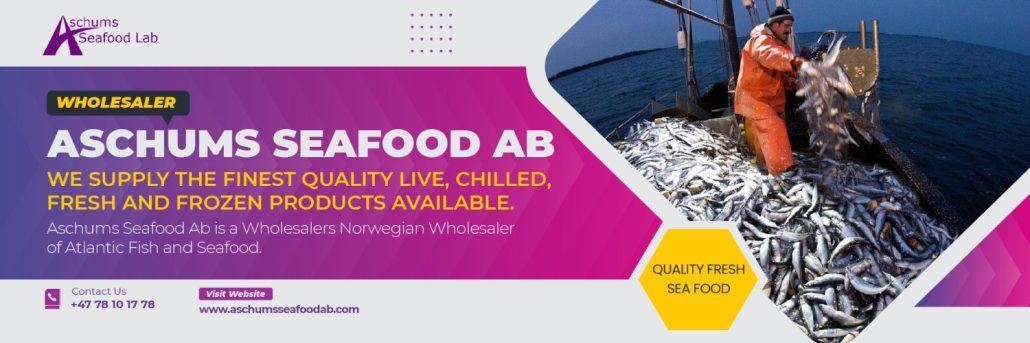
Aschums Seafood AB fits that model by focusing on premium Norwegian seafood for wholesale and export buyers who need more than a one-off deal. The value is in dependable sourcing, commercial product breadth, and seafood delivered with care for serious distribution channels.
For buyers evaluating European supply, the real question is not who can send fish. Many companies can do that. The better question is who can support your business with traceable origin, stable quality, export-ready handling, and a product mix that helps you sell. In seafood, the right exporter does more than fill a container. They protect your reputation after the shipment arrives.