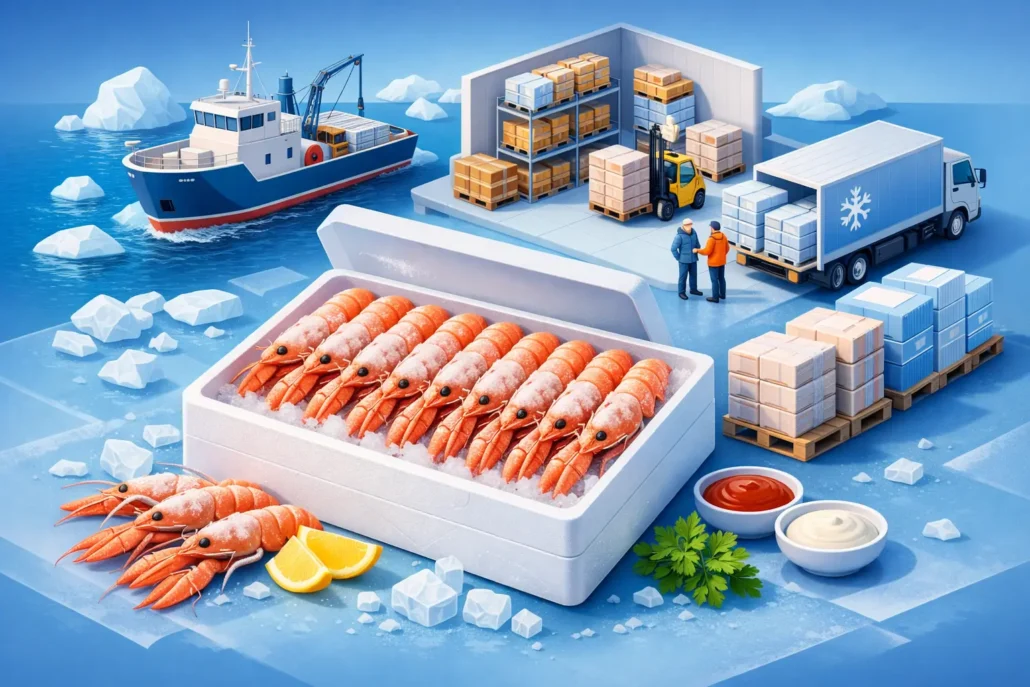


A missed container, inconsistent grading, or weak documentation can cost far more than a few cents per kilo. That is why knowing how to choose seafood exporter partners matters for every importer, distributor, and foodservice buyer working at commercial volume. The right exporter protects your margins, supports your specifications, and helps you keep your own customers supplied with confidence.
For seafood buyers, this is not just a sourcing decision. It is a risk decision. Price always matters, but price without consistency, traceability, and export discipline usually becomes expensive later through claims, delays, rejected shipments, or lost accounts. A dependable exporter should strengthen your supply chain, not add uncertainty to it.
How to choose seafood exporter suppliers for long-term supply
The strongest exporters are built around supply access, product control, and execution. If a supplier can only talk about low prices, that is a warning sign. Commercial seafood buying depends on what happens before packing, during processing, and after the shipment leaves origin.
A serious exporter should be able to explain where the seafood comes from, how it is handled, what forms are available, and how quality is maintained from sourcing to delivery. For Norwegian species in particular, buyers should expect clarity around catch origin, seasonality, grading, freezing method, storage, and packing standards. If those answers are vague, the partnership will likely be vague too.
Long-term value usually comes from exporters with stable relationships across fishermen, processors, cold storage, and logistics channels. That supply depth matters when markets tighten, weather shifts, or demand spikes around key retail and restaurant periods. A supplier with broad sourcing strength can often protect continuity better than one operating on opportunistic spot deals alone.
Start with product fit, not just company size
The first question is simple. Does this exporter actually handle the products you buy in the form you need?
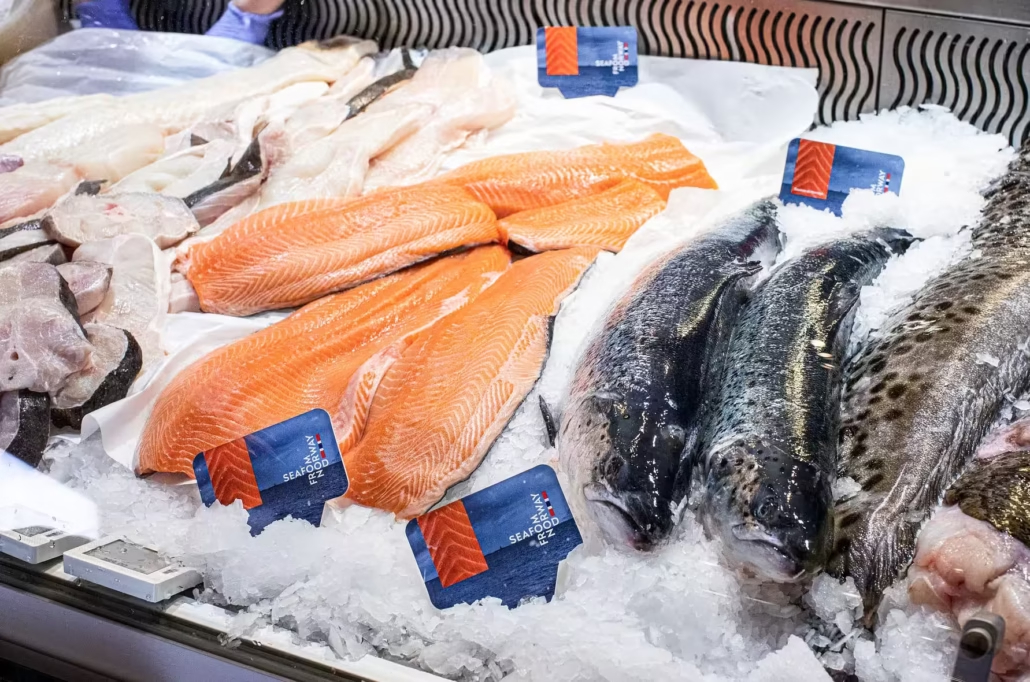
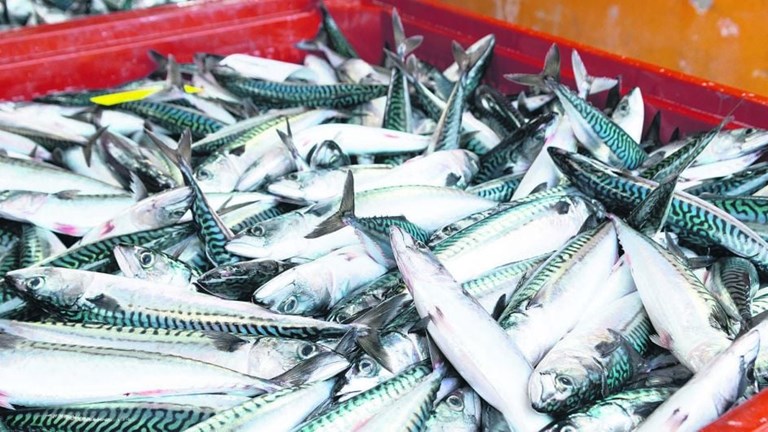
Some exporters are strong in frozen whole fish but weak in fresh fillets. Others may be excellent in smoked salmon, dried stockfish, or live shellfish but less reliable across mixed loads. A good commercial partner should match your real buying profile, whether that means Atlantic cod, haddock, salmon, mackerel, king crab, snow crab, langoustines, shrimp, cod roe, smoked items, or traditional dried products.
Product form matters as much as species. Fresh, frozen, live, smoked, and dried seafood all require different handling standards, shelf-life planning, transit timing, and documentation discipline. If your business needs multiple categories, ask whether the exporter can support mixed wholesale programs without weakening quality control. In many cases, a broad catalog is useful, but only if execution remains consistent across every line.
Check origin, traceability, and harvesting standards
When buyers ask how to choose seafood exporter companies, origin should be near the top of the list. Premium seafood is not only about taste and appearance. It is also about traceability, harvest standards, and confidence in the source.
For many international buyers, Norwegian seafood carries strong market value because origin signals cold-water quality, disciplined fisheries management, and dependable export practices. But origin claims should never stay at the marketing level. You should be able to verify species, production area when relevant, handling process, and the standards behind the product.
Traceability is especially important if you supply retail chains, premium restaurants, institutional foodservice, or specialty distributors. Your customers may ask for more than a simple invoice and packing list. They may want detailed product specifications, lot identification, shelf-life data, catch or farm information, and assurances tied to responsible sourcing. An exporter that treats traceability as a basic operating function is easier to build with over time.
choose seafood exporter companies
Sustainability also deserves a practical view. Buyers should look beyond broad claims and ask how the exporter approaches responsible harvesting and supplier selection. The answer does not need to be theatrical. It needs to be clear, specific, and commercially credible.
Quality control should be visible, not assumed
Good seafood exporters do not rely on general promises like premium quality or hand-picked products. They explain what quality means in operational terms.
That includes grading standards, glaze levels where applicable, temperature management, defect tolerance, packaging integrity, and inspection routines before shipment. For fresh and frozen products, buyers should ask how the exporter manages cold chain performance and what steps are in place to reduce temperature abuse, dehydration, or breakage in transit. For live products, survival rates and packing methods become central. For smoked and dried products, consistency in cure, moisture, texture, and packing protection can make or break resale performance.
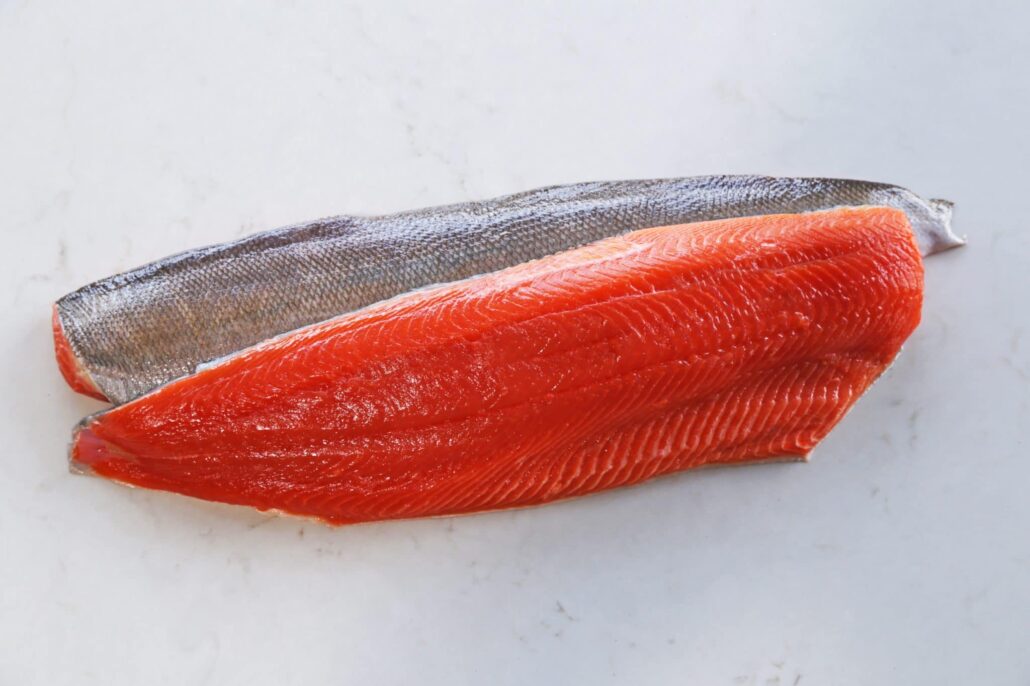
Photos and specifications help, but they are not enough on their own. A reliable exporter should be comfortable discussing exact commercial details such as sizes, net weight, count ranges, processing methods, and carton configuration. Serious buyers need suppliers who can speak the language of claims prevention.
Evaluate export readiness and logistics discipline
Seafood can be excellent at origin and still fail as a shipment. That is why export readiness matters as much as product quality.
A capable exporter should know the documentation required for your market and product category. That may include health certificates, invoices, packing lists, catch documents, customs data, labeling details, and any import-specific paperwork needed for smooth clearance. Errors here can delay release, increase storage costs, or in worst cases result in rejection.
Transit planning also deserves close attention. Fresh products need speed and precision. Frozen cargo needs stable cold chain management and realistic lead times. Live seafood requires very disciplined handling windows. Ask how the exporter schedules shipments, manages carrier coordination, and responds when delays occur.
Communication is part of logistics discipline. If a supplier becomes hard to reach once an order is booked, that is a serious issue. Commercial buyers need timely updates, not excuses after the fact. The best exporters are responsive before, during, and after shipment because they understand that your customer commitments do not pause while cargo is in transit.
Pricing is important, but structure matters more
Every buyer wants competitive wholesale pricing. But when comparing offers, the smarter question is what sits behind the number.
A low quote can hide weak grading, poor packing yield, inconsistent sizing, short shelf life, or freight assumptions that change later. A higher quote may actually be stronger if the product arrives cleaner, more uniform, and easier to sell. This is especially true for premium seafood categories where presentation, size consistency, and reduced claims directly affect margin.choose seafood exporter companies
Ask for clarity on pack sizes, minimum order volumes, Incoterms if relevant to your buying structure, lead times, and product substitutions. If an exporter is vague on those points, the pricing comparison is incomplete. Buyers should also discuss seasonality. Some products are naturally more volatile in availability and price, and a trustworthy exporter will say so directly rather than overpromise.
Look for a partner that understands your market
Not every exporter is equipped for B2B wholesale supply. Some are closer to traders. Others are product marketers with limited operational depth. The difference becomes obvious when you talk about your end market.
A strong exporter should understand whether your channel is retail, foodservice, distribution, or specialty resale. That affects pack format, species mix, shelf-life priorities, and margin expectations. A restaurant supplier may need different specifications than a frozen seafood distributor or an ethnic market wholesaler. The exporter should adapt to those realities instead of forcing one standard offer onto every account.
This is where export-focused companies stand out. They know that buyers need more than seafood for sale. They need predictable programs, responsive service, and products that arrive ready for commercial turnover. For example, a Norwegian supplier such as Aschums Seafood AB positions itself around wholesale export needs, broad species coverage, direct sourcing strength, and quality-controlled supply. That matters because commercial buyers benefit from partners built for volume, not casual transactions.
Test the relationship before scaling up
Even if the supplier looks strong on paper, start by testing how they handle details. Ask technical questions. Review specifications carefully. Check response times. If possible, begin with a manageable order size before building a larger program.
The goal is not to create friction. The goal is to see whether the exporter operates with discipline when expectations are clear. Reliable partners usually welcome informed buyers because clarity reduces mistakes on both sides.
Over time, the best exporter relationships become more efficient. Forecasting improves. Product planning gets easier. Claims become less frequent. Communication gets faster because both sides understand the standards. That kind of stability has real value in seafood, where supply conditions can change quickly and end customers rarely accept inconsistency.
Choosing the right exporter comes down to one practical question: when your reputation depends on the shipment, who do you trust to deliver it right? Pick the supplier that can prove origin, protect quality, manage export details, and support your business when market conditions are less than ideal. That is the partner worth keeping.