

When a buyer asks for snow crab, they are rarely asking for just one thing. They are asking for size consistency, shell quality, meat yield, glazing standards, carton integrity, and a supply partner that can ship on schedule without changing the spec after the order is placed. That is what makes snow crab bulk export a procurement decision, not a simple commodity purchase.
For importers, distributors, and foodservice suppliers, snow crab sits in a valuable part of the premium seafood category. It has strong menu recognition, broad retail appeal, and dependable movement across hospitality, wholesale, and specialty channels. But the margin in this category depends on details. A good buying program starts with origin, handling, freezing method, and clear export communication long before the shipment leaves Norway.
What buyers should expect from snow crab bulk export
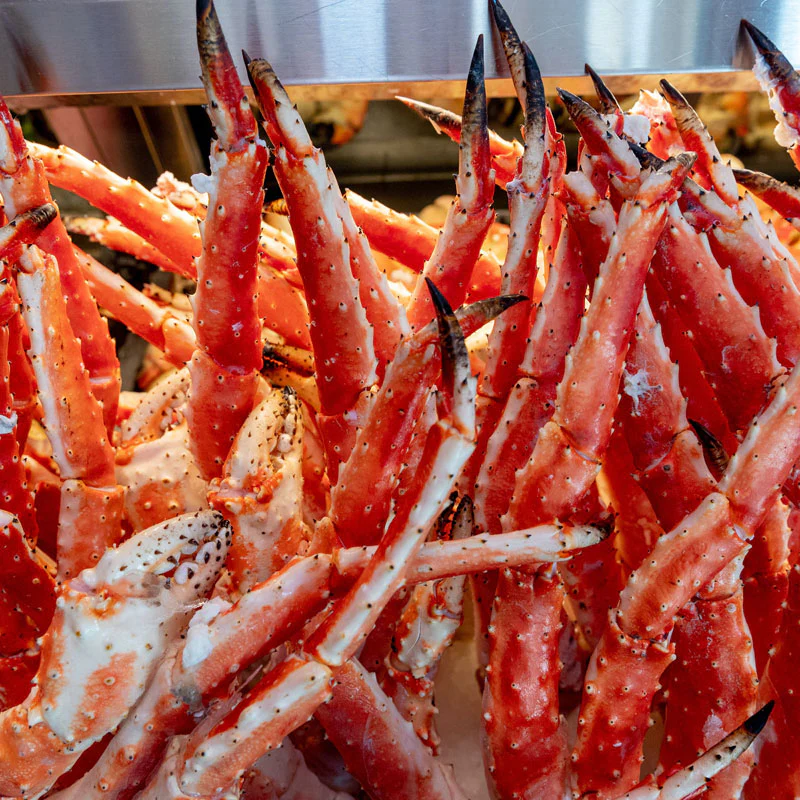
In wholesale trade, snow crab performs best when the product specification matches the destination market exactly. Some buyers need clusters for foodservice and hospitality. Others are looking for sections or retail-ready formats that fit supermarket seafood counters and frozen cabinet programs. The wrong format can create unnecessary labor, shrink, or slower turnover at the customer end.
That is why snow crab bulk export should never be treated as a generic line item. Serious buyers need precise information on grading, size range, pack style, processing method, and storage conditions. A supplier should be able to confirm whether the product is raw frozen or cooked frozen, how it was packed, and what tolerance applies to weight and glazing. If those answers are vague, the risk moves directly to the importer.
Reliable supply also matters as much as the product itself. Snow crab demand can be strong and pricing can shift with seasonality, catch volumes, and global freight conditions. Buyers who work with export-oriented suppliers are usually in a stronger position because they can plan allocations, container loads, and replenishment schedules with more confidence.
Why Norwegian origin matters in wholesale snow crab supply
Origin shapes perception in premium seafood, but it also affects practical buying outcomes. Norwegian seafood is well regarded because buyers associate it with cold-water quality, established harvesting standards, and disciplined processing. In snow crab, that can translate into cleaner presentation, better handling consistency, and stronger confidence at the point of resale.
For commercial buyers, the value of Norwegian origin is not only about branding. It is also about traceability and supply confidence. When seafood is sourced through trusted fishermen and processors with export experience, the buyer has a clearer path from catch to cold storage to shipment. That clarity helps reduce claims, avoid documentation issues, and support long-term purchasing decisions.
There is also a market-facing advantage. Restaurants, premium retailers, and specialty seafood distributors often want a product story that is easy to communicate. Snow crab from the cold, pristine waters of Norway carries weight in premium channels, especially when quality is consistent and the supply program is managed properly.
The product details that affect margin
In bulk seafood buying, small specification differences can change landed cost and resale performance more than many buyers expect. Snow crab is a strong example. A carton that looks competitive on price may not be competitive once meat fill, breakage, glaze percentage, and grading consistency are taken into account.
Size grading is one of the first points to confirm. Larger, more uniform clusters can support premium foodservice and retail pricing, while mixed sizing may suit value-driven wholesale channels. Neither approach is wrong. It depends on the customer base. What matters is alignment between the spec and the market.
Processing method is another key factor. Some buyers prefer cooked frozen products for convenience and faster downstream handling. Others may prefer different specifications based on their processing, repacking, or end-use requirements. The best option depends on how the product will be sold and who will handle it after import.
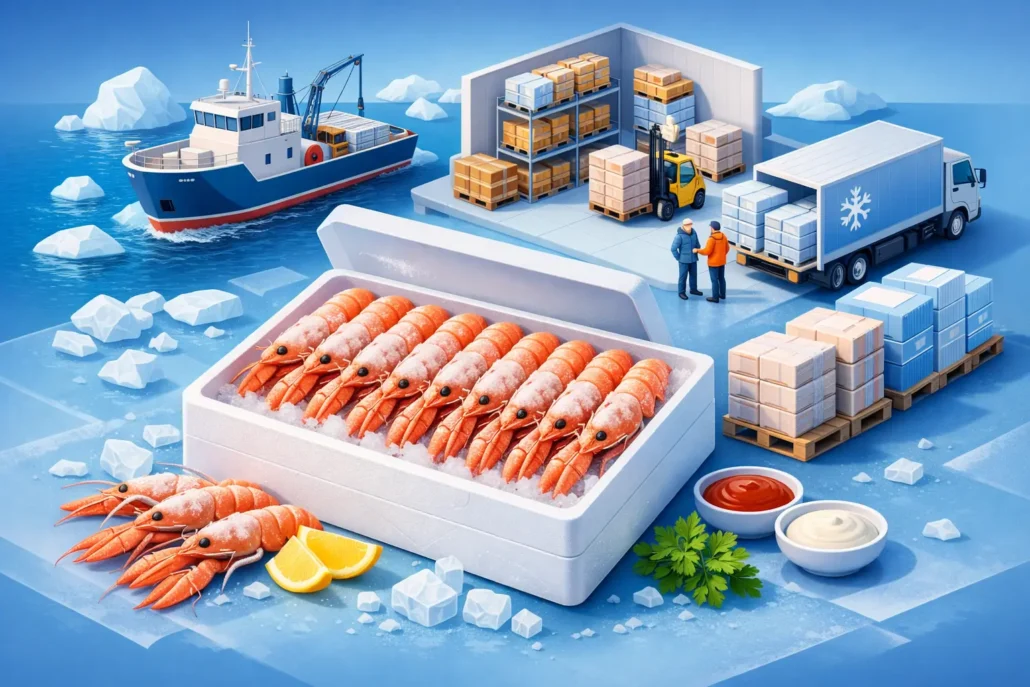
Packaging should also be reviewed carefully. Export-ready cartons need to protect product integrity through frozen storage and international transit. Commercial buyers should ask about master carton weights, palletization, labeling, and whether the format is designed for redistribution, foodservice delivery, or direct wholesale use. Good packaging protects product quality, but it also makes warehouse handling easier and reduces losses.
Managing risk in snow crab bulk export
Snow crab is a premium line, which means claims can be expensive. The safest buying relationships are built on clarity, not assumptions. A supplier should be ready to discuss specification sheets, loading conditions, frozen chain management, and expected lead times before the order is finalized.
Temperature control is non-negotiable. Frozen crab has to move through the export chain without breaks in cold storage discipline. If there is weakness at any point, quality can decline before the product even reaches destination. That risk is especially serious for buyers serving premium restaurant groups or retail accounts where appearance and texture matter.
Documentation is another area where experienced exporters stand apart. Commercial buyers need confidence that packing lists, health documentation, labeling details, and shipment information are handled correctly. Delays at destination can increase costs quickly, especially when frozen inventory is scheduled against customer commitments.
There is also the question of volume planning. Snow crab bulk export works best when buyers think in programs rather than isolated spot purchases. Spot deals can be useful, especially when markets are soft, but program buying usually provides better continuity and fewer supply gaps. If a buyer is building a regular sales channel for snow crab, consistency is usually worth more than chasing the lowest short-term quote.
Matching product format to your sales channel
A distributor selling into white-tablecloth restaurants has different needs than a wholesaler supplying ethnic retail, hotel groups, or frozen seafood chains. Snow crab can fit all of those channels, but not in the same specification.
For foodservice, buyers often prioritize visual presentation, plate value, and portion consistency. In those cases, better grading and stronger shell appearance may justify a higher purchase price. For retail distribution, carton efficiency, consumer-facing pack potential, and shelf performance may matter more. For secondary wholesale trade, competitiveness may come down to a balance between acceptable quality and reliable volume.
This is where a practical exporter adds value. The right partner does not simply offer snow crab for sale. They help commercial buyers source the specification that fits the intended market. That reduces friction after landing and makes the product easier to move through the chain.
What a dependable supplier relationship looks like
A dependable exporter is responsive, clear on specifications, and realistic about timing. That may sound basic, but in international seafood trade it is a real commercial advantage. Buyers do not need inflated promises. They need accurate product information, fair pricing, and honest communication about availability.
The strongest supplier relationships are built on repeat performance. Product quality should be stable from shipment to shipment. Origin claims should be supported by traceable sourcing. Export packing should arrive in market-ready condition. When those points are handled well, buyers can plan promotions, build distribution, and protect customer confidence.
For many international buyers, that is the real value behind working with a Norwegian wholesale exporter such as Aschums Seafood AB. The product matters, but so does the ability to source premium seafood through a partner that understands bulk supply, export documentation, and the demands of commercial resale.
Snow crab bulk export is strongest when the basics are done right
There is no shortcut around specification discipline in this category. Buyers who do well with snow crab usually focus on the basics – origin, grading, packing, cold chain control, and supplier reliability. Get those right, and snow crab can perform as a premium, repeatable product across retail, foodservice, and distribution channels.
The opportunity is clear, but so is the standard. In snow crab bulk export, buyers are not just purchasing frozen seafood. They are buying consistency they can resell with confidence. Choose the product format carefully, match it to the market, and work with a supplier that treats export quality as part of the product itself.