Buy Atlantic Salmon Near Me: How to Find Trusted Suppliers and Premium Quality Salmon

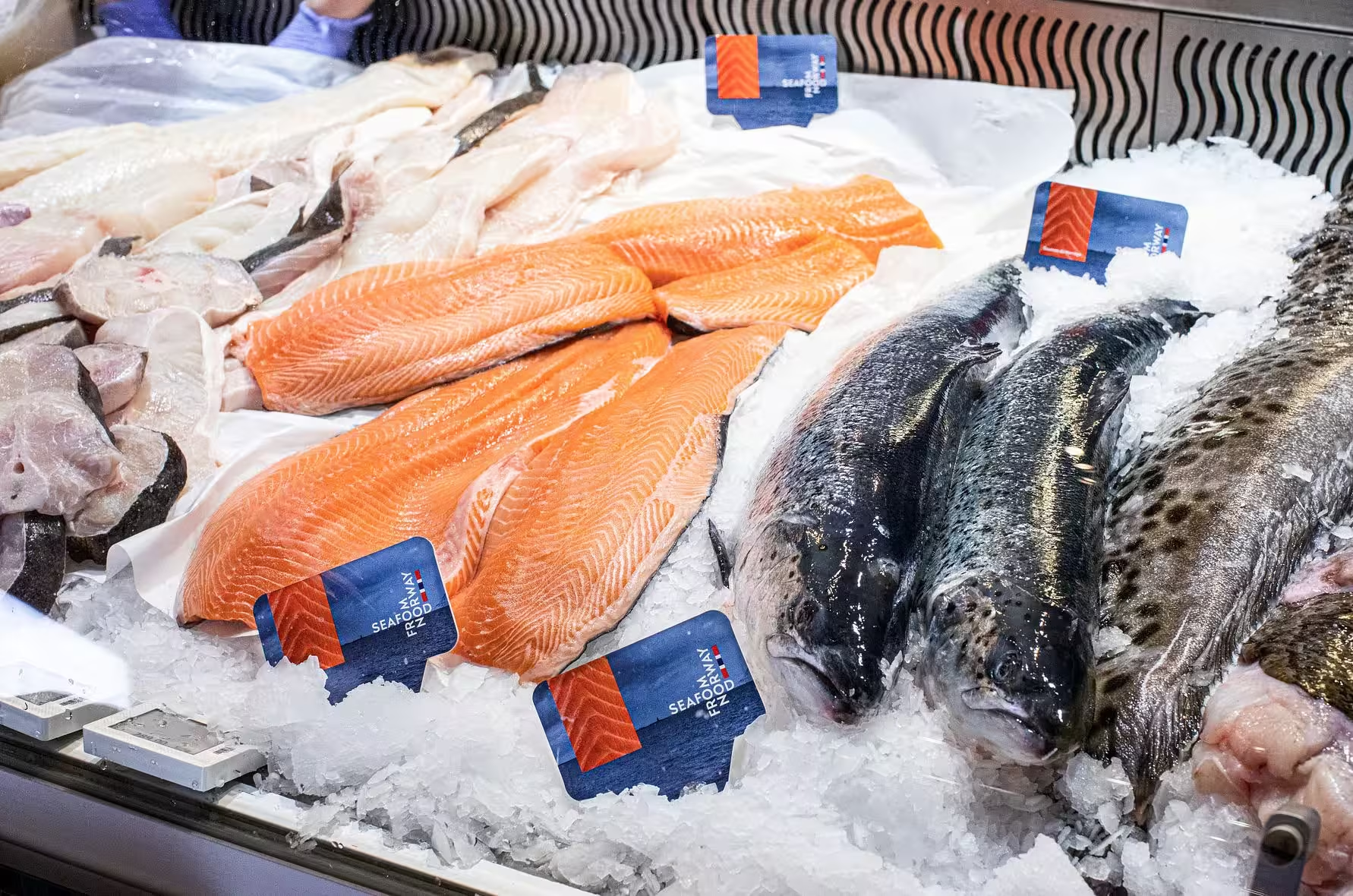
Buy Atlantic Salmon Near Me: How to Find Trusted Suppliers and Premium Quality Salmon
Buy Atlantic salmon near me
Finding a reliable Atlantic salmon supplier requires more than comparing prices. Buyers need consistent quality, dependable sourcing, competitive wholesale prices and reliable delivery. Whether you operate a restaurant, supermarket, seafood distribution company or importing business, choosing the right supplier protects your supply chain.
If you are searching for Buy Atlantic salmon near me, you should consider product freshness, processing standards, packaging and traceability. These factors influence salmon quality from sourcing to final delivery.
At Aschums Seafood AB, we understand the importance of reliable fresh and frozen seafood distribution. We focus on connecting commercial seafood buyers with quality products and dependable supply solutions.
This guide explains how to find trusted Atlantic salmon suppliers, evaluate product specifications and source premium salmon for commercial requirements.
Where Can You Buy Atlantic Salmon Near Me?
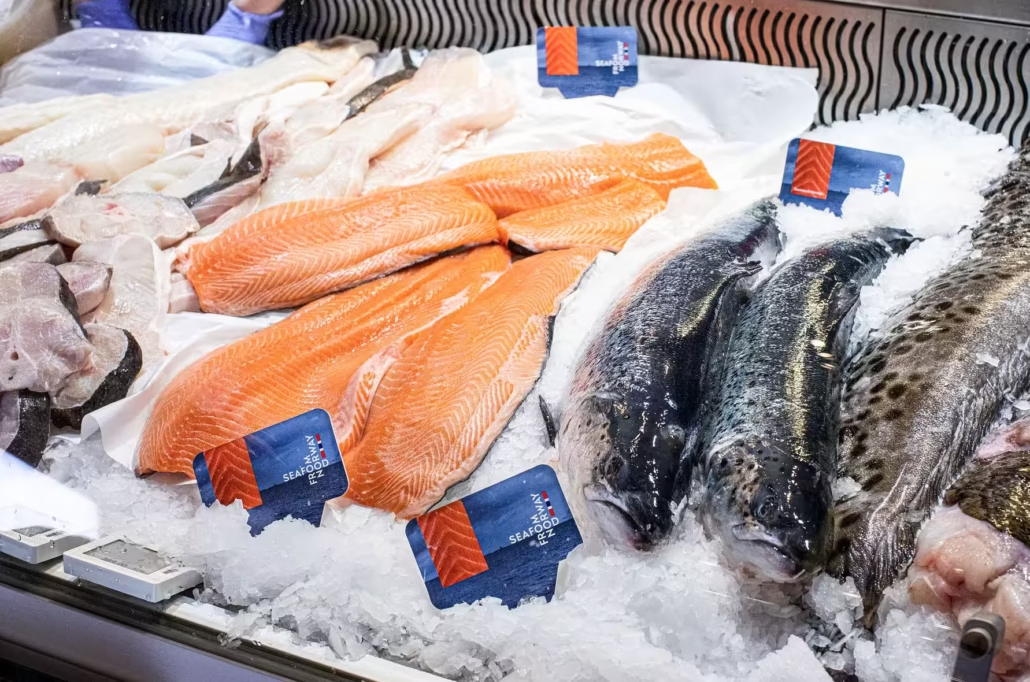
Buyers can source Atlantic salmon through seafood wholesalers, specialist distributors, fish markets, importers and established seafood exporters.
However, the right supplier depends on your purchasing requirements. Retail buyers may need smaller quantities, while commercial businesses often require regular bulk deliveries.
When searching for Atlantic Salmon for Sale Near Me, consider suppliers that offer:
- Fresh and frozen Atlantic salmon.
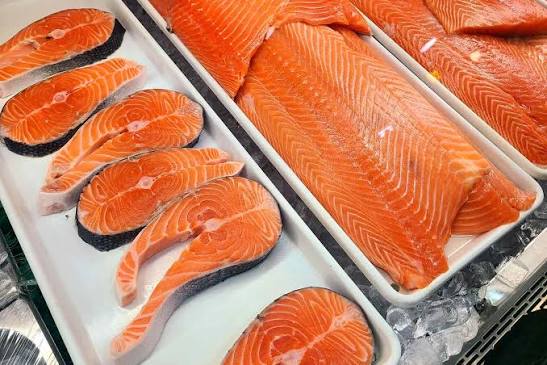
- Whole salmon and processed salmon portions.
- Wholesale salmon fillets.
- Competitive bulk purchasing options.
- Reliable packaging and transportation.
- Product specifications and traceability information.
- Export and import documentation.
- Consistent supply arrangements.
Furthermore, professional suppliers should communicate clearly about product origin, available sizes, processing methods and delivery schedules.
For international buyers, working with an experienced seafood exporter can simplify procurement. It also provides access to wider sourcing and distribution opportunities.
Why Atlantic Salmon Remains a Popular Seafood Choice
Atlantic salmon is one of the most commercially important seafood products worldwide. Its versatility makes it suitable for retail, restaurants, hotels and food manufacturing.
Moreover, its distinctive flavour and texture appeal to different consumer markets.
Commercial buyers value Atlantic salmon for several reasons.
Consistent Market Demand
Atlantic salmon enjoys strong demand across European, Asian, Middle Eastern and North American markets.
Restaurants use it in grilled dishes, sushi preparations and premium seafood menus. Meanwhile, supermarkets sell fresh fillets, frozen portions and whole fish.
Consequently, wholesalers and distributors can serve several market segments through one seafood category.
Versatile Product Applications
Atlantic salmon supports numerous processing and preparation requirements.
Common commercial formats include:
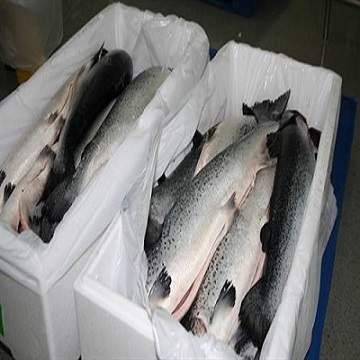
- Whole Atlantic salmon.
- Fresh salmon fillets.
- Frozen salmon fillets.
- Skin-on and skinless portions.
- Boneless salmon portions.
- Salmon steaks and cuts.
- Individually quick-frozen salmon portions.
These formats help buyers select products according to their customers’ preferences.
Suitable for Different Business Models
Atlantic salmon serves restaurants, supermarkets, seafood retailers and food manufacturers.
In addition, wholesalers can purchase larger volumes for redistribution. This makes it a valuable product for businesses seeking reliable seafood supply partnerships.
How to Find Reliable Atlantic Salmon Suppliers Near Me
Choosing a seafood supplier requires careful evaluation. A competitive quotation alone does not guarantee product quality.
Instead, assess the supplier’s sourcing practices, handling procedures and commercial reliability.
1. Verify the Supplier’s Business Credentials
Start by checking the supplier’s legal business information and commercial background.
A reliable supplier should provide verifiable company details. Furthermore, request relevant registration and food business information.
For international transactions, confirm the supplier’s export eligibility and applicable regulatory requirements.
You should also establish who handles product sourcing, processing and export arrangements.
2. Check Product Origin and Traceability
Product traceability helps buyers understand where their salmon originates.
A professional supplier should provide relevant product identification and sourcing information. This may include:
- Country of origin.
- Production or harvest information.
- Farm identification where applicable.
- Processing establishment.
- Batch or lot identification.
- Production and packing dates.
- Applicable health and inspection documents.
Furthermore, traceability supports product verification and supply-chain accountability.
For buyers importing Premium Norwegian Atlantic Salmon, origin information can help establish product identity and purchasing confidence.
However, always verify the actual origin of each shipment. Do not assume every Atlantic salmon product comes from Norway.
3. Evaluate Salmon Quality
Salmon quality directly influences customer satisfaction and business reputation.
Therefore, inspect product specifications before confirming an order.
For fresh salmon, evaluate:
- Natural appearance and colour.
- Firm flesh texture.
- Clean, fresh smell.
- Proper temperature control.
- Intact packaging.
- Appropriate shelf-life information.
For frozen salmon, inspect packaging integrity and storage conditions. Also confirm freezing specifications and product condition.
Importantly, buyers should request product photographs or samples when commercially practical.
4. Confirm Cold Chain Management
Temperature control remains essential throughout seafood transportation.
Atlantic salmon requires appropriate refrigerated or frozen conditions. Consequently, suppliers must manage handling, storage and transportation carefully.
A reliable cold chain helps protect product quality and food safety.
Ask suppliers about:
- Refrigerated storage facilities.
- Frozen storage conditions.
- Temperature monitoring.
- Transportation arrangements.
- Loading procedures.
- Temperature records where available.
Furthermore, verify that transportation arrangements match the product’s required storage conditions.
Poor temperature management can affect texture, appearance and product shelf life.
Fresh Atlantic Salmon for Sale: What Buyers Should Know
Fresh Atlantic salmon serves restaurants, hotels, supermarkets and specialist seafood retailers.
However, freshness depends on several factors beyond appearance.
Buyers should consider harvesting, processing, storage and transportation arrangements.
Fresh Salmon Product Specifications
Before purchasing, request detailed product specifications.
Important information includes:
- Product form: whole fish or fillets.
- Size and weight range.
- Skin-on or skinless options.
- Boneless or pin-bone status.
- Freshness and shelf-life information.
- Packaging format.
- Storage temperature.
- Delivery requirements.
Additionally, clarify whether the supplier offers chilled transportation.
Fresh Atlantic Salmon for Sale should always meet the buyer’s intended handling and distribution requirements.
Who Should Buy Fresh Atlantic Salmon?
Fresh salmon suits businesses that prioritize chilled seafood distribution.
Typical buyers include:
- Restaurants and hotel groups.
- Supermarket chains.
- Seafood retailers.
- Fishmongers.
- Catering companies.
- Foodservice distributors.
- Seafood wholesalers.
Nevertheless, confirm available quantities and delivery schedules before committing to recurring purchases.
Frozen Atlantic Salmon Supplier: Benefits for Wholesale Buyers
Frozen salmon offers commercial flexibility for businesses managing larger inventory requirements.
Unlike chilled products, frozen salmon supports longer storage under appropriate conditions.
Furthermore, it allows distributors to plan inventory around customer demand.
Advantages of Frozen Atlantic Salmon
1. Flexible inventory management
Frozen products allow businesses to maintain stock for planned distribution.
2. Wider distribution opportunities
Frozen transportation can support longer international supply routes.
3. Convenient portioning
Buyers can source fillets, portions and other processed formats.
4. Consistent product specifications
Commercial buyers can establish purchasing specifications for repeat orders.
5. Reduced immediate sales pressure
Appropriate frozen storage gives distributors greater flexibility when managing inventory.
However, frozen products still require strict temperature control. Buyers should also verify packaging, glazing and declared net weight.
Atlantic Salmon Wholesale Supplier: What Determines Pricing?
Wholesale salmon prices depend on several commercial and operational factors.
Therefore, buyers should compare quotations using consistent product specifications.
The main pricing factors include:
Product Origin
Origin can influence availability, logistics and market positioning.
Norwegian salmon, for example, serves several international seafood markets. However, buyers should verify the actual country of origin.
Product Size and Grading
Salmon size affects processing yields and commercial pricing.
Whole fish, fillets and individual portions also carry different processing requirements.
Fresh or Frozen Condition
Fresh and frozen salmon may have different handling, storage and transportation costs.
Consequently, compare quotations for identical product conditions.
Processing and Packaging
Additional processing can influence the final purchase price.
Examples include skinning, trimming, pin-boning, portioning and vacuum packaging.
Order Volume
Bulk purchases may provide different commercial pricing arrangements.
However, minimum order quantities depend on supplier availability, product specifications and shipping requirements.
For an accurate quotation, provide your preferred product form, size, quantity and destination.
Bulk Atlantic Salmon for Sale: Buying for Commercial Distribution
Businesses purchasing large quantities need suppliers that understand commercial seafood requirements.
Bulk Atlantic salmon purchasing supports wholesalers, importers, supermarkets and foodservice distributors.
Nevertheless, buyers should establish clear purchasing specifications before placing orders.
Important Bulk Purchasing Considerations
Order quantity: Confirm available volumes and minimum order requirements.
Product specifications: Define sizes, grading, processing and packaging.
Delivery schedule: Establish realistic dispatch and arrival expectations.
Storage capacity: Ensure your facilities support the required chilled or frozen conditions.
Documentation: Confirm the documents required for your destination market.
Payment arrangements: Agree on commercial terms before order confirmation.
Additionally, establish procedures for handling damaged packaging or product discrepancies.
A clear purchasing agreement helps reduce misunderstandings between suppliers and buyers.
Premium Norwegian Atlantic Salmon: Origin, Quality and Sustainability
Norway has an established position in the international salmon industry.
Its seafood sector operates within regulatory frameworks governing aquaculture, processing and food safety.
Premium Norwegian Atlantic Salmon attracts commercial buyers seeking identifiable origin and established production standards.
However, product quality depends on more than geographical origin.
Buyers should evaluate farming practices, processing conditions, transportation and traceability.
Sustainable Salmon Sourcing
Sustainability has become increasingly important in international seafood procurement.
Responsible sourcing considers environmental performance, fish health, feed management and production practices.
Buyers should request relevant sustainability information from their suppliers.
Where applicable, verify independent certifications such as ASC or GlobalG.A.P.
Also, check certificate validity, product scope and whether the actual supplier or production facility holds certification.
Importantly, never assume that every salmon product automatically carries a sustainability certification.
Traceability and Food Safety
Traceability supports accountability throughout the seafood supply chain.
Suppliers should maintain appropriate records connecting products with their production and processing information.
Furthermore, buyers should verify applicable food safety controls and inspection documentation.
These measures support responsible sourcing and help meet destination-market requirements.
Packaging Standards for Wholesale Salmon Distribution
Packaging protects salmon during storage, transportation and distribution.
Therefore, buyers should confirm packaging specifications before ordering.
Common commercial packaging options include:
- Vacuum-packed salmon portions.
- Individually quick-frozen fillets.
- Bulk frozen cartons.
- Food-grade inner packaging.
- Insulated packaging for chilled transportation.
Packaging requirements depend on product form and destination market.
Buyers should also verify carton dimensions, gross weight, net weight and glazing percentage.
For frozen products, clarify whether the declared weight includes glazing.
This distinction helps importers calculate actual usable product quantities.
Export Documentation and European Food Safety Standards
International seafood transactions require appropriate documentation.
The exact requirements depend on product origin, processing location and destination country.
For shipments entering the European Union, relevant requirements include applicable food safety, hygiene and official control regulations.
Depending on the shipment, documentation may include:
- Commercial invoice.
- Packing list.
- Certificate of origin.
- Official health certificate where required.
- Transport documentation.
- Catch or production information where applicable.
- Relevant inspection and traceability records.
Furthermore, buyers should confirm establishment approval requirements before shipment.
For EU imports, Regulation (EC) No 178/2002 establishes general food law principles. Regulation (EC) No 852/2004 addresses food hygiene.
Regulation (EC) No 853/2004 covers specific hygiene rules for food of animal origin.
Importers must also consider applicable national and destination-market requirements.
Working with experienced Atlantic Salmon Importers and Distributors can simplify documentation coordination.
Nevertheless, each importer remains responsible for verifying applicable import requirements.
Fresh and Frozen Salmon Distribution: Choosing the Right Supply Partner
A dependable distribution partner supports consistent product availability and commercial planning.
However, not every supplier offers the same capabilities.
Before entering a long-term agreement, assess the supplier’s ability to meet your purchasing requirements.
Look for suppliers that demonstrate:
- Transparent product specifications.
- Reliable sourcing arrangements.
- Appropriate temperature management.
- Clear communication.
- Accurate commercial documentation.
- Suitable packaging options.
- Consistent order coordination.
For wholesalers, these capabilities support better inventory management.
For retailers, they help maintain product availability and customer confidence.
Meanwhile, restaurants benefit from consistent product specifications and predictable deliveries.
Why Choose Aschums Seafood AB for Seafood Supply?
Aschums Seafood AB focuses on fresh and frozen seafood supply for commercial customers.
We understand that importers, wholesalers and distributors require more than competitive pricing.
They also need reliable communication, clear product specifications and practical export arrangements.
Our seafood supply approach focuses on commercial purchasing requirements.
We work with buyers seeking seafood products for wholesale, distribution, retail and foodservice markets.
Whether you require fresh seafood, frozen products or bulk purchasing arrangements, clear specifications help establish suitable supply options.
We encourage prospective buyers to discuss their requirements before requesting quotations.
This allows both parties to clarify product availability, quantities, packaging and delivery expectations.
How to Request an Atlantic Salmon Wholesale Quotation
Requesting an accurate quotation starts with providing complete purchasing information.
Instead of requesting a general salmon price, specify your exact requirements.
Include the following information:
- Product: Atlantic salmon, fillets or portions.
- Condition: Fresh or frozen.
- Size: Preferred weight or grading.
- Processing: Skin-on, skinless, boneless or whole fish.
- Quantity: Required kilograms or cartons.
- Packaging: Preferred carton or individual packaging.
- Destination: Delivery country and port.
- Shipping terms: Preferred Incoterms, such as FOB or CIF.
Furthermore, indicate whether you require a one-time shipment or regular supply.
This information helps suppliers evaluate availability and prepare relevant commercial offers.
For international buyers, confirm shipping schedules and documentation requirements before finalizing an order.
Frequently Asked Questions About Buying Atlantic Salmon
1. Where can I buy Atlantic salmon near me?
You can purchase Atlantic salmon from seafood wholesalers, fish markets, importers and specialist distributors. Compare product quality, origin, packaging and delivery arrangements before selecting a supplier.
2. Who are the best Atlantic salmon suppliers near me?
The best suppliers provide verifiable business details, consistent product specifications, traceability and reliable delivery arrangements. Always verify their credentials and product documentation.
3. Is fresh or frozen Atlantic salmon better?
Both options serve different commercial requirements. Fresh salmon suits chilled distribution, while frozen salmon offers greater inventory flexibility and longer storage under appropriate conditions.
4. Can I buy Atlantic salmon in bulk?
Yes. Seafood wholesalers and exporters can supply bulk quantities, depending on availability and purchasing specifications. Confirm minimum order quantities, product grading and packaging before ordering.
5. What is the difference between Norwegian and other Atlantic salmon?
The main distinction concerns production origin and associated farming or processing practices. Product quality also depends on handling, feed, processing and transportation.
6. How can I verify Atlantic salmon quality?
Check appearance, texture, smell, storage conditions and packaging integrity. Also request traceability information, product specifications and relevant food safety documentation.Buy Atlantic salmon near me
7. What documents do Atlantic salmon importers need?
Requirements depend on the destination market. Common documents include commercial invoices, packing lists, origin documentation and applicable official health certificates.
8. Does frozen Atlantic salmon require cold chain transportation?
Yes. Frozen salmon requires appropriate temperature-controlled storage and transportation. Maintaining the cold chain helps protect product quality and food safety.
9. Can restaurants purchase Atlantic salmon wholesale?
Yes. Restaurants can purchase salmon through seafood wholesalers, distributors and specialist suppliers. They should specify preferred cuts, quantities and delivery schedules.
10. How do I request an Atlantic salmon wholesale price?
Provide the product form, condition, size, quantity, packaging and destination. Suppliers can then prepare quotations based on your commercial requirements.
Conclusion: Find a Reliable Atlantic Salmon Supply Partner
Finding premium salmon requires careful supplier selection, product verification and dependable logistics.
Whether you need fresh fillets, frozen portions or bulk seafood supply, prioritize traceability, quality control and transparent commercial arrangements.
When searching for Buy Atlantic salmon near me, compare suppliers based on their ability to meet your specific purchasing requirements.
Aschums Seafood AB welcomes enquiries from importers, wholesalers, distributors, retailers and foodservice businesses seeking fresh and frozen seafood supply solutions.
Contact Aschums Seafood AB today to discuss your Atlantic salmon requirements and request a competitive wholesale quotation.