Choosing a Norwegian Seafood Wholesaler

A missed container window, inconsistent grading, or weak cold-chain handling can turn a profitable seafood program into a costly problem fast. That is why choosing a norwegian seafood wholesaler is not a branding exercise for importers and distributors – it is a supply decision that affects margins, customer confidence, and long-term account stability.
For commercial buyers, Norway remains one of the most reliable sourcing origins for premium Atlantic seafood. The waters are cold, the fishing heritage is established, and the export system is built around international trade. But origin alone is not enough. The real difference is whether your wholesale partner can supply the right species, the right specifications, and the right consistency across shipments.
What a norwegian seafood wholesaler should deliver
A serious wholesale partner does more than quote a price per kilo. Commercial seafood buying depends on continuity, product knowledge, and execution. If you are sourcing for retail, foodservice, or redistribution, you need a supplier that understands how your end market buys, stores, and sells seafood.
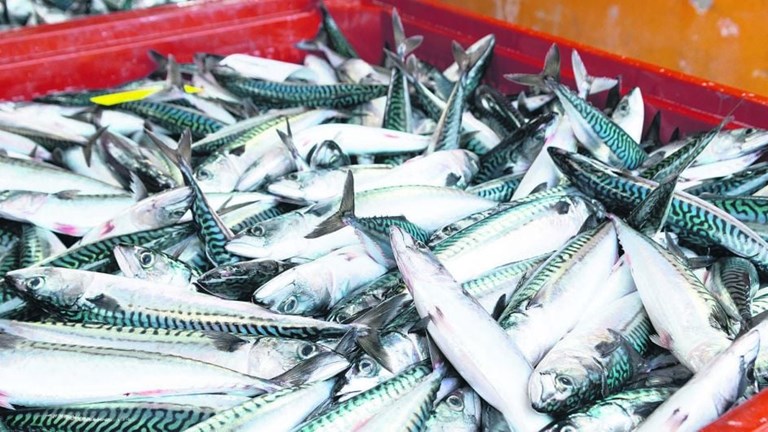
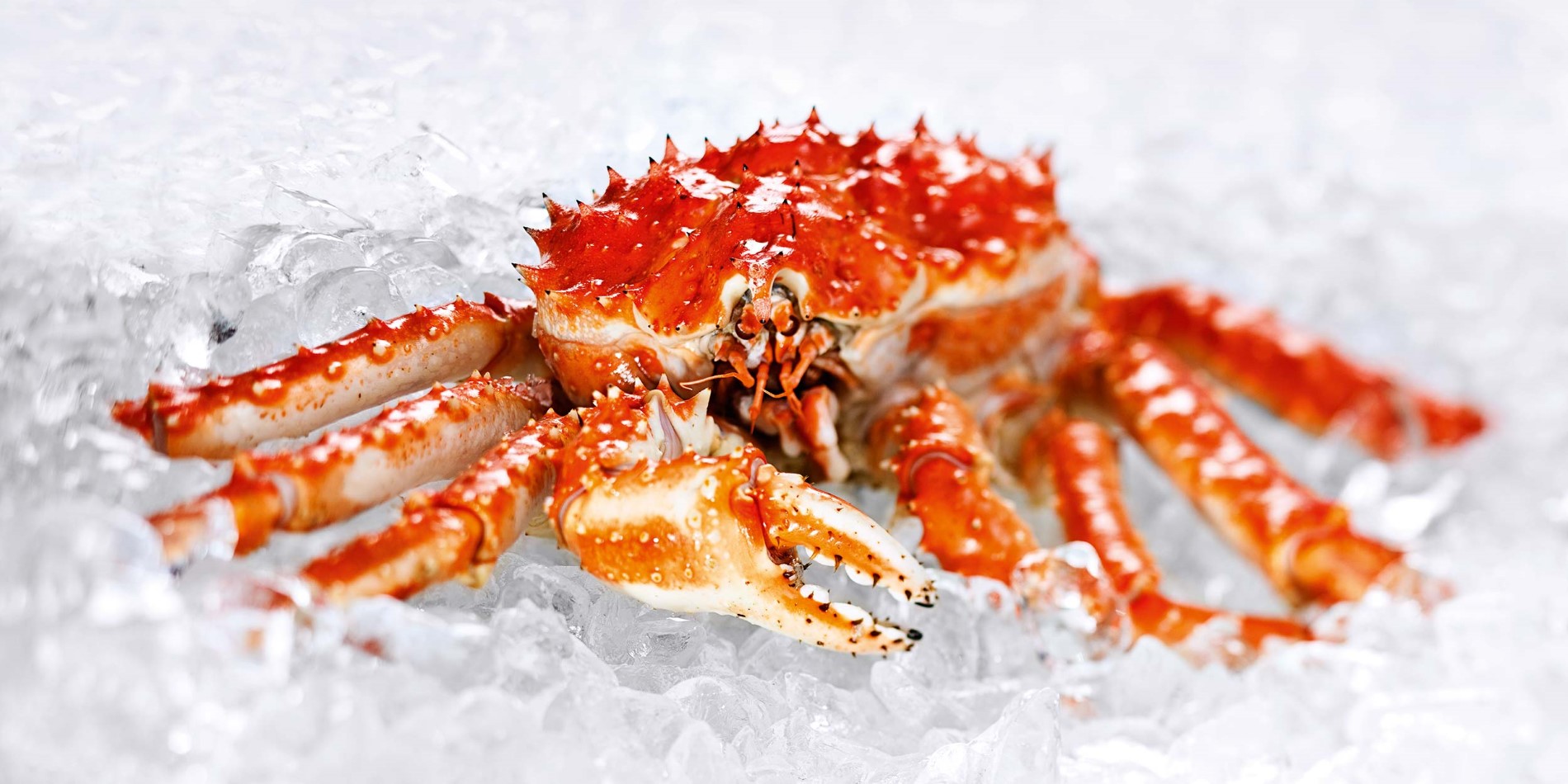
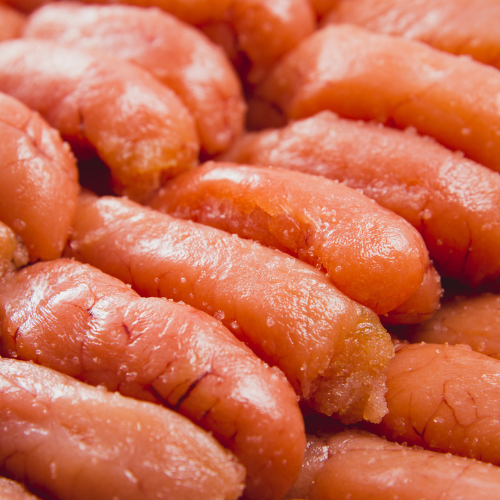
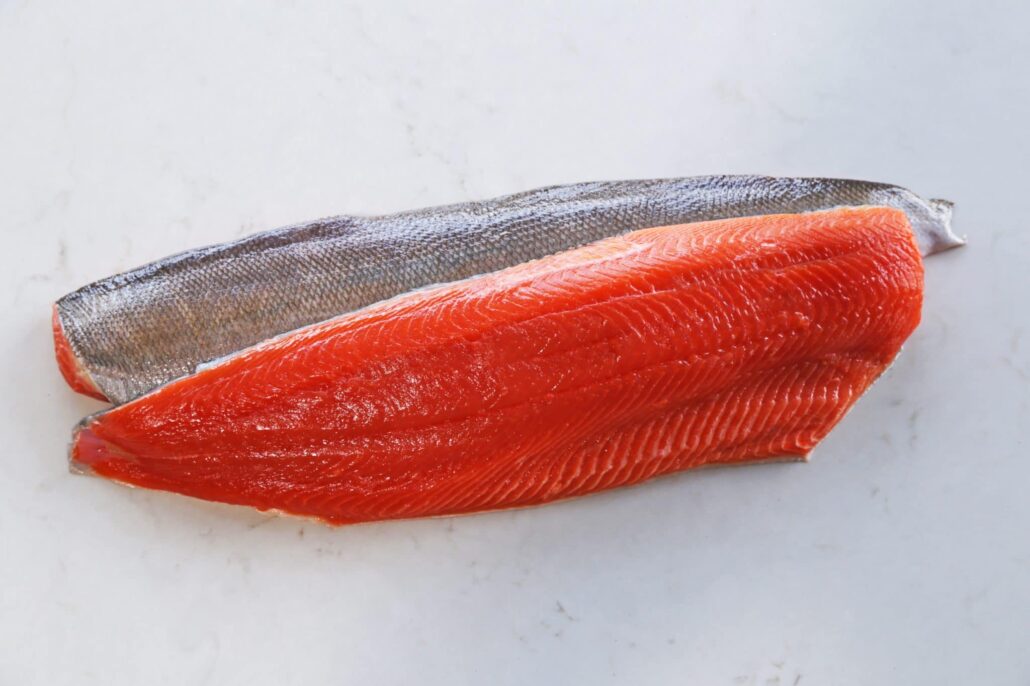
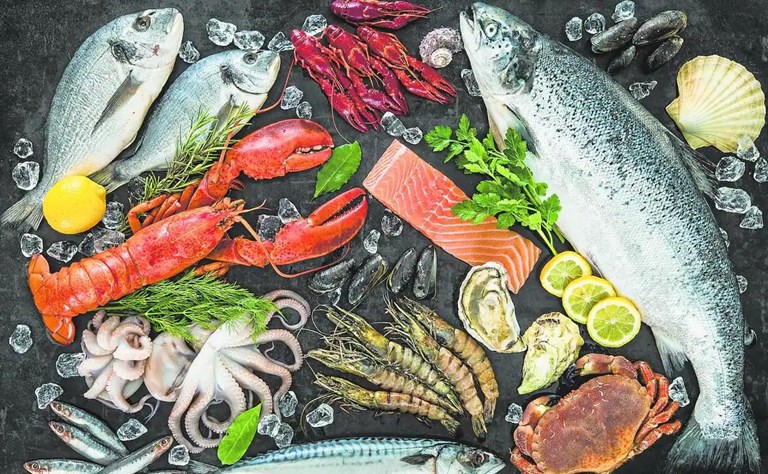
That starts with product breadth. A capable Norwegian seafood wholesaler should be able to support multiple categories across fresh, frozen, live, smoked, and dried formats. For many buyers, that means access to core species such as Atlantic salmon, cod, haddock, mackerel, shrimp, langoustines, king crab, snow crab, brown crab, cod roe, and traditional stockfish. A broad range matters because it allows you to consolidate sourcing, reduce supplier fragmentation, and build a more stable purchasing program.
It also means export readiness. Seafood can be exceptional at origin and still fail commercially if documentation, packing standards, or shipping coordination are weak. Buyers in the US and other international markets need a supplier that is prepared for wholesale volumes, understands export expectations, and can communicate clearly on product form, packing, lead times, and availability.
Why Norwegian origin still carries weight
In premium seafood, origin influences marketability as much as quality. Norwegian seafood has a strong reputation because buyers associate it with cold-water conditions, careful handling, and well-developed fisheries and aquaculture systems. That reputation helps at the wholesale level, especially when you serve customers who value traceability and country-of-origin positioning.
There is also a practical advantage. Norway offers dependable access to a wide mix of Atlantic species that perform well across retail and foodservice channels. Salmon and mackerel move on volume. Cod and haddock serve broad menu demand. Crab, langoustines, and roe support premium assortments. Stockfish and smoked products fill specialty and ethnic market needs. For a distributor, this variety creates room to build both high-turn commodity lines and higher-margin specialty programs from one source region.
That said, not every buyer needs the same mix. A restaurant supplier may prioritize fresh salmon portions, frozen shellfish, and smoked products. A specialty importer may be more focused on stockfish, roe, or whole mackerel. A strong wholesaler should be able to work within those realities rather than pushing a one-size-fits-all catalog.
Product range matters, but specifications matter more
Many suppliers can claim a wide assortment. Fewer can consistently match the specifications serious buyers require. In wholesale seafood, the details drive the transaction. Buyers are not just purchasing cod or salmon. They are buying size ranges, cut styles, glazing levels, packing formats, temperature integrity, and shelf-life expectations.
This is where experienced sourcing becomes visible. If you are buying frozen Atlantic cod fillets, you need confidence in trim quality, block or IQF format, net weight, and carton consistency. If you are buying king crab or snow crab, count, shell condition, and processing standards affect resale value immediately. If you are sourcing smoked salmon, slicing uniformity, fat content, and salt balance may matter as much as price.
A dependable wholesaler will discuss these points directly and early. That kind of conversation saves time and prevents mismatch between what is quoted and what arrives. It also helps you plan inventory against your customers’ real demand instead of generic product descriptions.
Freshness and quality control are not sales terms
Every seafood supplier says the product is fresh and premium. For commercial buyers, those words only matter when supported by handling discipline. Freshness is a chain of decisions – harvesting, onboard handling, grading, processing speed, packing, storage, and transit all contribute to the outcome.
The same applies to frozen products. Premium frozen seafood is not a lower-tier option when processed and stored correctly. For many importers, frozen is the smarter commercial choice because it gives better inventory control, broader market reach, and less waste. The trade-off is that freezing standards, glazing, and temperature management must be reliable.
Quality control should also extend across categories. Live shellfish requires a different logistics mindset than dried stockfish. Smoked products have different storage and presentation needs than fresh fillets. A wholesaler serving international B2B markets should know how those differences affect packing, documentation, and customer expectations.
Pricing matters, but so does margin protection
Procurement teams naturally compare suppliers on price. In seafood, that is necessary, but it is incomplete. A low quote can become expensive if yield is weak, specifications drift, or delivery timing creates shortages. Competitive wholesale pricing matters most when it comes with dependable quality and predictable fulfillment.
This is why direct access to trusted fishermen and suppliers can be a real commercial advantage. It can improve cost control, shorten the path between source and buyer, and support better visibility into availability. For importers and distributors, that often translates into stronger margin protection over time, not just a better quote on one shipment.
There are trade-offs, of course. The lowest-cost product is not always the best fit for a premium retail counter or white-tablecloth account. On the other hand, not every market needs top-end sizing or presentation. A practical wholesaler helps buyers align grade and format with the correct sales channel so value is built into the order.
How to assess a norwegian seafood wholesaler
The best conversations with suppliers are specific. Instead of asking whether a company can export seafood, ask what species they move regularly, what product forms they support, and how they manage wholesale packing for your market. If a supplier serves commercial buyers seriously, those answers should be straightforward.
Look closely at consistency across categories. A supplier offering salmon, cod, mackerel, shellfish, smoked items, roe, and dried fish may be well positioned for account growth if they can support repeat supply at a professional standard. This is especially useful for buyers that want one export-ready source for mixed containers or a broader annual purchasing relationship.
It also helps to assess communication quality. In wholesale trade, speed and clarity matter. When availability changes, sizes tighten, or shipment timing shifts, you need direct answers. A responsive partner reduces uncertainty and helps you make better buying decisions before small issues become expensive ones.
For many international buyers, Aschums Seafood AB fits this model by combining premium Norwegian sourcing with a broad export-focused catalog and practical wholesale support across fresh, frozen, live, smoked, and dried seafood categories.
Why category depth supports growth
A wholesaler with real category depth can help buyers do more than fill a purchase order. They can support assortment strategy. If you currently bring in salmon and cod, adding mackerel, shellfish, roe, or stockfish from the same origin can strengthen your position with retailers, foodservice accounts, and specialty customers.
This matters most in markets where buyers want both consistency and differentiation. Cod and salmon create volume. Crab, langoustines, smoked seafood, and traditional dried products create distinction. When those products come from the same dependable Norwegian source base, the story becomes easier to sell and the supply chain becomes easier to manage.
There is also an operational benefit. Fewer supplier relationships can mean simpler forecasting, fewer quality variables, and more leverage in planning shipments. That does not mean every product should come from one source. It means a good wholesaler should earn a bigger share of your program by proving reliability across categories.
A practical standard for buyers
If you are evaluating suppliers, keep the standard simple. A norwegian seafood wholesaler should offer credible origin, commercial-grade quality control, export-ready execution, competitive pricing, and a product range that fits real wholesale demand. Just as important, they should understand that your business is built on repeatable supply, not one-off transactions.
The right partner helps you buy with more confidence because they know the difference between selling seafood and supplying a market. When the product is hand-picked, delivered with care, and backed by dependable Norwegian sourcing, you are in a better position to serve your own customers without compromise.
The best wholesale relationships are built quietly – through clean shipments, honest communication, and product that performs exactly the way it should when it reaches your market.