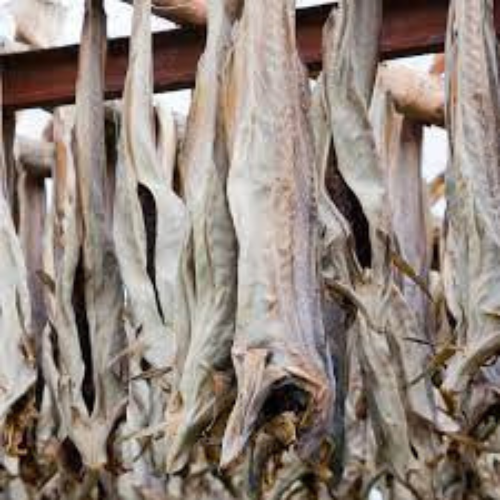
How to Buy Stockfish Wholesale


If you are figuring out how to buy stockfish wholesale, the biggest mistake is treating it like a simple dried fish purchase. In bulk trade, stockfish is a specification-driven product. Size, drying quality, origin, cut, moisture condition, packing, and export handling all affect resale value, shelf performance, and customer acceptance.
For importers, distributors, and foodservice suppliers, buying well starts long before the first shipment leaves Norway. You need a supplier that can deliver consistent grading, clear product details, and export-ready documentation. Price matters, but margins are usually won or lost on quality consistency and how few surprises arrive with the cargo.
How to buy stockfish wholesale without costly mistakes
The first step is to define exactly what your market wants. Some buyers need whole stockfish for traditional retail channels. Others need specific sizes, heads on or off, or product suited for ethnic markets with established preparation preferences. If you buy too broadly, you may secure a low unit price but end up with slow-moving inventory.
That is why professional buying starts with specification, not negotiation. Before asking for a quote, be clear on species, typical size range, preferred grade, packing format, expected order volume, and destination market. A supplier can only quote accurately when the commercial brief is precise.
Origin also matters. Norwegian stockfish holds strong market value because buyers associate it with cold-water raw material, traditional drying methods, and dependable quality standards. For many wholesale customers, especially in premium and heritage-driven markets, Norwegian origin is not just a label. It is part of the selling proposition.
Start with the product specification
Stockfish is not a one-line commodity. Even when two offers look similar on paper, the underlying quality can differ in ways that affect your resale business. Ask for a full product specification that covers species, drying process, grade, approximate piece count per carton or bundle, net weight, and packing method.
You should also confirm whether the product is intended for retail repacking, wholesale redistribution, or direct foodservice use. A distributor serving specialty retailers may need a more uniform visual presentation. A processor may care more about yield and consistency after rehydration. The right stockfish for one channel is not always the right stockfish for another.
It is also smart to ask how the stockfish has been sorted. Hand-sorted lots often support better consistency than mixed-grade shipments. If your customers buy on appearance as much as tradition, this point matters.
Key quality details to confirm
Ask direct questions about color, dryness, smell, breakage, and visible defects. Premium stockfish should present as properly dried, clean, and well handled. Excessive breakage, uneven drying, or poor sorting can reduce the value of the shipment fast, especially if you plan to supply demanding wholesale or retail accounts.
Packaging is another practical issue. Strong export packaging protects the fish during long transit and repeated handling. If the product is crossing multiple ports or warehouses, weak packing can turn an otherwise good purchase into a claims problem.
Evaluate the supplier, not just the price
A low quote does not tell you much by itself. In wholesale seafood, supplier reliability is often more valuable than a small price advantage. If a seller cannot maintain grade consistency, communicate clearly, or prepare export documentation correctly, the apparent savings disappear quickly.
When reviewing suppliers, look for a business that is clearly structured for B2B export. That means they understand bulk orders, commercial packing, lead times, shipping coordination, and buyer specifications. A supplier serving international wholesale markets should be able to discuss product details without vague language and give realistic answers on availability.
You should also pay attention to sourcing strength. Stockfish depends on raw material quality and proper handling from the start. Suppliers with dependable access to trusted fishermen and processors are usually better positioned to deliver steady quality across repeat orders.
For many buyers, this is where a specialized Norwegian exporter such as Aschums Seafood AB fits the requirement well – the value is not only product access but also the combination of origin credibility, wholesale focus, and export readiness.
Ask for samples when practical
For a new supplier relationship, samples can help reduce risk. In some cases, a physical sample is worth the cost because it lets you verify appearance and quality before committing to volume. If samples are not practical, ask for current product photos, packing photos, and lot-specific details.
A sample will not guarantee every shipment is perfect, but it gives you a reference point. The important part is matching future deliveries to the approved commercial standard.
Understand pricing and what drives it
If you want to know how to buy stockfish wholesale profitably, learn what sits behind the quote. Price is shaped by raw material availability, grade, size selection, drying quality, packing, seasonality, and shipment volume. Freight terms can also shift the landed cost significantly depending on destination and order size.
Cheaper product is not always cheaper after arrival. Lower grades can mean higher breakage, weaker presentation, and more customer complaints. On the other hand, paying for premium grade only makes sense if your end market will reward that quality level. This is where disciplined buying protects margin.
Request a quotation that states product specification, unit basis, minimum order quantity, packing details, payment terms, and shipping terms. If any of those pieces are unclear, you do not yet have a real price comparison.
It also helps to ask whether the quote is for a one-time spot order or part of a repeat supply arrangement. A long-term wholesale relationship can offer better planning and more stable supply than buying opportunistically each time stock gets tight.
Plan the logistics before you place the order
Stockfish is shelf-stable compared with fresh seafood, but international trade still requires careful handling. Transit conditions, port timing, customs documentation, and warehouse readiness all affect the final outcome. A good buying process includes logistics planning from the start, not after the invoice is issued.
Confirm lead time, available shipping mode, export documents, carton dimensions, gross shipment weight, and palletization. If you are importing into the US or another regulated market, make sure the supplier can support the documentation your customs broker and authorities require.
It is also worth checking how the product should be stored after arrival. Even dried fish needs appropriate warehousing to preserve quality. If your downstream buyers expect premium product, careless storage can undermine the value of the shipment after it reaches your side.
Keep your internal team aligned
Procurement, logistics, sales, and warehouse teams should work from the same specification. Many wholesale issues happen because one department buys by price while another sells by premium grade language. When the shipment arrives, the mismatch becomes obvious.
A clean purchase process includes the approved spec, expected arrival window, packaging details, and intended sales channel. That alignment reduces internal friction and helps your team move stock faster.
Build for repeat business, not one shipment
The best wholesale stockfish buying strategy is repeatable. Once you find a supplier that delivers the right grade, clear communication, and reliable export support, consistency becomes part of your margin strategy. Your customers begin to trust the product, and reordering becomes easier.
That does not mean every order should be identical. It means your commercial standard should be stable. You can adjust sizes, volumes, or packing formats as market demand changes, but the baseline quality and supplier performance should stay dependable.
When discussing future orders, be honest about your sales pattern. If you are building a new market, start with manageable volume and expand as demand proves out. If you already have committed buyers, discuss scheduled supply so the supplier can plan inventory and packing accordingly. Wholesale relationships work better when both sides can forecast with some confidence.
What experienced buyers pay attention to
Experienced importers rarely buy stockfish based on a product name alone. They buy a defined commercial outcome. They want fish that matches the target market, arrives in sound condition, clears import processes smoothly, and supports resale at the right margin.
That is why the smartest question is not simply how to buy stockfish wholesale. It is how to buy the right stockfish wholesale, from the right origin, with the right documentation and the right supplier backing the order. When those pieces line up, stockfish becomes a strong, stable product category rather than a risky specialty item.
A careful first order usually tells you almost everything you need to know. If the specification is accurate, the packing is strong, the shipment is handled properly, and the product sells through as expected, you are not just buying fish. You are building a supply line your business can rely on.