What Is Norwegian Stockfish?


A buyer looking at dried cod from different origins will notice very quickly that not all products perform the same. Texture, yield, aroma, size consistency, and handling standards can vary widely. That is why the question what is Norwegian stockfish matters in wholesale trade. It is not simply dried fish. It is a traditional Norwegian product made from premium cod, naturally air-dried in cold, clean coastal conditions and valued worldwide for its quality, shelf stability, and market reputation.
What is Norwegian stockfish?
Norwegian stockfish is whole fish, usually Atlantic cod, that has been headed, gutted, and hung to dry naturally in open air without salt. The process depends on the specific climate found along the Norwegian coast, where cool temperatures, clean air, and steady seasonal conditions allow the fish to dry slowly and evenly.
This is the key distinction. Stockfish is not salted dried cod, and it is not a heavily processed shelf product. It is a clean, traditional dried seafood item with a concentrated flavor, long storage life, and strong demand in established import markets. For commercial buyers, that combination makes it attractive for retail, foodservice, ethnic distribution, and specialty seafood channels.
How Norwegian stockfish is made
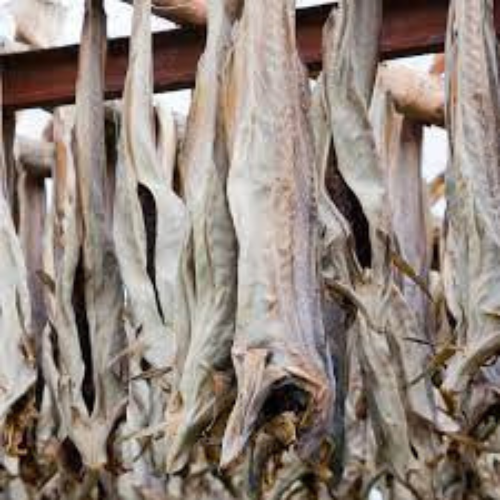
The production method is straightforward, but quality depends on discipline at every stage. Fresh cod is selected during the main fishing season, when raw material quality is at its peak. The fish is cleaned and prepared soon after landing, then tied in pairs and hung on wooden drying racks outdoors.
Over several weeks and, in some cases, months, the fish loses most of its water content through natural air drying. No artificial preservatives are needed. No salt is added in traditional stockfish production. The result is a firm, dry product with low moisture, concentrated protein, and a distinctly premium profile.
For serious buyers, the words natural drying can sound simple, but the execution is not. Raw material selection, weather timing, handling, drying control, and sorting all affect the final grade. A strong stockfish supplier is not just selling fish that has dried. They are supplying a product that has been processed under the right coastal conditions, with careful grading for export.
Why Norway is known for stockfish
Norway has produced stockfish for centuries, and that history still matters in today’s market. The country’s northern coastal climate is particularly suited to air drying cod. Cold temperatures reduce spoilage risk during the drying period, while wind and seasonal patterns support gradual dehydration.
Origin also carries commercial value. Norwegian seafood already has a strong reputation in international trade for clean waters, responsible fisheries, and reliable quality control. In the case of stockfish, that origin story is not just marketing. It directly supports product identity, buyer confidence, and premium positioning.
What fish is used in Norwegian stockfish?
The classic raw material is Atlantic cod, especially Northeast Arctic cod, which is known for its size, flesh quality, and strong market recognition. This species is highly valued because it delivers the structure and drying performance that stockfish production requires.
Some buyers use the term stockfish broadly, but in premium trade, species matters. Cod-based stockfish remains the benchmark. Buyers serving demanding retail or restaurant customers will usually prioritize cod for its traditional profile, quality perception, and established end-market demand.
That said, specifications can vary by market. Some customers focus on fish size and appearance, while others care more about rehydration performance or portion yield after processing. The right supply partner should be able to discuss those details clearly rather than treating stockfish as a one-size-fits-all commodity.
What does Norwegian stockfish look and taste like?
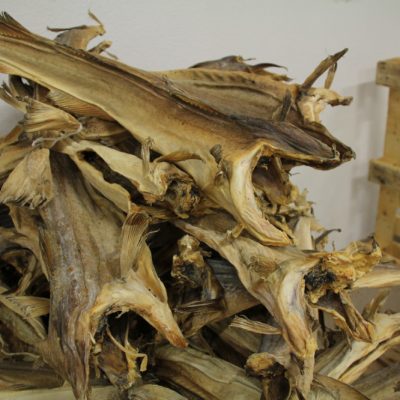
In its dried form, Norwegian stockfish is hard, lightweight relative to fresh fish, and pale to golden in color depending on grade and handling. It has a clean, concentrated fish aroma, but high-quality stockfish should not smell rancid, sour, or dirty. Appearance matters, especially for importers supplying premium ethnic or specialty markets where buyers know the category well.
Once rehydrated and prepared, the fish develops a firm but delicate texture and a deep cod flavor that is more concentrated than fresh fish. That intensity is one reason stockfish has remained relevant for generations. It offers culinary character, long shelf life, and flexibility across traditional and modern recipes.
There is a trade-off, however. Stockfish is not a convenience product in the same way as frozen fillets or portions. It often requires soaking, planning, and informed preparation. For the right market, that is part of its appeal. For the wrong market, it can limit turnover. Buyers need to match the product with customers who understand its use and value.
Norwegian stockfish vs. salt cod
This is one of the most important distinctions in export discussions. Norwegian stockfish is air-dried without salt. Salt cod, often called bacalao or clipfish depending on style and market, is preserved with salt and drying. The products are related, but they are not interchangeable.
Stockfish generally has a purer dried cod profile because salt is not part of the preservation process. Salt cod offers a different flavor, different handling requirements, and often a different buyer base. In some markets, the distinction is obvious and non-negotiable. In others, buyers may use the terms loosely, which can create confusion at the ordering stage.
For wholesalers and importers, precise terminology matters. Product type affects labeling, customer expectations, culinary use, storage approach, and price position. If a supplier cannot explain the difference clearly, that is usually a sign to ask more questions about product expertise.
Why buyers value Norwegian stockfish
The strongest reason is consistency from a premium origin. Norwegian stockfish combines traditional production with the commercial advantages buyers care about most: recognizable source, stable dry format, long shelf life, and strong resale potential in specialized channels.
It also supports margin in the right segments. Specialty seafood retailers, ethnic food markets, import distributors, and selected restaurant suppliers often serve customers who specifically ask for Norwegian stockfish, not just generic dried fish. That origin-specific demand can justify a higher price point when product quality is evident.
There is also a logistics advantage. Compared with fresh seafood, stockfish is easier to store and ship over long distances, provided export packaging and handling are done properly. It does not replace fresh or frozen categories, but it fills a different role in a diversified seafood program.
What wholesale buyers should check
When sourcing stockfish in bulk, buyers should look beyond the product name. Species, fish size, drying quality, uniformity, breakage rate, moisture control, packing standard, and export documentation all matter. If the product is headed to a premium retail or foodservice customer, visual grading becomes even more important.
Supply consistency is another practical issue. Stockfish is a traditional and seasonal product, so availability and grade mix can shift depending on catch conditions and production results. Serious buyers benefit from working with suppliers that understand planning, communication, and export readiness rather than just spot-selling what is available.
A dependable Norwegian exporter should also be able to align product specifications with your market. Some buyers need large whole fish for traditional resale. Others need specific counts, grading, or packaging for distribution efficiency. Commercial value is created when the supplier understands those downstream needs.
Where Norwegian stockfish fits in the market
Norwegian stockfish performs best where tradition, origin, and product knowledge drive purchasing decisions. This includes importers serving Mediterranean, African, and specialty European food channels, as well as selected US distributors selling to ethnic retailers and chefs who work with classic dried seafood ingredients.
It is not usually a mass-market item, and that is part of its strength. Stockfish belongs in premium or culturally established channels where buyers and end users recognize the difference between high-grade Norwegian product and lower-value dried fish alternatives. In those channels, quality credibility matters more than volume alone.
For companies building a broader Norwegian seafood portfolio, stockfish can also add range and differentiation. Alongside fresh, frozen, smoked, and live products, it gives buyers access to a category with heritage, shelf stability, and a distinct market identity.
What is Norwegian stockfish worth to a serious buyer?
Its value comes down to fit. If your customer base wants a low-cost dried fish product with minimal concern for origin, premium Norwegian stockfish may be more than the market needs. But if your business serves customers who care about authenticity, grade, and dependable supply, it can be a strong category with lasting demand.
That is why experienced buyers do not treat stockfish as an afterthought. They evaluate it like any other premium seafood line – by source, handling, consistency, and supplier credibility. At Aschums Seafood AB, that commercial reality is clear: buyers are not just purchasing dried cod, they are securing a Norwegian product with recognized value in export markets.
For the right importer or distributor, Norwegian stockfish is more than a traditional item on a price list. It is a product with history, practical shelf advantages, and real sales potential when quality and market match are handled properly.