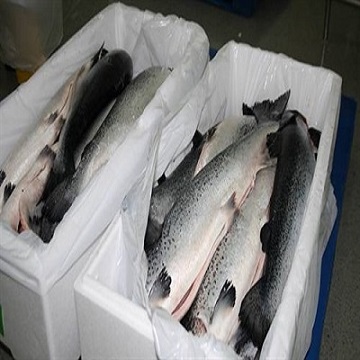


Bulk Salmon Sourcing Guide: How Procurement Teams Can Build a Reliable Global Supply Chain
Missed delivery windows, inconsistent product specifications, and incomplete export documentation create risks that extend far beyond a single seafood shipment. They disrupt retail promotions, restaurant operations, production schedules, and customer commitments across international markets. This bulk salmon sourcing guide is designed for procurement professionals who want to reduce those risks while building dependable supplier relationships.
As global seafood demand continues to grow, buyers face increasing pressure to secure premium salmon through reliable supply chains rather than opportunistic purchasing. Whether sourcing for supermarkets, foodservice, wholesale distribution, or seafood processing, selecting the right supplier requires careful evaluation of production capabilities, quality systems, export expertise, and logistics performance.
A practical bulk salmon sourcing guide focuses on supplier reliability before pricing. Procurement managers who consistently achieve stable inventory levels understand that the strongest partnerships are built on transparency, traceability, predictable production, and responsive communication. Those factors help protect both operational performance and long-term profitability.
Bulk Salmon Sourcing Guide: What a Professional Seafood Supplier Should Actually Deliver
A supplier’s responsibilities begin long before a shipment leaves the processing facility. Every stage of production influences product quality, export compliance, and delivery reliability.
Successful seafood procurement starts with responsible sourcing. An experienced fresh Salmon supplier maintains established relationships with certified aquaculture producers and harvest operations that consistently meet international food safety standards. Stable sourcing allows buyers to plan purchasing schedules with greater confidence.
Processing standards deserve equal attention. Modern seafood facilities apply strict hygiene controls, automated grading systems, temperature monitoring, and continuous quality inspections throughout production. These procedures help ensure consistent fillet sizes, appearance, texture, and packaging across every shipment.
Export management represents another essential capability. Professional Salmon exporters prepare commercial invoices, health certificates, veterinary documentation, certificates of origin, packing lists, and destination-specific compliance documents before cargo leaves the factory. Accurate documentation reduces customs delays and protects delivery schedules.
Quality assurance extends throughout the entire supply chain. Reliable suppliers perform microbiological testing, product inspections, packaging verification, and temperature monitoring before loading export containers. These controls reduce quality claims while improving customer confidence.
International logistics complete the sourcing process. An experienced factory direct seafood supplier coordinates refrigerated transportation, container loading, customs support, and shipment tracking to preserve product integrity until final delivery.
A dependable supplier delivers far more than seafood. It provides operational stability that supports long-term procurement planning.
Bulk Salmon Sourcing Guide: Why Norwegian Salmon Continues to Lead International Markets
Every effective bulk salmon sourcing guide recognizes the importance of sourcing origin. Norwegian salmon remains one of the world’s preferred choices because of consistent production standards, regulatory oversight, and export reliability.
Norway’s aquaculture industry operates within one of the most comprehensive seafood regulatory environments globally. Producers follow strict standards covering fish health, feed quality, environmental management, harvesting procedures, and food safety compliance.
These production systems help create consistent quality throughout the year. Buyers benefit from predictable specifications that simplify inventory management and reduce product variation across shipments.
Many fresh salmon Exporters Norway have invested significantly in automated processing facilities, advanced grading technology, modern cold storage infrastructure, and digital traceability systems. Those investments strengthen operational efficiency while maintaining high product standards.
International buyers also value Norway’s mature export infrastructure. Established shipping routes, experienced logistics providers, and extensive documentation expertise reduce transportation uncertainty for importers across the United States, Europe, the Middle East, and Asia.
Year-round production further strengthens supply reliability. Unlike many seasonal fisheries, farmed Atlantic salmon offers relatively stable production volumes that support long-term purchasing contracts.
These advantages explain why procurement managers frequently prioritize Norwegian suppliers when evaluating international sourcing opportunities.
Bulk Salmon Sourcing Guide: Key Buying Factors When Comparing Suppliers
Selecting a supplier requires more than reviewing quotations. Procurement professionals should evaluate measurable operational capabilities that directly influence supply chain performance.
Product Specifications
Detailed specifications establish clear expectations before production begins.
Suppliers should provide precise information regarding species, grading standards, fillet size, weight ranges, trimming specifications, freezing methods, glazing percentages where applicable, shelf life, packaging formats, and labeling requirements.
Clear specifications reduce misunderstandings while improving downstream production efficiency.
Factory-Direct Sourcing
Factory-direct relationships improve communication throughout the purchasing process.
Working directly with production facilities gives buyers better visibility into manufacturing schedules, inventory availability, technical requirements, and product customization opportunities.
Many experienced wholesale salmon distributors prefer factory-direct partnerships because they simplify procurement while reducing unnecessary intermediaries.
Traceability
Complete traceability has become a fundamental requirement within international seafood sourcing.
Reliable suppliers maintain detailed production records covering farming locations, harvest dates, processing batches, packaging dates, and shipment identification.
Comprehensive traceability strengthens food safety compliance while supporting customer transparency.
Export Documentation
Export documentation directly affects delivery performance.
Professional seafood import supplier organizations prepare complete documentation packages before shipment. Accurate paperwork minimizes customs inspections and reduces clearance delays.
Experienced exporters understand destination-specific import requirements and proactively manage regulatory compliance.
Cold-Chain Integrity
Temperature management protects salmon quality from production through final delivery.
Reliable suppliers monitor storage conditions, loading temperatures, refrigerated transportation, and container performance throughout the logistics process.
Cold-chain discipline preserves texture, appearance, flavor, and food safety.
Supply Planning
Procurement planning improves supply reliability.
Suppliers capable of forecasting production with customers can reserve manufacturing capacity during periods of increased seasonal demand.
Collaborative planning reduces inventory shortages while supporting predictable purchasing schedules.
Production Capacity
Production capability should align with purchasing objectives.
Large importers, supermarket chains, processors, and distributors require suppliers capable of supporting sustained volume growth without sacrificing quality consistency.
Capacity planning also improves delivery reliability during promotional periods and seasonal demand increases.
Quality Consistency
Consistent quality reduces operational costs throughout the supply chain.
Uniform grading, packaging, fillet size, appearance, and product performance simplify inventory management while improving customer satisfaction.
Strong quality systems distinguish established suppliers from businesses relying on short-term purchasing opportunities.
Bulk Salmon Sourcing Guide: Why Factory Pricing Matters—but Only in Context
Every procurement team seeks competitive pricing. However, experienced buyers recognize that purchase price represents only one component of total procurement cost.
A comprehensive bulk salmon sourcing guide emphasizes total landed cost instead of factory quotations alone.
The lowest supplier price may generate additional expenses through delayed shipments, customs complications, inconsistent specifications, lower processing yields, rejected products, or increased transportation costs.
Those hidden costs frequently exceed the original purchase savings.
Professional procurement teams evaluate suppliers based on transportation efficiency, export documentation accuracy, production consistency, packaging quality, service responsiveness, and inventory reliability.
An experienced frozen seafood exporter may quote a slightly higher factory price while delivering significantly lower operational risk.
Higher-quality salmon often generates improved processing yields, reduced waste, stronger customer satisfaction, and fewer supply chain disruptions.
Successful sourcing decisions balance pricing with overall business performance.
Bulk Salmon Sourcing Guide: How Different Buyers Evaluate Suppliers
Every buyer segment applies different performance criteria during supplier evaluations.
Supermarket procurement managers prioritize packaging consistency, shelf presentation, product availability, and reliable replenishment schedules. Consumer expectations require uninterrupted inventory and standardized product appearance.
Restaurants focus on freshness, portion consistency, texture, and dependable delivery frequency. Menu planning depends upon stable product quality throughout the purchasing cycle.
International seafood importer organizations emphasize export compliance, documentation accuracy, customs expertise, logistics coordination, and shipping reliability. Import delays can create significant financial consequences across multiple distribution channels.
Regional seafood distributor companies evaluate suppliers according to inventory flexibility, product consistency, delivery performance, and customer service responsiveness.
Industrial processors often purchase large production volumes under highly detailed technical specifications. Yield consistency, packaging efficiency, and production scheduling become major evaluation factors.
Although purchasing priorities differ, every successful buyer values transparency, consistency, and operational reliability.
Bulk Salmon Sourcing Guide: Warning Signs of Unreliable Suppliers
Supplier due diligence helps procurement teams identify operational risks before contracts are finalized.
One warning sign involves unclear product origin.
Professional suppliers clearly identify farming locations, processing facilities, harvest dates, and production batches. Limited transparency often indicates dependence on multiple intermediaries.
Poor documentation represents another concern.
Incomplete certificates, inconsistent export paperwork, or repeated administrative errors frequently delay customs clearance and increase commercial risk.
Inconsistent product specifications also require attention.
Variation in grading, packaging, trimming, freezing methods, or product appearance creates unnecessary operational challenges for importers and distributors.
Communication quality offers another useful indicator.
Reliable suppliers respond promptly, provide technical information, communicate production schedules, and resolve issues efficiently.
Businesses that depend heavily on trading intermediaries may struggle to control inventory, production schedules, pricing consistency, and product specifications.
Strong supplier relationships begin with operational transparency rather than promotional claims.
Bulk Salmon Sourcing Guide: Why Long-Term Partnerships Outperform Spot Buying
Spot purchasing occasionally provides short-term pricing advantages. However, strategic procurement partnerships generally produce stronger commercial results over time.
Long-term relationships improve production forecasting, inventory planning, transportation scheduling, and seasonal supply management.
Suppliers can allocate processing capacity more efficiently when customers provide reliable purchasing forecasts. Buyers benefit from improved production availability during periods of strong global demand.
Pricing stability also improves through ongoing commercial relationships.
Instead of reacting to short-term market fluctuations, both parties can develop purchasing strategies that support predictable budgeting and inventory planning.
Communication becomes increasingly valuable over time.
Established supplier relationships encourage proactive discussions regarding logistics conditions, regulatory updates, production planning, and customer requirements.
This collaboration strengthens operational performance while reducing unnecessary procurement risk.
Companies such as Aschums Seafood build their model around factory-direct sourcing, premium Norwegian seafood, and export-ready logistics. Their approach reflects the broader industry preference for dependable partnerships that support long-term international trade without relying on aggressive sales messaging.
Building a More Resilient Seafood Procurement Strategy
The global seafood market continues to evolve as food safety requirements, customer expectations, and international logistics become increasingly complex. This bulk salmon sourcing guide demonstrates that successful procurement depends on evaluating supplier capability rather than focusing exclusively on price.
Reliable suppliers combine responsible sourcing, consistent production, complete traceability, accurate export documentation, dependable logistics, and responsive communication. Those strengths reduce operational risk while supporting stable inventory and stronger customer relationships.
Whether working with salmon wholesale distributors, a trusted fresh Salmon supplier, an experienced frozen seafood wholesale provider, or seeking the Best salmon supplies for international markets, procurement professionals benefit from partnerships built on transparency and long-term performance. Companies managing frozen salmon orders through established seafood sourcing strategies consistently achieve better operational outcomes than organizations driven solely by short-term pricing.
Ultimately, every bulk salmon sourcing guide reaches the same conclusion: supplier reliability creates greater long-term value than the lowest quotation. Stable quality, predictable deliveries, and experienced export management provide the foundation for sustainable growth across global seafood supply chains.