Atlantic Mackerel Exporter: A Complete Guide for Importers and Wholesale Buyers

Atlantic mackerel exporter
Buying seafood internationally requires more than finding a competitive price. Buyers need reliable supply, consistent specifications, strong traceability, and export documentation. Therefore, choosing the right Atlantic mackerel exporter can directly affect product quality and supply-chain performance.
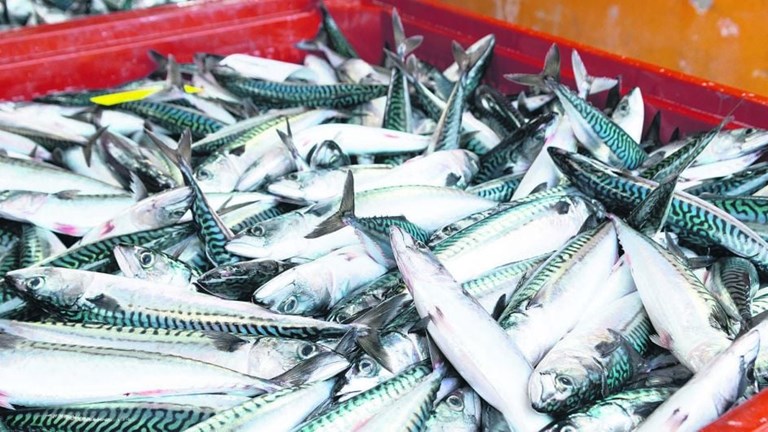
Atlantic mackerel, scientifically known as Scomber scombrus, is an important commercial pelagic fish. It serves retail, foodservice, processing, and wholesale markets worldwide. Moreover, frozen whole mackerel remains an important traded format. EU market data shows that frozen products represented most extra-EU mackerel imports in 2024.
For importers, the challenge is knowing what separates a dependable supplier from a simple trader.
This guide explains the key factors to evaluate before placing an Atlantic mackerel order. It covers sourcing, specifications, freezing, quality control, documentation, logistics, sustainability, and supplier selection.
Why Atlantic mackerel remains important in global seafood trade
Atlantic mackerel has strong demand across several international markets. Its distinctive flavor, oily texture, and versatility make it suitable for multiple applications.
For example, buyers can source it as:
-
Whole frozen mackerel
-
Fresh or chilled mackerel
-
Frozen fillets
-
Processed mackerel
-
Smoked products
-
Raw material for further processing
The European market demonstrates the scale of this trade. EUMOFA reported more than 139,000 tonnes of extra-EU mackerel imports in 2024. Around 83% of those imports were frozen.
Meanwhile, Norway remains a major player in international mackerel trade. The Norwegian Seafood Council reported 207,927 tonnes of Norwegian mackerel exports in 2025. Those exports generated NOK 8.5 billion in value.
However, market conditions can change quickly. Quotas, landings, currency movements, demand, and raw-material availability can all affect pricing.
Therefore, professional buyers should evaluate suppliers beyond the quoted price.
What makes a reliable Atlantic mackerel supplier?
A dependable Atlantic mackerel supplier should provide clear information before the purchase.
First, the supplier should identify the species correctly. Atlantic mackerel is Scomber scombrus. This distinction matters because the word “mackerel” covers several species.
Next, the supplier should explain the product specification clearly.
Important details include:
-
Scientific species name
-
Catch area
-
Catch season
-
Product form
-
Size range
-
Average fish weight
-
Glazing percentage
-
Freezing method
-
Packaging format
-
Net and gross weight
-
Production date
-
Best-before information
-
Storage temperature
-
Available certifications
Additionally, buyers should request representative product photographs.
However, photographs should support rather than replace product documentation.
A professional supplier should also explain how it manages quality checks before shipment. This approach gives importers greater confidence when planning wholesale seafood purchases.
Atlantic mackerel exporter: What should buyers verify?
Selecting an Atlantic mackerel exporter requires a structured evaluation.
1. Verify product specifications
Never purchase based only on the product name.
Instead, request a complete specification sheet. It should describe the exact product being offered.
Size is particularly important for mackerel buyers. Different markets may prefer different size ranges and presentation formats.
For example, a processor may need a specific weight range for automated production. A restaurant distributor may have different requirements.
Therefore, agree on specifications before confirming the purchase.
2. Check freezing and cold-chain controls
Frozen mackerel depends on effective temperature management.
The supplier should explain how the product moves from processing through storage and transportation.
Ask about:
-
Freezing process
-
Cold storage conditions
-
Temperature monitoring
-
Container loading
-
Transit arrangements
-
Temperature records
-
Packaging protection
A broken cold chain can create quality problems even when the original fish was excellent.
Consequently, logistics should form part of the supplier evaluation.
Norwegian mackerel and international sourcing
The term Norwegian mackerel often appears in international seafood procurement.
Norway has a substantial mackerel export industry. In 2025, Japan, South Korea, and Vietnam were among the largest destinations for Norwegian mackerel.
Norwegian mackerel also has established demand in Asian markets. For instance, the Norwegian Seafood Council reported that Norway held a 48% share of South Korea’s Atlantic mackerel market in 2025.
However, buyers should not assume that every product described as “Norwegian mackerel” has identical characteristics.
Instead, confirm:
-
Country of catch.
-
Catch area.
-
Species.
-
Processing location.
-
Product origin.
-
Export documentation.
-
Lot traceability.
These details help buyers distinguish marketing language from verifiable product information.
Atlantic mackerel wholesale: What buyers should consider
Wholesale buyers usually balance quality, volume, price, and consistency.
A competitive wholesale offer should therefore provide more than a price per kilogram.
Consider the complete landed cost.
This can include:
-
Product price
-
Packaging
-
Inland transportation
-
Port charges
-
Freight
-
Insurance
-
Customs costs
-
Import duties
-
Inspection fees
-
Storage
-
Local distribution
Furthermore, payment terms can influence the commercial value of an offer.
A slightly higher product price may produce a different total cost after freight and import expenses.
For this reason, buyers should compare suppliers using the same product specifications and delivery terms.
Quality standards for frozen mackerel
Quality begins before freezing.
Fresh raw material, careful handling, rapid chilling, hygienic processing, and appropriate freezing all influence the final product.
Buyers should examine several quality indicators.
Appearance
Frozen fish should match the agreed specification.
Look for appropriate skin appearance, intact bodies, and acceptable presentation.
Odor
After thawing, the product should have the expected fresh seafood characteristics.
Strong abnormal odors can indicate quality problems.
Texture
Mackerel has naturally oily flesh. Nevertheless, handling and storage conditions can influence texture.
Packaging
Packaging should protect the fish during storage and transportation.
Check carton strength, labeling, product identification, and net weight.
Temperature history
Temperature control remains essential throughout the supply chain.
Therefore, buyers should ask how the exporter records and monitors temperatures.
Sustainability and responsible sourcing
Sustainability deserves careful attention when purchasing Atlantic mackerel.
Importers should avoid relying on broad claims such as “sustainable” without supporting evidence.
The Marine Stewardship Council currently states that Atlantic mackerel fisheries are suspended from its certification program. It also says Atlantic mackerel has faced overfishing concerns in recent years.
Therefore, buyers should ask suppliers for specific evidence rather than assuming certification.
Useful documentation may include:
-
Catch documentation
-
Traceability records
-
Fishery information
-
Chain-of-custody information
-
Applicable certifications
-
Regulatory documentation
-
Lot identification
A responsible seafood export company should be able to explain where the product comes from.
It should also provide documentation supporting its sourcing claims.
This distinction is important for retailers and foodservice companies with sustainability policies.
Export documentation every importer should understand
International seafood transactions involve documentation as well as physical products.
Requirements depend on the origin, destination, product, and applicable regulations.
For Norwegian seafood exports, Mattilsynet explains that exporters must know the importing country’s requirements before shipment. Exporters must also ensure that applicable product and producer requirements are met.
Depending on the destination, documentation can include:
-
Commercial invoice
-
Packing list
-
Health certificate
-
Origin documentation
-
Catch-related documentation
-
Transport documents
-
Product specifications
-
HACCP-related documentation
-
Import permits or declarations
Not every shipment requires every document.
Therefore, importers should confirm requirements with their customs broker and competent authorities before shipment.
For example, some destinations have specific health-certificate procedures. Norway’s Mattilsynet provides destination-specific guidance for markets such as the United States and China.
Frozen Atlantic mackerel exporter: Questions to ask before ordering
When evaluating a Frozen Atlantic mackerel exporter, ask practical questions.
Product questions
-
What is the exact species?
-
Where was the fish caught?
-
What size grades are available?
-
What is the glazing percentage?
-
What packaging formats are available?
-
What is the minimum order quantity?
Quality questions
-
When was the product frozen?
-
Where was it processed?
-
How is temperature monitored?
-
Can you provide a specification sheet?
-
Can you provide sample photographs?
-
Can you provide lot traceability?
Export questions
-
Which countries do you currently serve?
-
Can you provide the required export certificates?
-
Which Incoterms do you offer?
-
Which ports can you ship from?
-
What container quantities are available?
Commercial questions
-
What are your payment terms?
-
How long is the quotation valid?
-
What is the expected lead time?
-
How do you handle quality claims?
A supplier that answers these questions clearly makes procurement easier.
How to compare Atlantic mackerel international suppliers
Choosing an Atlantic mackerel international supplier should involve several criteria.
Do not compare quotations using price alone.
Instead, create a supplier comparison sheet.
Include:
| Evaluation area | What to check |
|---|---|
| Species | Scomber scombrus |
| Origin | Verified catch and processing origin |
| Size | Agreed weight range |
| Product form | Whole, fillet, or processed |
| Freezing | Freezing and storage controls |
| Packaging | Agreed carton and labeling format |
| Traceability | Lot and source documentation |
| Compliance | Destination-market requirements |
| Logistics | Port, freight, and lead time |
| Commercial terms | Payment and Incoterms |
| Quality support | Claims and inspection procedures |
This method creates a consistent procurement process.
It also helps purchasing teams identify hidden differences between apparently similar offers.
Building a long-term supplier relationship
A successful seafood supply chain depends on communication.
Therefore, importers should share accurate forecasts whenever possible.
Suppliers can then plan production, inventory, and logistics more effectively.
Likewise, exporters should communicate changes quickly.
For example, quota changes or supply reductions can affect availability and pricing. Norwegian industry data showed significantly lower mackerel export volumes in 2025. At the same time, export value increased because prices rose sharply.
The same report noted that Norway’s mackerel export volume fell 34% in 2025. It also reported a significant increase in mackerel fillet exports.
These market movements show why buyers need current supplier communication.
A strong relationship can also improve forecasting and product planning.
Common mistakes seafood importers should avoid
Several procurement mistakes can create unnecessary costs.
Choosing the lowest price
The cheapest quotation may not have the lowest landed cost.
Therefore, compare the complete commercial offer.
Ignoring specifications
A product can technically be mackerel while failing your customer’s requirements.
Always confirm specifications in writing.
Accepting vague origin claims
Ask for documentation supporting origin and traceability.
Overlooking logistics
A reliable supplier should discuss shipping schedules and cold-chain requirements.
Ordering without a quality agreement
Agree on specifications, inspection procedures, and claims handling before shipment.
Treating sustainability as a marketing phrase
Ask for evidence supporting sustainability statements.
This approach protects your company and your customers.
Why expertise matters when sourcing Atlantic mackerel
The global mackerel market changes with supply, quotas, demand, currency movements, and processing capacity.
For example, Norwegian export data shows how rapidly prices and volumes can move. In 2025, Norway achieved record mackerel export value despite substantially lower export volume.
Therefore, experienced seafood buyers look beyond today’s quotation.
They evaluate the supplier’s ability to deliver consistent products under changing market conditions.
That means asking better questions, documenting specifications, and maintaining reliable communication.
Final checklist for importers
Before placing your next order, confirm these points:
Product
-
Exact species confirmed
-
Size specification agreed
-
Product form confirmed
-
Packaging approved
-
Freezing requirements documented
Quality
-
Specification sheet received
-
Traceability available
-
Temperature controls understood
-
Quality procedures reviewed
Compliance
-
Destination requirements checked
-
Health certificate requirements confirmed
-
Required export documents identified
-
Import requirements confirmed
Logistics
-
Shipping terms agreed
-
Container quantity confirmed
-
Delivery schedule established
-
Cold-chain arrangements confirmed
Commercial
-
Price and currency confirmed
-
Incoterms agreed
-
Payment terms documented
-
Claims procedure established
Conclusion: Choosing the right Atlantic mackerel exporter
Finding the right Atlantic mackerel exporter is ultimately about building a dependable supply chain.
Price matters, but it should not stand alone.
Importers should evaluate species, size, quality, freezing, traceability, documentation, sustainability evidence, logistics, and commercial terms.
Norwegian mackerel remains an important product in international seafood markets. However, changing supply and market conditions make supplier transparency increasingly valuable.
Therefore, the strongest purchasing process starts with clear specifications and thorough supplier verification.
Whether you represent a supermarket, restaurant chain, processor, or wholesale seafood distributor, ask for evidence before making your decision.
A reliable supplier should make those answers easy to obtain