Atlantic Mackerel Exporters play a critical role in supplying one of the world’s most traded pelagic fish species to global seafood markets. As experienced Atlantic Mackerel Exporters, we supply premium-quality frozen Atlantic mackerel sourced from regulated North Atlantic fisheries and processed under internationally recognized food safety standards. Our products are exported to buyers across the USA, Europe, the Middle East, Asia, and Africa. Atlantic Mackerel Exporters serve seafood importers, wholesalers, processors, supermarket chains, and foodservice distributors that require consistent quality, dependable logistics, and complete product traceability. Buyers choose established Atlantic Mackerel Exporters because they value reliable supply, verified certifications, transparent sourcing, and export-ready documentation.
Why Buy Atlantic Mackerel from Us
International seafood procurement depends on supplier consistency rather than one-time pricing advantages. Buyers need dependable partners capable of delivering uniform quality across multiple shipments while meeting changing regulatory requirements.
Years of experience in seafood exports provide a practical understanding of international trade documentation, cold-chain logistics, and customer specifications. Long-term partnerships with fishing vessels, processors, and logistics providers help maintain supply continuity throughout the season.
International exports require more than product availability. They require coordinated planning, customs expertise, veterinary approvals, and efficient shipping schedules. A structured export process minimizes delays and protects product quality during transit.
Maintaining an uninterrupted cold chain is essential. Frozen Atlantic mackerel must remain at controlled temperatures from processing to final delivery. Continuous temperature monitoring helps preserve freshness, texture, and nutritional value.
Quality control begins before processing. Each production batch undergoes inspection for freshness, grading, weight accuracy, glazing levels, packaging integrity, and labeling compliance.
Fast logistics reduce storage costs and improve inventory planning for importers. Experienced export teams coordinate production schedules with shipping departures to improve delivery performance.
Responsive customer support helps buyers manage product specifications, documentation, container planning, and shipment tracking throughout the purchasing cycle.
Many reputable suppliers operate under internationally recognized food safety and quality systems, including HACCP, BRCGS, IFS, and compliance with European Union regulations.
Atlantic Mackerel Exporters Overview
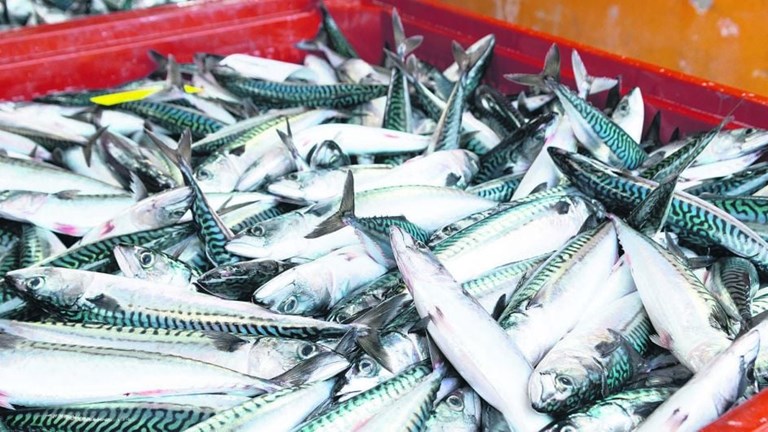
Atlantic mackerel is scientifically known as Scomber scombrus, a highly valued pelagic species found throughout the North Atlantic Ocean.
The species is recognized for its rich flavor, firm flesh, and naturally high oil content. These characteristics make it popular among processors, retailers, restaurants, and consumers worldwide.
Commercial catches primarily originate from regulated fishing grounds in the Norwegian Sea, North Sea, waters surrounding Iceland, the Faroe Islands, Scotland, and Ireland.
Fishing seasons vary depending on quota allocations and migration patterns established by fisheries management authorities.
Atlantic mackerel offers excellent nutritional value. It is naturally rich in omega-3 fatty acids, protein, vitamin D, vitamin B12, selenium, iodine, EPA, and DHA.
Consumer demand continues to grow across Europe, Asia, Africa, and the Middle East due to increasing awareness of healthy seafood consumption.
Available Product Specifications
| Product Type |
Description |
| Whole Round |
Head-on, whole frozen |
| H&G |
Headed and gutted |
| Fillets |
Skin-on or skinless |
| Butterfly Cut |
Split and cleaned |
| Steaks |
Uniform cross-cut portions |
| Portions |
Custom-sized portions |
Packaging Formats
| Packaging Option |
Typical Configuration |
| IQF |
Individually Quick Frozen |
| Block Frozen |
Compact frozen blocks |
| Retail Packs |
400 g–1 kg |
| Foodservice Packs |
2–5 kg |
| Bulk Cartons |
10–20 kg master cartons |
Common Size Ranges
| Size |
| 200–300 g |
| 300–500 g |
| 400–600 g |
| 500–700 g |
| 600–800 g |
| 800 g+ |
Custom specifications are commonly available based on customer requirements and destination market preferences.
Processing Options
Different markets require different product presentations.
Whole round fish remain popular in traditional wholesale markets.
Headed and gutted products reduce processing time for downstream customers while improving storage efficiency.
Fillets provide convenience for retailers and foodservice operators.
Portions and steaks support consistent cooking performance in commercial kitchens.
Vacuum-packed products improve presentation while reducing freezer burn.
Retail-ready packaging includes multilingual labels, nutritional panels, and barcodes.
Private-label production allows importers and supermarket chains to market products under their own brands.
Custom packaging solutions accommodate retailer specifications, regional regulations, and promotional requirements.
Fishing Areas
Atlantic mackerel is harvested from carefully managed fisheries across the North Atlantic.
Major harvesting regions include:
- FAO Area 27
- Norwegian Sea
- North Sea
- Icelandic Waters
- Faroe Islands
- Scottish Waters
- Irish Waters
These fisheries operate under quota systems designed to support long-term resource sustainability.
Quality Assurance
Reliable seafood procurement requires documented quality systems rather than verbal assurances.
Many leading processors maintain certifications such as:
- MSC Chain of Custody
- HACCP
- BRCGS
- IFS Food
- EU Approved Establishments
Traceability systems identify every production batch from harvesting vessel through final shipment.
Veterinary inspections verify compliance with importing country regulations.
Independent laboratory testing commonly evaluates microbiological safety, heavy metals, freshness indicators, and labeling compliance.
Batch tracking enables rapid identification and verification of every exported lot.
Packaging Options
Packaging influences both product protection and transportation efficiency.
Standard export packaging includes durable master cartons designed for international shipping.
Retail bags provide attractive consumer presentation while protecting product quality.
Vacuum packaging minimizes oxidation and preserves freshness.
IQF products simplify inventory management because individual fish separate easily during handling.
Bulk cartons reduce handling costs for processors and distributors.
Custom labels support multilingual packaging requirements, retailer branding, and country-specific regulations.
Pallet configurations are optimized for efficient warehouse handling and container utilization.
A standard 40-foot reefer container typically accommodates approximately 24–28 metric tons depending on packaging specifications.
Export Markets
Atlantic mackerel enjoys strong demand across diverse international markets.
The United States imports frozen mackerel for wholesale distribution, foodservice operations, and ethnic retail markets.
Canada maintains steady demand through seafood wholesalers and retail chains.
Germany, France, Spain, Italy, the Netherlands, and Poland represent major European destinations where seafood consumption remains consistently high.
Asian markets, including Japan, South Korea, and China, value Atlantic mackerel for both traditional cuisine and modern retail formats.
Middle Eastern buyers increasingly purchase frozen mackerel because of competitive pricing, nutritional value, and versatile preparation methods.
African importers continue expanding seafood imports to satisfy growing urban populations and modern retail sectors.
Logistics
Efficient logistics determine whether seafood reaches buyers in optimal condition.
Cold-chain management begins immediately after processing and continues until final delivery.
Reefer containers maintain stable temperatures throughout sea transportation.
Air freight supports urgent orders, premium products, and smaller commercial shipments.
Sea freight remains the preferred solution for full-container international exports.
Export documentation generally includes commercial invoices, packing lists, bills of lading, veterinary health certificates, certificates of origin, catch certificates where applicable, and other destination-specific documents.
Experienced exporters coordinate customs clearance procedures while advising customers on Incoterms such as FOB, CFR, CIF, and DDP where applicable.
Sustainability
Responsible sourcing has become a central purchasing criterion for global seafood buyers.
Well-managed Atlantic fisheries operate under science-based quota systems designed to maintain healthy fish populations.
Responsible fisheries management supports ecosystem protection while ensuring long-term commercial viability.
Many processors participate in traceability systems that document harvesting locations, production dates, and processing facilities.
Compliance with FAO principles and national fisheries regulations strengthens buyer confidence while supporting responsible seafood trade.
Environmental responsibility increasingly influences procurement policies among retailers, restaurant groups, and multinational food companies.
Health Benefits
Atlantic mackerel combines excellent nutritional value with consumer appeal.
It is naturally rich in:
- Omega-3 fatty acids
- EPA
- DHA
- High-quality protein
- Vitamin D
- Vitamin B12
- Selenium
- Iodine
Regular seafood consumption contributes to balanced nutrition and supports cardiovascular health when included as part of a varied diet.
Why International Buyers Choose Us
International buyers frequently prioritize suppliers that demonstrate operational consistency rather than offering the lowest quotation.
Key purchasing considerations include:
- Reliable year-round supply
- Competitive factory-direct pricing
- Consistent product quality
- Flexible private-label solutions
- Adaptable minimum order quantities
- Fast and accurate quotations
- Dedicated export coordination
- Complete documentation support
- Responsive customer service
- Strong traceability systems
These factors reduce procurement risk while supporting long-term supply relationships.
Frequently Asked Questions
What are Atlantic Mackerel Exporters?
Atlantic Mackerel Exporters are companies that source, process, and supply Atlantic mackerel to international seafood buyers while managing export logistics and documentation.
Where is Atlantic mackerel caught?
It is primarily harvested in the North Atlantic, including FAO Area 27, the Norwegian Sea, North Sea, Icelandic waters, and surrounding regions.
Is Atlantic mackerel wild caught?
Yes. Commercial Atlantic mackerel is generally harvested from wild fisheries.
Can you supply private-label products?
Yes. Many processors offer customized branding and retail packaging.
What is the minimum order quantity?
Minimum quantities vary by supplier, packaging format, and destination.
How much fits into one container?
A 40-foot reefer container typically carries approximately 24–28 metric tons.
What is the shelf life?
Frozen Atlantic mackerel generally has a shelf life of up to 24 months when stored at the recommended temperature.
Which processing options are available?
Whole, H&G, fillets, butterfly cuts, steaks, and portions are commonly available.
Which packaging formats can be supplied?
IQF, block frozen, vacuum packs, retail bags, foodservice cartons, and bulk export cartons.
Which export documents are provided?
Commercial invoices, packing lists, health certificates, certificates of origin, catch certificates where required, and transport documents.
What are the normal production lead times?
Lead times depend on production schedules, inventory, and shipping availability.
Is frozen or fresh Atlantic mackerel available?
Frozen products dominate international trade due to shelf-life advantages.
Which certifications are commonly available?
HACCP, BRCGS, IFS, MSC Chain of Custody, and EU approvals where applicable.
Which payment methods are commonly accepted?
International suppliers often work with T/T, Letters of Credit, or other agreed commercial payment terms.
Can shipments be delivered worldwide?
Yes. Established exporters regularly ship to North America, Europe, Asia, Africa, and the Middle East.
Contact Our Export Team
International seafood procurement requires accurate product information, dependable documentation, and realistic delivery planning. Buyers preparing tenders, seasonal purchasing programs, or private-label projects should request detailed specifications, available sizes, certification status, packaging options, and logistics schedules before placing an order.
Companies such as Aschums Seafood build their model around factory-direct sourcing, premium Norwegian seafood, and export-ready logistics. This approach demonstrates how disciplined sourcing, verified quality systems, and reliable international shipping can support long-term buyer confidence without relying on aggressive sales claims.
Choosing among Atlantic Mackerel Exporters should be based on proven traceability, consistent processing standards, regulatory compliance, and dependable supply performance. While competitive pricing remains important, experienced procurement professionals recognize that supplier reliability, product consistency, and transparent export capabilities create greater long-term value than selecting the lowest available price.