
Global demand for premium seafood continues to grow in 2026. Restaurants, distributors, retailers, and importers now seek reliable suppliers that offer consistent quality, competitive pricing, and certified products. As a result, Norwegian salmon suppliers have become the preferred sourcing partners for buyers across the the United Arab Emirates, Saudi Arabia, the United States, and international markets.
Norway remains the global benchmark for Atlantic salmon production. The country’s cold, clean waters, strict sustainability standards, and advanced aquaculture systems ensure exceptional product quality. Therefore, businesses that source Norwegian Atlantic salmon gain a strong competitive advantage.
This comprehensive guide explores everything buyers need to know about sourcing premium Norwegian Atlantic salmon in 2026. It covers supplier selection, wholesale opportunities, certifications, logistics, product specifications, and emerging seafood sourcing trends.
Why Norwegian Atlantic Salmon Dominates the Global Seafood Market
Norwegian Atlantic salmon continues to lead international seafood markets for several reasons.
First, Norway maintains some of the world’s highest seafood production standards. Second, the country’s advanced aquaculture technology ensures product consistency. Third, global buyers trust Norwegian seafood certifications and traceability systems.
Today, buyers in Dubai, Abu Dhabi, Riyadh, Jeddah, New York, Los Angeles, Miami, and major European markets actively seek premium Norwegian salmon products.
Key advantages include:
- Superior flavor and texture
- High omega-3 content
- Strict food safety compliance
- Sustainable farming practices
- Reliable year-round supply
- Global export infrastructure
- Complete product traceability
Consequently, many food service businesses now prioritize Norwegian salmon over alternative origins.
Why Restaurants Prefer Premium Norwegian Atlantic Salmon
Restaurants require seafood products that deliver consistent quality and customer satisfaction.
Premium Norwegian Atlantic salmon offers:
Exceptional Taste Profile
Norwegian Atlantic salmon features:
- Rich flavor
- Firm texture
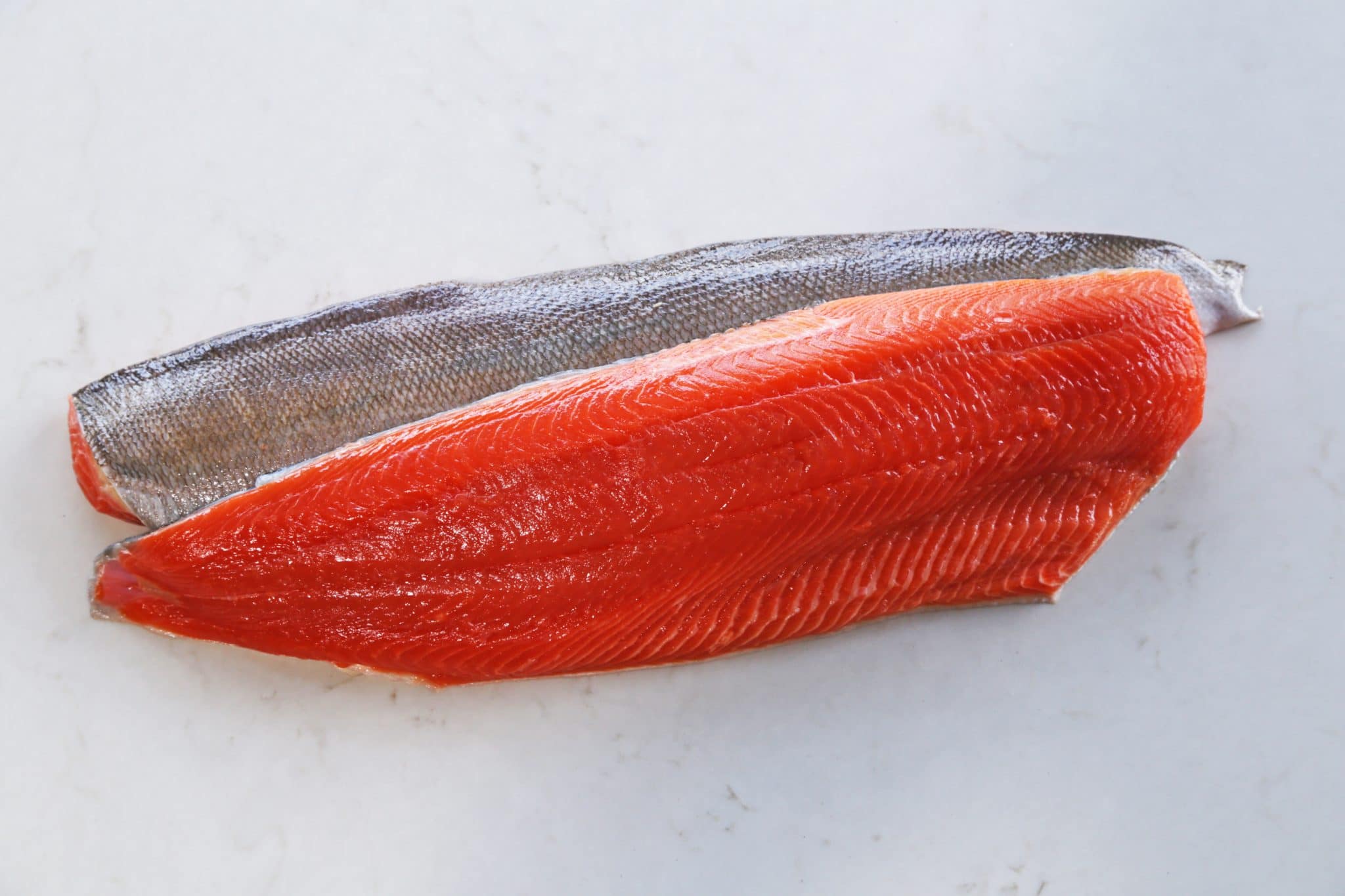
- Bright orange flesh
- High fat content
- Excellent cooking performance
These characteristics make it ideal for:
- Fine dining restaurants
- Sushi establishments
- Hotel chains
- Catering companies
- Luxury cruise operators
Reliable Supply Chain
Restaurant operators cannot afford inventory shortages.
Fortunately, Norwegian exporters maintain:
- Stable production schedules
- Regular harvest cycles
- Advanced cold chain logistics
- Global distribution networks
As a result, restaurants receive consistent deliveries throughout the year.
Food Safety Assurance
Consumers increasingly demand food transparency.
Norwegian seafood producers comply with:
- HACCP requirements
- EU food regulations
- FDA standards
- International export protocols
- Sustainability certifications
Therefore, restaurant owners can confidently promote premium seafood offerings.
Norwegian Salmon Suppliers: How to Identify the Best Partners
Selecting the right Norwegian salmon suppliers determines long-term business success.
Buyers should evaluate suppliers based on several important criteria.
Production Capacity
Large buyers require dependable supply volumes.
Ask suppliers about:
- Weekly production capacity
- Annual export volumes
- Harvest schedules
- Processing facilities
- Inventory availability
Export Experience
Experienced exporters understand international market requirements.
Look for suppliers with proven experience exporting to:
- United Arab Emirates
- Saudi Arabia
- United States
- European Union
- Asia-Pacific markets
Food Certifications
Always verify supplier certifications.
Important certifications include:
- HACCP
- ASC
- BRCGS
- GlobalG.A.P.
- MSC
- ISO certifications
Traceability Systems
Modern seafood buyers demand complete transparency.
Reliable suppliers provide:
- Farm identification
- Harvest information
- Processing dates
- Batch tracking
- Shipping documentation
Logistics Capabilities
Export logistics significantly impact product quality.
Evaluate:
- Air freight options
- Sea freight solutions
- Frozen storage facilities
- Packaging technology
- Delivery lead times
Atlantic Salmon Wholesale Opportunities in 2026
The global market for Atlantic salmon wholesale continues to expand rapidly.
Several factors drive this growth:
- Increased seafood consumption
- Rising health awareness
- Growth in premium dining
- Expansion of food delivery platforms
- Strong retail demand
Wholesale Product Categories
Suppliers typically offer:
Whole Fresh Atlantic Salmon
Ideal for:
- Wholesale distributors
- Fish markets
- Processing facilities
Fresh Salmon Fillets
Perfect for:
- Restaurants
- Hotels
- Catering companies
Frozen Salmon Portions
Suitable for:
- Retail chains
- Food manufacturers
- International distributors
Smoked Salmon Products
Popular among:
- Luxury retailers
- Hospitality businesses
- Gourmet food distributors
Why UAE Buyers Import Norwegian Salmon
The United Arab Emirates remains one of the largest seafood import markets in the Middle East.
Several factors contribute to this demand.
Strong Hospitality Industry
The UAE hosts:
- Luxury hotels
- International restaurant chains
- Premium catering services
- Tourism establishments
These businesses require reliable seafood suppliers.
Consumer Preference for Premium Seafood
UAE consumers increasingly prefer:
- Imported seafood
- Sustainable products
- Premium dining experiences
- Healthy protein options
Efficient Import Infrastructure
Major ports and airports facilitate rapid seafood imports.
Key import hubs include:
- Dubai
- Abu Dhabi
- Sharjah
Consequently, Norwegian Atlantic salmon remains highly competitive within the UAE market.
Saudi Arabia’s Growing Demand for Premium Salmon
Saudi Arabia’s seafood market continues to expand.
Several economic factors drive this growth:
- Population growth
- Tourism development
- Hospitality investments
- Rising disposable income
Restaurants throughout:
- Riyadh
- Jeddah
- Dammam
- Mecca
- Medina
now purchase increasing volumes of imported Atlantic salmon.
Moreover, Saudi Vision 2030 initiatives continue to strengthen food import infrastructure.
Why American Seafood Buyers Source Norwegian Atlantic Salmon
The United States remains one of the world’s largest seafood markets.
American buyers value Norwegian salmon because of its:
- Consistent quality
- Sustainable production
- Reliable availability
- Competitive pricing
- Strong food safety standards
Major purchasing sectors include:
- Restaurant chains
- Seafood distributors
- Grocery retailers
- Hospitality companies
- Food processors
Cities with strong demand include:
- New York
- Miami
- Boston
- Chicago
- Los Angeles
- Seattle
Premium Salmon for Restaurants: What Buyers Should Look For
When purchasing premium salmon for restaurants, quality specifications matter.
Product Freshness
Evaluate:
- Harvest dates
- Processing dates
- Transportation times
- Temperature records
Fat Content
Higher fat levels generally indicate superior eating quality.
Flesh Color
Premium salmon should display:
- Bright color
- Uniform appearance
- Minimal defects
Size Consistency
Restaurants prefer standardized portions because they improve operational efficiency.
Packaging Quality
Premium packaging protects:
- Freshness
- Texture
- Appearance
- Food safety
Frozen Salmon Exporter Norway: Understanding Global Supply Chains
Selecting the right frozen salmon exporter Norway offers significant advantages.
Frozen salmon provides:
- Longer shelf life
- Reduced waste
- Better inventory management
- Lower transportation risks
- Global accessibility
Modern Freezing Technology
Norwegian exporters use advanced freezing systems that preserve:
- Taste
- Texture
- Nutritional value
- Appearance
Export Packaging Solutions
Common packaging formats include:
- Vacuum packs
- Retail packs
- Bulk cartons
- Portion packs
- Food service packaging
Shipping Methods
Exporters typically use:
- Air cargo
- Reefer containers
- Combined logistics solutions
These methods maintain product quality during transportation.
B2B Seafood Sourcing Strategies for Importers
Successful B2B seafood sourcing requires careful planning.
Importers should follow several important steps.
Conduct Supplier Audits
Evaluate:
- Processing facilities
- Food safety systems
- Production standards
- Operational capacity
Request Product Samples
Samples help buyers verify:
- Quality
- Taste
- Packaging
- Consistency
Compare Pricing Structures
Analyze:
- Product pricing
- Freight costs
- Insurance expenses
- Import duties
Review Documentation
Verify:
- Health certificates
- Export permits
- Origin certificates
- Inspection reports
Establish Long-Term Partnerships
Long-term relationships often provide:
- Better pricing
- Priority allocations
- Stable supply
- Improved communication
Expanding Opportunities: Wholesale Fresh Mackerel Fillets
Many seafood buyers diversify their product portfolios.
Wholesale Fresh Mackerel Fillets represent a strong commercial opportunity.
Benefits include:
- High consumer demand
- Competitive pricing
- Excellent nutritional value
- Wide market acceptance
Target buyers include:
- Retail chains
- Restaurants
- Seafood wholesalers
- Food processors
Growing Demand for Retail-Ready Mackerel Fillets
Consumer preferences continue shifting toward convenience products.
Therefore, Retail-Ready Mackerel Fillets have gained significant market share.
Popular packaging formats include:
- Vacuum-sealed packs
- Skin-packed trays
- Frozen retail portions
- Modified atmosphere packaging
Retailers increasingly prefer products requiring minimal preparation.
Why Buyers Need a Reliable Bulk Mackerel Fillets Supplier
Choosing the right Bulk Mackerel Fillets Supplier ensures consistent business operations.
Buyers should prioritize suppliers offering:
- Stable inventory
- Competitive pricing
- Quality assurance
- Export expertise
- Reliable logistics
Long-term supplier relationships reduce operational risks and improve profitability.
USA Market Opportunities for Live and Frozen King Crab Suppliers
The American seafood market continues to generate strong demand for king crab products.
Businesses involved in premium seafood sourcing should also consider these growing sectors.
Live King Crab Suppliers USA
Demand for Live King Crab Suppliers USA continues to rise among:
- Luxury restaurants
- Premium seafood markets
- Hospitality groups
- High-end distributors
Fresh live king crab remains one of the industry’s highest-value seafood categories.
Frozen King Crab Suppliers USA
Many distributors prefer Frozen King Crab Suppliers USA because frozen products offer:
- Extended shelf life
- Simplified logistics
- Reduced spoilage
- Wider market access
Wholesale King Crab USA
The Wholesale King Crab USA market continues expanding due to increased luxury seafood consumption.
Major buyers include:
- National restaurant chains
- Seafood importers
- Food service distributors
- Retail seafood brands
B2B King Crab Importers USA
B2B King Crab Importers USA increasingly seek suppliers capable of providing:
- Stable supply contracts
- Food safety certifications
- Traceability systems
- Competitive pricing
These factors closely mirror the requirements found in premium salmon sourcing.
Sustainability Matters More Than Ever in 2026
Modern seafood buyers prioritize sustainability.
Norwegian seafood producers invest heavily in:
- Responsible aquaculture
- Fish welfare
- Environmental protection
- Carbon reduction
- Sustainable feed solutions
As a result, sustainable sourcing has become a major competitive advantage.
Businesses promoting sustainable seafood often experience:
- Greater customer trust
- Improved brand reputation
- Higher customer retention
- Stronger market positioning
Technology Is Transforming Seafood Procurement
Digital technologies continue reshaping seafood sourcing.
Modern suppliers now offer:
- Digital traceability systems
- Blockchain verification
- Online ordering platforms
- Real-time inventory management
- AI-assisted forecasting
These innovations improve:
- Transparency
- Efficiency
- Risk management
- Customer experience
Consequently, seafood procurement has become faster and more reliable than ever before.
Future Trends in the Global Salmon Industry
Several trends will shape the salmon market during 2026 and beyond.
These include:
- Increased global seafood consumption
- Expansion of premium restaurant sectors
- Growth of online seafood retail
- Stronger sustainability regulations
- Greater demand for traceability
- AI-assisted supply chain management
- Expansion of frozen premium seafood markets
Businesses that adapt early will likely achieve stronger market positions.
Conclusion: Why Norwegian Salmon Suppliers Remain the Global Standard
As international seafood markets continue evolving, Norwegian salmon suppliers remain the preferred sourcing partners for restaurants, distributors, importers, and wholesalers worldwide. Their commitment to quality, sustainability, traceability, and reliable logistics creates exceptional value for businesses operating in competitive markets.
Whether you operate in the United Arab Emirates, Saudi Arabia, the United States, or global markets, sourcing premium Norwegian Atlantic salmon offers significant commercial advantages. Furthermore, combining strategic B2B seafood sourcing practices with trusted supplier partnerships helps businesses achieve long-term profitability and customer satisfaction.
For companies seeking premium seafood products in 2026, investing in relationships with experienced Norwegian salmon suppliers remains one of the smartest decisions in the global seafood industry.