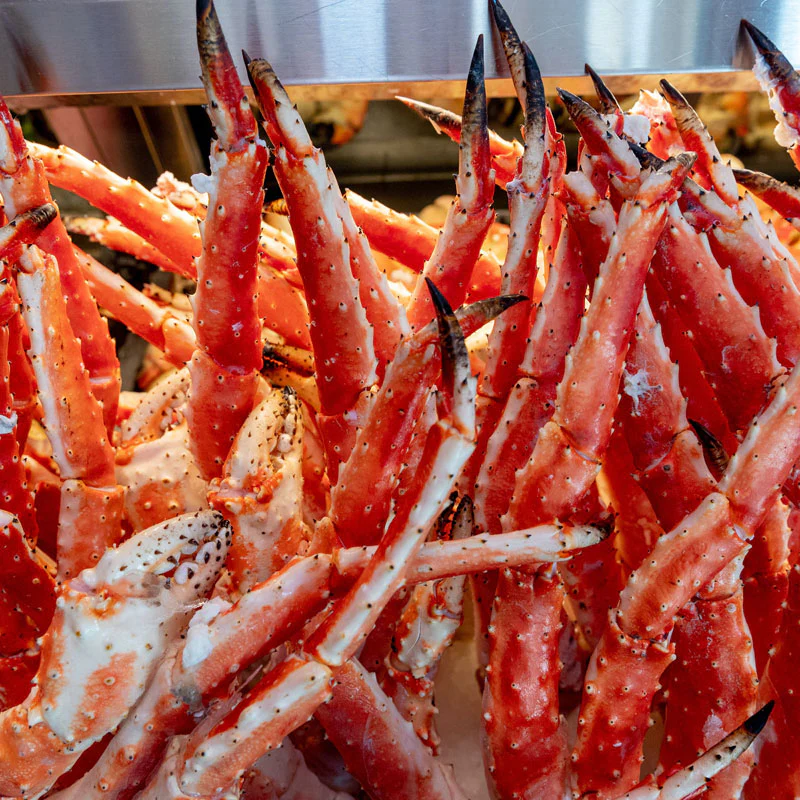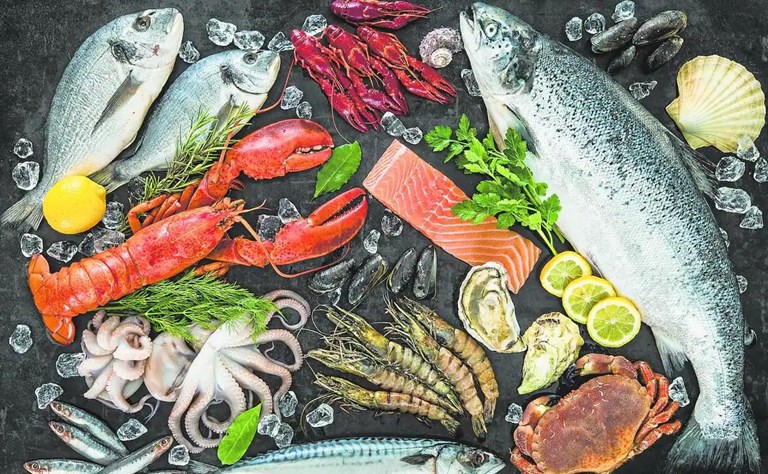


A brown crab supplier is only as good as the consistency behind the product. For importers, distributors, and foodservice buyers, that means more than getting a shipment out on time. It means stable sourcing, clear specifications, reliable grading, and export handling that protects quality from dock to destination.
Brown crab remains a strong category for buyers serving retail seafood counters, processors, restaurant groups, and specialty markets. Demand is steady because the product works across multiple channels. Whole cooked crab, sections, claws, and brown crab meat all have commercial value, but only when supply is dependable and the product matches the promised specification.
What commercial buyers need from a brown crab supplier
At wholesale level, the purchase decision is rarely about price alone. The better question is whether the supplier can support your business over time. A dependable brown crab supplier should offer product credibility first – clear origin, defined sizes, consistent handling, and realistic lead times.
That matters because brown crab can vary significantly by season, catch conditions, processing method, and post-harvest handling. Two suppliers may both offer frozen brown crab, but the difference in shell condition, meat fill, glazing, packing standards, and temperature control can change yield, shelf life, and customer acceptance.
For a distributor or importer, inconsistency creates margin pressure fast. If pack weights fluctuate, if the crab arrives with poor shell presentation, or if documentation is incomplete, the problem does not stay with the supplier. It moves directly to your warehouse, your customers, and your claims process.
Brown crab supplier standards that actually matter
The strongest suppliers tend to be disciplined in a few core areas. First is sourcing. Commercial buyers should expect a supplier to understand where the crab comes from, how it is harvested, and what quality profile is typical from that fishery. Norwegian and North Atlantic sourcing often carries strong value because buyers associate it with cold-water quality, disciplined seafood handling, and export-grade standards.
Second is grading. Brown crab is not a product category where vague descriptions help anyone. Buyers need clarity on size ranges, whether product is live, whole cooked, frozen, or processed, and how the product is packed for bulk movement. A serious supplier should be able to discuss these points directly, without overpromising.
Third is processing control. Brown crab is highly sensitive to handling. Overcooking, delayed chilling, weak freezing practices, or poor packing can reduce both appearance and eating quality. For wholesale buyers, this affects resale value immediately. Product that looks acceptable on paper can still underperform if the process behind it is not tightly managed.
Fourth is export readiness. This is where many supply relationships become difficult. A supplier may have access to crab, but not the systems needed for smooth international trade. Commercial buyers should look for confidence in documentation, cold chain management, labeling, and shipment coordination. In export seafood, operational reliability is part of product quality.
Fresh, frozen, or processed – what fits your market?
The right brown crab format depends on your sales channel. There is no single best option for every buyer.
Live brown crab can be attractive for premium seafood counters and select restaurant programs, but it requires very tight handling and a buyer network that can move product quickly. The upside is strong market appeal and premium positioning. The trade-off is higher risk, shorter selling windows, and more sensitivity during transport.
Whole cooked or frozen brown crab is often the more practical option for international wholesale. It offers broader distribution flexibility, easier inventory control, and more predictable storage. For many importers, frozen formats support stronger planning because they reduce time pressure and can fit mixed-container strategies.
Processed options such as claws, sections, or meat can create better value for foodservice and manufacturing customers who want convenience and yield consistency. These formats usually reduce labor for the end user, but they also require a supplier with stronger processing discipline. The more processing involved, the more important pack accuracy and quality control become.
Why origin still drives buying decisions
In seafood wholesale, origin is not just a marketing line. It influences buyer confidence, pricing position, and customer expectations. Brown crab from cold, clean waters can support a premium story, especially when paired with traceable sourcing and careful processing.
For US buyers, origin also affects how the product is positioned downstream. Premium retail, upscale restaurant supply, and specialty seafood programs often need more than an item description. They need a story tied to waters, harvest standards, and quality assurance. That story must be credible, not decorative.
This is one reason many international buyers prefer working with a Norway-focused export partner. Norwegian seafood carries strong recognition in global trade, and that reputation has commercial value when the supplier can support it with dependable packing, freshness standards, and practical service. Aschums Seafood AB serves this market by focusing on export-ready Norwegian seafood for commercial buyers who need both quality and supply confidence.
Pricing is important, but usable value matters more
Every buyer wants competitive pricing. That is a given. The better suppliers understand that pricing only works when it reflects usable value.
A lower price per case means little if the product generates complaints, inconsistent yields, or additional handling costs. Brown crab should be evaluated against landed value, not simply invoice value. That includes meat content, shell condition, count consistency, pack integrity, and how well the product performs after thawing or display.
This is where honest supplier communication matters. A reliable brown crab supplier should explain what is achievable at a given price point. Premium grade product, stronger meat fill, better shell presentation, and tighter specifications usually come at a different cost than commodity-level supply. Neither option is automatically wrong. It depends on your customer base and how you intend to position the product.
For importers serving multiple channels, a supplier who can offer more than one specification can be especially useful. That flexibility supports margin planning. It allows buyers to match product grade to end-market demand instead of forcing one quality level into every sales program.
Questions worth asking before placing volume orders
Procurement teams usually know the basics, but brown crab is a category where details deserve attention early. Before committing to regular volume, buyers should confirm whether the supplier can maintain consistent size grading, provide clear pack information, and support the required shipping method.
It also makes sense to ask how seasonal changes may affect availability and specification. With wild-caught seafood, some variation is natural. The issue is not whether variation exists. The issue is whether the supplier communicates it clearly enough for the buyer to plan.
You should also ask how claims are handled. No serious buyer expects perfection in every shipment, but they do expect accountability. A dependable supplier should have a practical process for addressing quality concerns, documentation issues, or transport-related problems.
Building a supply relationship, not just filling a container
The best brown crab supply relationships are built on repeatability. Buyers need to know that a supplier can perform across multiple shipments, not just on a strong first order. That includes responsiveness, realistic forecasting, and a willingness to protect long-term business rather than chase one-off transactions.
This is especially important for distributors and importers who are building category programs. If your sales team is developing retail or foodservice demand around brown crab, supply interruptions and quality swings can damage more than one purchase order. They can slow category growth and weaken customer trust.
A good supplier helps reduce that risk by being direct about availability, packing options, and timing. That practical approach is often more valuable than aggressive sales language. In wholesale seafood, confidence grows when the product arrives as expected and performs as promised.
The right brown crab supplier supports growth
Brown crab can be a profitable and durable category when the supply side is managed properly. Buyers who choose carefully tend to get more than product access. They get a partner that understands wholesale requirements, export pressure, and the commercial reality of serving demanding downstream customers.
If you are sourcing for bulk import, distribution, retail seafood programs, or foodservice supply, the right brown crab supplier should bring more than inventory. The supplier should bring dependable quality, origin credibility, responsive service, and a clear understanding of how seafood moves in international trade. That is what turns a product listing into a workable business line.
When the supply is consistent, the paperwork is right, and the crab arrives in the condition your market expects, buying gets simpler – and selling gets stronger.