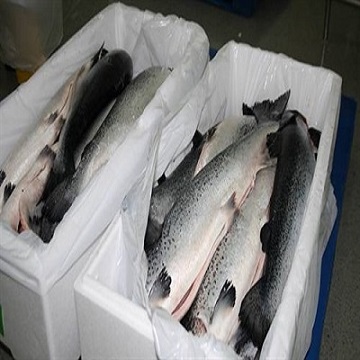


Atlantic Salmon Wholesale | Premium Global Supply for Retailers, Restaurants & Importers
Introduction
The global seafood market demands consistency, safety, and premium quality. Atlantic Salmon Wholesale plays a vital role in meeting this demand across restaurants, retail chains, and import distributors. Today’s buyers expect more than just fish. They expect traceability, sustainability, and strict cold chain handling.
In this guide, we present a complete commercial overview of high-grade salmon supply solutions. It supports importers in the USA, UAE, Saudi Arabia, and global markets. Moreover, it highlights how professional seafood sourcing ensures stable pricing and reliable delivery.
We focus on quality-driven sourcing, efficient logistics, and international compliance. As a result, businesses can scale with confidence while maintaining food safety standards.
Why Atlantic Salmon Wholesale Matters in Global Seafood Trade
The global seafood supply chain relies heavily on stable bulk sourcing. Atlantic Salmon Wholesale enables buyers to secure consistent product availability year-round. In addition, it supports pricing stability for large-volume procurement.
Restaurants need uniform portion sizes. Retail chains require visually appealing fillets. Importers demand certified documentation and predictable shipping schedules.
Therefore, wholesale salmon supply becomes a strategic advantage. It reduces procurement risks and improves menu or retail consistency.
Furthermore, demand continues to rise in premium food markets. Health-conscious consumers prefer salmon for its omega-3 content. Consequently, wholesale supply networks must scale responsibly.
Wholesale Fresh Salmon Fillets for High-Volume Buyers
Fresh salmon fillets remain the most demanded product format. They offer versatility and strong culinary appeal. In addition, chefs prefer them for grilling, baking, and sushi preparation.
Wholesale Fresh Salmon Fillets are processed under strict temperature control. This ensures texture integrity and food safety. Moreover, fillets are cut to standardized weights for consistent portion control.
Cold chain handling plays a critical role here. From processing plants to delivery trucks, temperature stays controlled. As a result, product freshness remains intact during export.
Buyers in the UAE and Saudi Arabia often prefer chilled shipments. Meanwhile, USA distributors may combine fresh and frozen supply models.
Retail-Ready Salmon Fillets for Supermarket Chains
Retail markets demand presentation-ready seafood products. Packaging must be clean, labeled, and compliant with local regulations.
Retail-Ready Salmon Fillets are designed for direct shelf placement. They reduce preparation time for supermarkets. In addition, they improve product visibility and customer trust.
Packaging includes vacuum sealing and modified atmosphere options. Labels often display origin, batch number, and sustainability certification.
Moreover, retail-ready solutions support fast-moving consumer goods (FMCG) strategies. This ensures better turnover rates in grocery chains.
Bulk Salmon Fillets Supplier for International Importers
Large-scale importers depend on stable supply partners. A Bulk Salmon Fillets Supplier must ensure volume consistency and regulatory compliance.
Bulk orders typically serve food service distributors, hotel chains, and wholesale seafood markets. Therefore, logistics efficiency becomes essential.
Export documentation includes health certificates, catch or farm origin reports, and customs paperwork. In addition, European-standard compliance ensures smooth cross-border trade.
Furthermore, bulk supply contracts often include seasonal forecasting. This helps buyers manage demand fluctuations effectively.
Sustainability and Responsible Seafood Sourcing
Modern seafood procurement must follow environmental responsibility. Sustainable farming reduces ecological impact and supports long-term supply stability.
Certified farms follow strict feed management and water quality control. As a result, fish health improves while environmental stress decreases.
Traceability systems track salmon from hatchery to shipment. This ensures transparency at every stage of production.
Moreover, sustainability certifications such as ASC and GlobalG.A.P. strengthen buyer confidence. They also support compliance in EU and North American markets.
Cold Chain Logistics and Export Integrity
Cold chain management ensures seafood safety during transport. Temperature is maintained between processing and final delivery.
Any disruption can affect texture, color, and safety. Therefore, logistics providers use insulated containers and refrigerated vessels.
Additionally, real-time tracking systems monitor shipment conditions. This reduces spoilage risk and improves accountability.
Export hubs in Europe, North America, and Asia rely on advanced cold storage infrastructure. Consequently, global delivery remains reliable and efficient.
Quality Control and European Standards Compliance
Quality assurance defines premium seafood trade. Salmon must pass strict microbial and chemical testing before export.
European standards require HACCP compliance and documented inspection reports. These standards ensure food safety and consumer protection.
Moreover, grading systems classify salmon based on fat content, color, and texture. This helps buyers select the right product tier.
Consistency remains a key factor in long-term supplier relationships. Therefore, strict processing protocols are always enforced.
Packaging Solutions for Global Distribution
Packaging plays a critical role in seafood preservation. Vacuum sealing prevents oxidation and extends shelf life.
Frozen salmon uses IQF (Individually Quick Frozen) technology. This preserves texture and prevents clumping.
Moreover, packaging is designed for export durability. Boxes resist moisture, temperature changes, and transport pressure.
Retail packaging includes branding options for supermarkets. Meanwhile, bulk packaging focuses on efficiency and stackability.
Global Market Demand: UAE, Saudi Arabia, and USA
Demand for premium salmon continues to grow across major markets.
In the UAE, luxury hotels and restaurants require consistent premium supply. Saudi Arabia focuses on food security and import stability. Meanwhile, the USA market prioritizes sustainability and traceability.
Therefore, suppliers must adapt to regional requirements. Compliance and flexibility become key success factors.
Additionally, consumer awareness of healthy diets drives long-term growth. Salmon remains a top protein choice worldwide.
Export Documentation and Compliance Process
International seafood trade requires detailed documentation. Export files include health certificates, invoices, and origin declarations.
Customs clearance depends on accurate paperwork. Therefore, suppliers must maintain strict administrative accuracy.
Moreover, compliance with importing country regulations avoids shipment delays. This ensures smooth delivery cycles.
European markets often require additional labeling standards. These include nutritional data and traceability codes.
Product Consistency and Food Service Applications
Restaurants require uniform portion control. This ensures consistent cooking results and customer satisfaction.
Fillets are cut to standard weights for efficiency. This reduces kitchen waste and improves cost control.
Moreover, salmon is widely used in sushi, grilled dishes, and salads. Its versatility makes it a staple in global cuisine.
Food service distributors benefit from predictable supply chains. As a result, menu planning becomes more efficient.
Storage and Shelf Life Optimization
Proper storage extends product usability. Fresh salmon must remain chilled between 0°C and 4°C.
Frozen salmon requires stable -18°C conditions. Any fluctuation affects product integrity.
Vacuum sealing improves shelf life significantly. It also prevents freezer burn and oxidation.
Additionally, proper stock rotation ensures minimal waste in commercial operations.
SEO-Optimized Commercial Advantage
Businesses searching for Atlantic Salmon Wholesale suppliers prioritize reliability and scale. This keyword represents high-intent commercial demand.
Suppliers who optimize logistics, certifications, and packaging gain competitive advantage. Moreover, digital visibility increases inbound buyer inquiries.
Strong SEO positioning supports global trade expansion. It connects suppliers with importers and retail buyers efficiently.
FAQs
What is included in wholesale salmon supply?
Wholesale supply includes fillets, portions, and frozen blocks. It also includes documentation and packaging.
How is salmon quality maintained during export?
Cold chain systems and vacuum packaging protect freshness. Additionally, strict temperature monitoring ensures stability.
Do suppliers provide certification documents?
Yes. Certified suppliers provide HACCP, ASC, and health certificates. These support international compliance.
Can salmon be customized for retail packaging?
Yes. Retail-ready formats include branded and labeled packaging. This improves shelf presentation.
What regions are the biggest buyers?
Major buyers include the USA, UAE, and Saudi Arabia. European markets also show strong demand.
Conclusion
The global seafood market continues to expand rapidly. Reliable sourcing remains essential for long-term success. Atlantic Salmon Wholesale delivers the foundation for scalable, premium seafood distribution.
With strong cold chain systems, certified sourcing, and export compliance, businesses can operate confidently across international markets. In addition, sustainability and traceability strengthen brand trust and regulatory approval.
Therefore, choosing a professional wholesale partner ensures consistent quality, stable pricing, and global market access.