
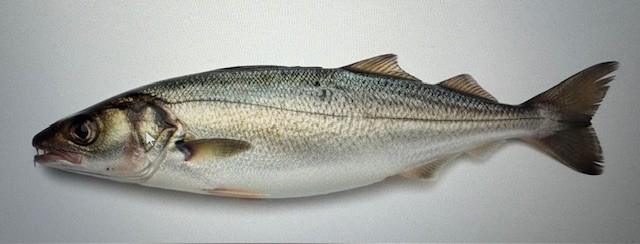
If your haddock program looks strong on paper but keeps breaking down at the point of delivery, the issue is usually not demand. It is the haddock export supplier behind the shipment. For importers, distributors, and foodservice buyers, supplier choice affects yield, shelf life, customer complaints, and margin far more than the quoted price per kilogram.
Haddock is a dependable species for retail, restaurant, and wholesale channels, but only when it is sourced and packed with export in mind. A supplier that understands international trade, cold chain discipline, and buyer specifications can keep your business moving. One that does not will cost you time, claims, and lost customer trust.
What a haddock export supplier should actually deliver
A serious export supplier is not just selling fish. They are managing product consistency from catch to packing, documentation to loading, and temperature control to arrival. That matters with haddock because buyers often work against fixed specs, promotional schedules, and downstream commitments that leave little room for variation.
For commercial buyers, the standard is simple. You need fish that matches the agreed grade, size, format, and condition every time. That may mean whole round haddock for processing, H&G for distribution, fillets for retail programs, or frozen formats for longer inventory cycles. The supplier should be able to discuss these needs clearly and confirm what is realistically available by season, volume, and market.
Norwegian sourcing carries weight here for a reason. Cold, clean waters and a well-established seafood export system support premium raw material and reliable handling. But origin alone is not enough. The supplier still needs disciplined quality control and a practical understanding of bulk export requirements.
Why supplier choice affects your margins
The cheapest quote in the market can become the most expensive shipment on your books. A haddock export supplier with weak grading standards may deliver mixed sizes. A supplier with poor freezing practices may reduce texture quality and shorten usable shelf life. A supplier that packs inconsistently may create losses during redistribution or retail repacking.
These problems do not always show up in the invoice. They show up later as trimming loss, downgraded resale value, rejected pallets, customer credits, and emergency replacement orders. Buyers who have been in the trade long enough know this well. Margin protection comes from consistent product, not from headline pricing alone.
This is why experienced importers often ask harder questions before confirming volume. They want to know catch area, freezing method, glazing standards, packing options, storage conditions, and export lead times. Those details say more about long-term value than a low first offer.
Key signs of a reliable haddock export supplier
A dependable supplier speaks in specifications, not general promises. If you ask about size ranges, they should answer directly. If you ask about frozen or fresh options, they should explain shelf life, transit suitability, and the best fit for your market. If you ask about bulk supply capacity, they should be clear about what they can commit to now and what depends on seasonality.
Transparency matters just as much as quality. Seafood buyers do not need polished sales language. They need accurate information they can use for purchasing and planning. That includes product form, origin, processing method, expected lead time, packing details, and minimum order structure.
Responsiveness is another strong indicator. In export trade, delays in communication often become delays in shipping. A serious partner confirms availability quickly, handles documentation with care, and communicates any change before it becomes a problem. That kind of supplier is easier to build with over time because they treat each shipment as part of an ongoing commercial relationship.
Product formats and why they matter
Not every market wants haddock in the same form, and a good supplier will understand that from the start. Fresh haddock can work well for buyers serving premium retail counters or fast-turn foodservice accounts, but it requires tight logistics and dependable transit timing. Frozen haddock offers more flexibility for importers who need inventory planning, wider distribution, or lower spoilage risk.
Whole fish may suit processors and traditional markets. Headed and gutted product often fits broader wholesale demand. Fillets can be attractive for retail and restaurant supply, especially where labor savings and portion control matter. Smoked or other value-added formats may suit specialty channels, but those buyers still expect the same export discipline as they do with raw product.
The point is simple. The right supplier should match product format to your sales channel, not push whatever is easiest for them to move that week.
Norwegian origin and export readiness
Buyers looking for premium Atlantic seafood often prefer Norway because the country combines strong fishing heritage with an export system built for global trade. That matters when you are buying at scale. Product quality starts with raw material, but export performance depends on what happens after harvest – handling, chilling, grading, processing, packing, and shipping.
A Norwegian supplier with established sourcing strength can often offer better consistency across lots and more dependable access to commercial volumes. For B2B buyers, that means fewer surprises when building recurring orders. It also supports stronger positioning in the market, especially when origin is part of the retail or foodservice story.
Aschums Seafood AB works in this space with a practical export focus, supplying premium Norwegian seafood to commercial buyers who need quality, bulk availability, and dependable service rather than consumer-facing retail packaging.
Questions buyers should ask before placing an order
Before committing to a haddock supplier, it is worth getting specific. Ask what forms are available and whether volumes are steady or seasonal. Ask how the fish is handled after catch and whether the supplier can maintain consistent grading across repeated orders. Ask about pack sizes, labeling, freezing standards, storage, and shipping terms.
It also helps to ask how they manage claims or quality issues. No exporter can control every variable in international trade, but a serious supplier will have a clear process for inspection, communication, and resolution. That tells you a lot about how they operate when something goes wrong.
For buyers serving retail or distribution, it is also smart to discuss commercial fit. Can the supplier support your target price point without compromising quality? Can they handle recurring container programs or mixed seafood loads if your business grows? A supplier that can scale with you is often more valuable than one that only works for spot purchases.
The trade-offs between fresh and frozen supply
There is no single best format for every buyer. Fresh haddock can offer excellent market appeal and premium positioning, especially in high-turn channels. But it demands speed, planning, and a stable cold chain. If your market faces customs delays, long inland transit, or uneven weekly demand, fresh can become risky.
Frozen haddock gives more control. It helps protect inventory, widens your selling window, and can reduce waste. The trade-off is that product quality depends heavily on freezing technique, storage, and thaw performance. A strong supplier will be honest about where frozen is the better commercial decision and where fresh makes sense.
That kind of advice is useful because the best supplier relationship is not based on moving maximum volume at any cost. It is based on supplying the right product for the buyer’s market reality.
Building a long-term supply relationship
Most serious buyers are not looking for a one-off shipment. They are looking for a stable source they can rely on across seasons, customer programs, and changing demand. That requires more than available stock. It requires consistency, practical communication, and a shared understanding of commercial standards.
A strong haddock export supplier helps you plan ahead. They keep product quality aligned with specification. They understand that delays, substitutions, and vague answers create downstream problems for importers and distributors. Over time, that reliability becomes part of your own value to customers.
When evaluating suppliers, it helps to think beyond the next order. The better question is whether this company can support your business as it grows, whether that means larger volumes, different cuts, mixed loads, or new market channels. Stable seafood supply is rarely built on price alone. It is built on trust earned shipment by shipment.
If you are sourcing haddock for wholesale, distribution, or foodservice, choose a partner that treats export supply as a commercial responsibility, not just a sales opportunity. Better fish is only part of the job. Better execution is what keeps buyers coming back.