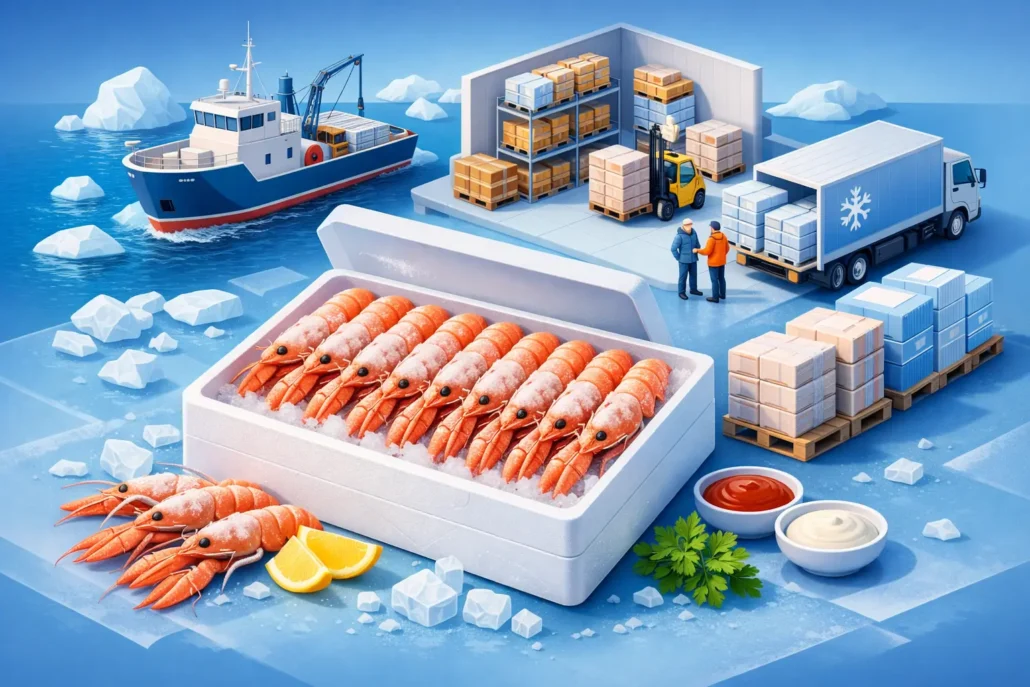

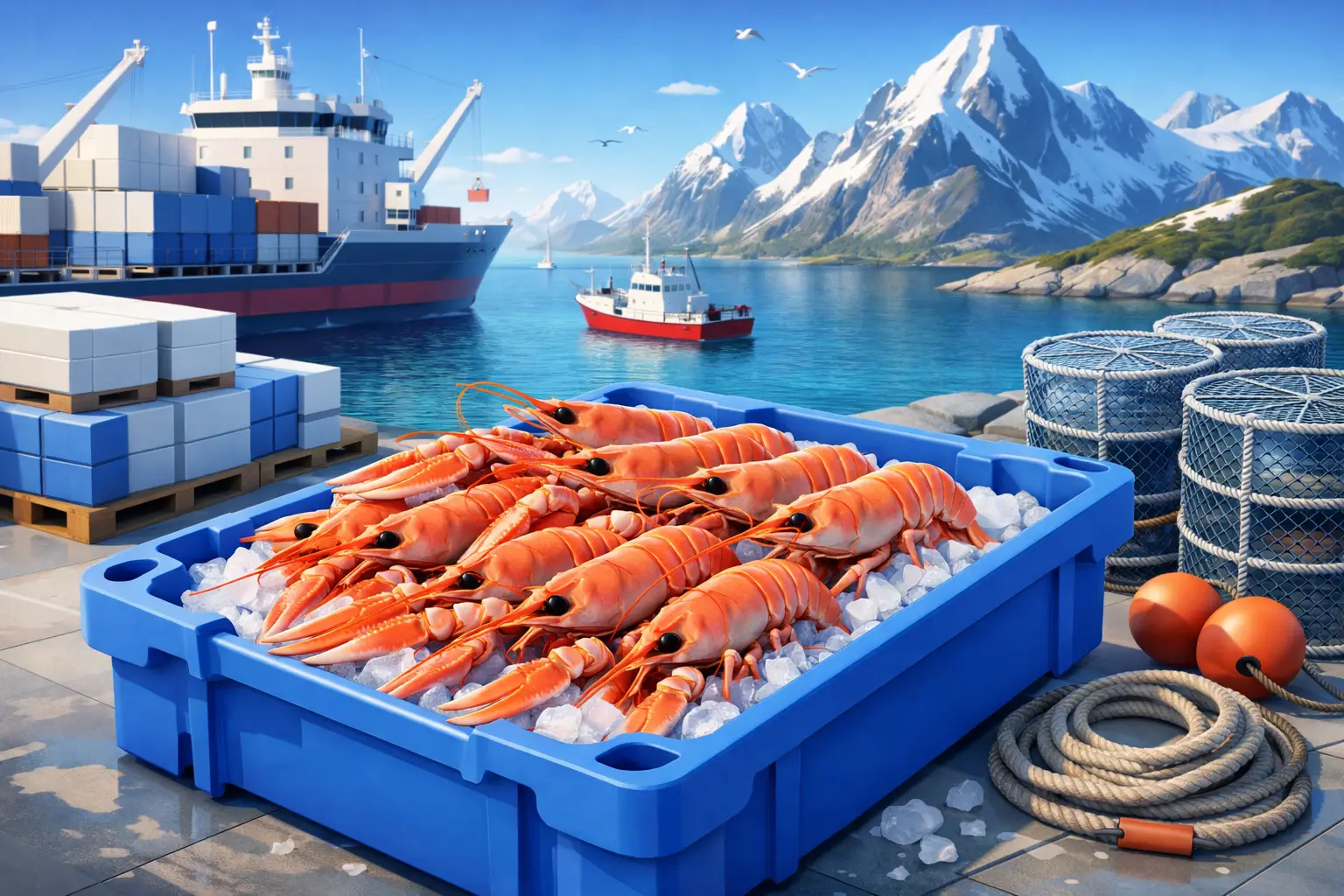
When a buyer asks for premium shellfish with strong menu appeal and dependable resale value, langoustine wholesale Norway usually enters the conversation fast. Norwegian langoustines carry weight in wholesale markets because they combine cold-water quality, clean presentation, and export potential across foodservice, retail, and distribution channels. For commercial buyers, that matters more than marketing language. It affects yield, customer satisfaction, and repeat business.
Norway remains a strong sourcing origin for buyers who need more than occasional spot purchases. Importers and distributors are looking for consistency in grading, handling, packing, and shipment readiness. That is where a wholesale supplier makes the difference. Good product is only part of the job. The real value is stable access, traceable origin, and cargo prepared for international trade without unnecessary friction.
Why langoustine wholesale Norway attracts serious buyers
Langoustines from Norway benefit from cold, clean waters and a fishing sector known for disciplined handling standards. For wholesale buyers, this often translates into better shell condition, attractive color, and a cleaner eating experience. Those points matter whether the end customer is a fine dining kitchen, a premium seafood counter, or a distributor serving hospitality accounts.
The commercial appeal is also practical. Langoustines occupy a premium segment without being as operationally difficult as some live shellfish programs. Depending on the format, buyers can stock frozen whole langoustines for broad distribution or target more specialized channels with fresh or live supply where logistics allow. That flexibility gives procurement teams room to match product form with market demand.
There is also a margin story here. Premium origin products can command stronger pricing when the quality is visible and the specification is clear. Buyers are not only purchasing a species. They are purchasing origin, handling, and confidence that the shipment will arrive in line with the agreed standard.
What wholesale buyers should check before placing an order
A serious langoustine program starts with specification. Size grading should be clear from the beginning because it affects presentation, plate cost, and customer expectations. Restaurant suppliers may prefer larger, visually impressive langoustines for center-of-plate use, while broader distribution channels may move mid-range grades more efficiently.
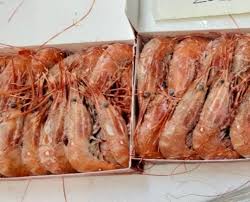
Product format is the next decision. Frozen whole langoustines are often the most practical option for export and inventory planning. Fresh product can be attractive for premium accounts, but the logistics are tighter and shelf-life pressure is higher. Live supply has strong market appeal in select channels, though it requires reliable transit timing, temperature control, and customers equipped to receive and hold the product correctly.
Packing standards should not be treated as a small detail. Wholesale buyers need to know carton weights, inner pack options, glazing approach where relevant, and labeling accuracy. A shipment can be commercially sound and still create problems if pack presentation or documentation does not match the buyer’s distribution system.
Then there is seasonality and catch availability. Supply can shift, and any experienced seafood buyer knows that fixed expectations do not always match real fishing conditions. The best suppliers set expectations early, offer realistic lead times, and communicate clearly when volume, sizing, or timing changes.
Fresh, frozen, or live – what makes sense?
It depends on your market.
Fresh langoustines suit buyers serving high-end restaurants, luxury hospitality, and regional premium retail where rapid turnover is realistic. The upside is strong perceived value and immediate culinary appeal. The trade-off is a tighter logistical window and less room for delay.
Frozen langoustines are often the smartest wholesale format for international buyers. They travel well, support wider geographic distribution, and reduce the pressure of immediate sell-through. For importers managing multiple accounts, frozen stock usually provides the best balance of quality retention and planning control.
Live langoustines can create standout value, but only when the supply chain is prepared for it. This is not a category where shortcuts work. If transit handling, customs timing, or customer receiving conditions are weak, live product becomes a risk rather than an advantage.
The sourcing advantage of Norwegian langoustines
Origin claims are common in seafood, but buyers still need substance behind them. Norwegian supply stands out when the source is backed by experienced fishermen, disciplined processing, and a supplier that understands export requirements. That combination helps reduce the uncertainty that often comes with international seafood purchasing.
For wholesale customers, traceability matters for both commercial and regulatory reasons. End buyers increasingly want clear origin stories, while importers need documentation that supports smooth trade. Norwegian seafood supply is well positioned here because the market expects professionalism from origin to export stage.
Quality control matters just as much as origin. Langoustines are a high-value shellfish item, so handling standards affect the final product quickly. Temperature management, careful packing, and fast processing all influence shell appearance, meat quality, and overall presentation. If a supplier is careless at any point, buyers feel it immediately in claims, waste, or customer complaints.
How bulk buyers protect margins in this category
Norwegian langoustines
Buying premium seafood is not only about getting the lowest quote. It is about securing a product that sells through with fewer issues. A cheaper shipment can become expensive if grading is inconsistent, breakage is high, or customer confidence drops after the first delivery.
That is why experienced buyers assess total value instead of invoice price alone. They look at usable yield, consistency between lots, freight practicality, and whether the supplier can support repeat orders. A strong wholesale partner helps buyers avoid the stop-start cycle that damages customer relationships downstream.
This is especially relevant in langoustines because the product often serves premium channels. If a distributor is selling to white-tablecloth restaurants or upscale seafood counters, one poor delivery can cost more than the margin on several good ones. Reliability becomes part of the product.
Questions worth asking your supplier
Before committing to volume, commercial buyers should ask about grading consistency, available sizes, product forms, packing options, lead times, export documentation, and minimum order expectations. It is also worth asking how the supplier handles supply fluctuations and what communication looks like when conditions change.
The answers reveal a lot. Serious exporters are usually direct, specific, and realistic. If responses are vague, that tends to show up later in the order process.
Where langoustines fit in foodservice and retail
Langoustines are a strong fit for premium restaurant menus because they offer visual appeal and a clear quality signal to diners. They work well grilled, roasted, split for presentation, or featured in shellfish platters. For chefs, the Norwegian origin adds a useful selling point without requiring much explanation.
In retail and specialty distribution, langoustines can help buyers build a more premium shellfish assortment. They are particularly relevant for seafood counters serving affluent shoppers, holiday demand, and customers looking for restaurant-quality product at home. Frozen formats often support this channel best because they offer inventory flexibility without giving up premium positioning.
Distributors serving mixed customer bases can also use langoustines strategically. Not every account will need them, but the right accounts can generate strong value from a well-specified product line. This is where a broad seafood supplier becomes useful. Buyers can consolidate shellfish and fish categories under one export-ready source rather than juggling multiple vendors.
Choosing a langoustine wholesale Norway partner
A dependable supplier should offer more than product availability. Buyers need confidence in quality control, competitive wholesale pricing, responsive communication, and export readiness. They also need a partner that understands commercial pressure on the buyer side. Delays, unclear specs, and inconsistent packing create real costs.
Aschums Seafood AB serves this market with a practical wholesale focus built around premium Norwegian sourcing, bulk supply, and international export support. For buyers sourcing langoustines alongside other Atlantic seafood lines, that kind of supplier relationship can simplify procurement while protecting quality expectations.
The right langoustine program is rarely about chasing the cheapest line on paper. It is about securing premium product from the pristine waters of Norway, delivered with care, and backed by a supplier that treats wholesale business like long-term business. If your customers expect premium shellfish and dependable supply, that is the standard worth buying against.