
A premium seafood program is only as strong as its weakest SKU. If one product arrives below spec, yield drops, customer trust slips, and margins tighten fast. That is why many importers and distributors searching for the best Norwegian seafood products are not looking for novelty – they are looking for dependable volume, clean handling, strong origin value, and species that sell.
Norway stands out because it offers more than a good fishing story. It offers cold-water quality, well-established harvesting standards, and product formats that work across retail, foodservice, and wholesale distribution. For commercial buyers, the real question is not whether Norwegian seafood has value. It is which products create the best mix of demand, consistency, and pricing power in your market.
What makes the best Norwegian seafood products stand out
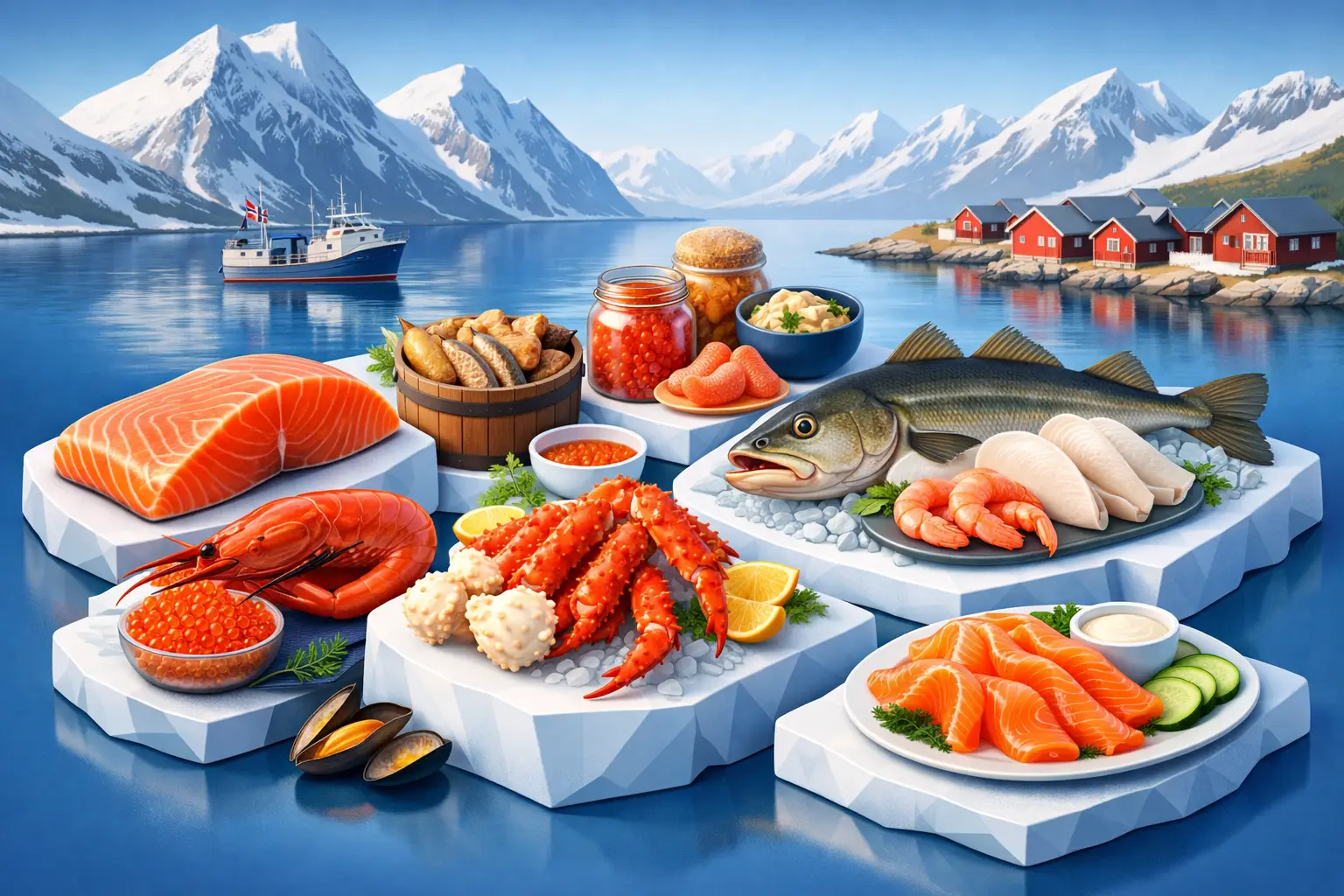
The strongest Norwegian seafood products usually share four traits. First, they come from cold, clean waters that support firm texture, clean flavor, and strong visual quality. Second, they are processed for export with specifications that commercial buyers can work with, whether the need is fresh whole fish, frozen portions, smoked items, live shellfish, or dried traditional products.
Third, they fit a clear demand channel. Some products move well in premium restaurants, others in ethnic retail, seafood counters, or broadline foodservice. Fourth, they hold their value over time. A beautiful product is not enough if supply is unreliable or sizing varies too much lot to lot.
For that reason, the best buying decisions are usually practical rather than trendy. Buyers need species that support repeat orders, stable merchandising, and customer confidence.
Best Norwegian seafood products for wholesale and export
Atlantic salmon
Atlantic salmon remains one of the most commercially important Norwegian seafood products for good reason. It has broad recognition in the US market, strong menu versatility, and multiple format options including fresh, frozen, fillets, portions, smoked cuts, and value-added trims such as salmon bellies.
For wholesalers and distributors, salmon offers scale. It can serve supermarket seafood cases, sushi programs, restaurant groups, meal manufacturers, and smoked seafood buyers. The trade-off is that salmon is also a competitive category, so not every buyer wins on price alone. Success usually depends on consistent grading, reliable packing, and timing that protects freshness.
Atlantic cod
Norwegian Atlantic cod is one of the most trusted whitefish categories in international trade. Buyers value it for its clean flakes, mild flavor, and strong performance in both fresh and frozen formats. It suits fish counters, foodservice menus, battered products, and premium retail packs.
Cod also gives buyers flexibility. Whole fish, headed and gutted, fillets, loins, and portions all have a place depending on the end market. If your customers need a premium whitefish with broad consumer appeal, cod is often one of the safest commercial choices.
Haddock
Haddock is a smart product for buyers who want a whitefish with strong foodservice and retail relevance but a slightly different market position than cod. Its flavor is a bit more distinct, and in the right programs it can deliver excellent value.
The key with haddock is market fit. In regions where buyers and chefs know the species well, it can be a dependable seller. In less familiar markets, cod may move faster. That does not make haddock a weaker product – it simply means demand can be more channel-specific.
Atlantic mackerel
Mackerel is one of the best Norwegian seafood products for buyers serving export markets that value oily fish, strong flavor, and nutritional positioning. Norwegian mackerel is well regarded for its rich taste, fat content, and quality from cold waters.
This category performs especially well in frozen export and ethnic retail channels, and it can also be attractive for processors. The commercial advantage is that mackerel often combines strong demand with competitive pricing versus higher-cost premium fish. The main consideration is market preference. It sells exceptionally well where consumers already appreciate the species, but less so where whitefish and salmon dominate.
King crab and snow crab
For buyers serving luxury retail, hospitality, and premium seafood distribution, Norwegian king crab and snow crab are standout products. They carry strong origin appeal, high menu value, and clear premium positioning. Live, frozen, and processed formats can all be relevant depending on destination market and logistics.
These crab categories are not volume commodities in the same way salmon or cod can be. They are margin-driven items that require careful planning, proper cold chain management, and customers willing to pay for quality. For the right buyer, they can elevate an entire seafood portfolio.
Brown crab and langoustines
Brown crab and langoustines offer a more specialized opportunity. Brown crab can perform well in markets that appreciate European crab species and are open to differentiated shellfish offerings. Langoustines appeal strongly to upscale restaurants, seafood specialists, and premium distributors looking for refined presentation and delicate flavor.
These are not universal-volume products, but they can be highly effective in niche channels. Buyers with a customer base in fine dining or specialty seafood retail often see strong value here, especially when origin and handling are clearly communicated.
Shrimp
Shrimp is a global staple, but Norwegian-origin shrimp can give commercial buyers a premium angle tied to cold-water sourcing and quality perception. For seafood counters, frozen packs, and selected foodservice channels, it can be an effective addition to a broader Nordic seafood offering.
The buying decision depends on your category strategy. If shrimp is a core traffic driver, Norwegian product may work best as a premium line rather than a mass-volume replacement for lower-cost origins. That distinction matters when setting expectations on pricing and turnover.
Smoked salmon and smoked seafood
Smoked seafood is where origin story and product finish meet. Norwegian smoked salmon has strong appeal in retail deli, hospitality breakfast service, premium gift assortments, and specialty food distribution. It offers convenience, high perceived value, and a format that travels well across channels.
The advantage for buyers is added value without requiring in-house processing. The challenge is specification discipline. Slice quality, smoke level, fat line, trim standard, and packaging all matter. Buyers who know exactly what their market expects usually do best in this category.
Stockfish and dried cod products
Traditional Norwegian stockfish remains one of the most distinctive export products in the market. It is not a mainstream item for every buyer, but in the right regions and ethnic channels it carries deep demand, strong heritage value, and attractive specialization potential.
Stockfish is a clear example of why the best Norwegian seafood products depend on your market. For a broadline distributor with no dried fish demand, it may not be relevant. For an importer supplying established cultural markets, it can be one of the strongest lines in the catalog.
How commercial buyers should evaluate the best Norwegian seafood products
Product quality matters, but commercial buying decisions are rarely made on quality alone. Buyers need to assess whether the product fits their customer base, margin targets, handling capabilities, and reorder cycle.
Fresh products can create excellent premium positioning, but they require precise logistics and quick turnover. Frozen products offer flexibility, easier inventory planning, and broader export reach. Live seafood can command top value, but only if the receiving side has the infrastructure to handle it correctly.
Specification discipline is equally important. Size range, glaze, packing style, cut type, and expected yield should all be clear before a program starts. A premium species can still become a difficult line if specifications are inconsistent or the product format does not match end-user demand.
For many buyers, the strongest strategy is to build a balanced Norwegian range rather than rely on a single flagship species. Salmon may drive broad demand. Cod may strengthen whitefish sales. Smoked products can add margin. Crab or langoustines can serve premium accounts. Stockfish can support niche trade. That mix tends to be more resilient than a one-category approach.
Choosing a supply partner for Norwegian seafood
The product list matters, but the supplier relationship matters just as much. Commercial buyers need a partner that understands export requirements, responds quickly, and can source across multiple categories without losing control of quality. That includes dependable handling, clear communication on availability, and realistic commitments on lead times.
A supplier with direct access to trusted fishermen and processors can often offer better consistency than one that simply trades whatever is available that week. That difference shows up in freshness, grading, and long-term program stability. For importers and distributors, reliability is not a soft benefit. It directly affects claims, customer retention, and profit.
Aschums Seafood AB operates with that wholesale reality in mind, supplying Norwegian seafood for buyers who need premium sourcing, export-ready formats, and a practical supply partner rather than a consumer storefront.
The best Norwegian seafood products are the ones that fit your market, arrive to spec, and keep selling after the first shipment. If your buying strategy starts there, product quality turns into something more valuable – repeat business.