

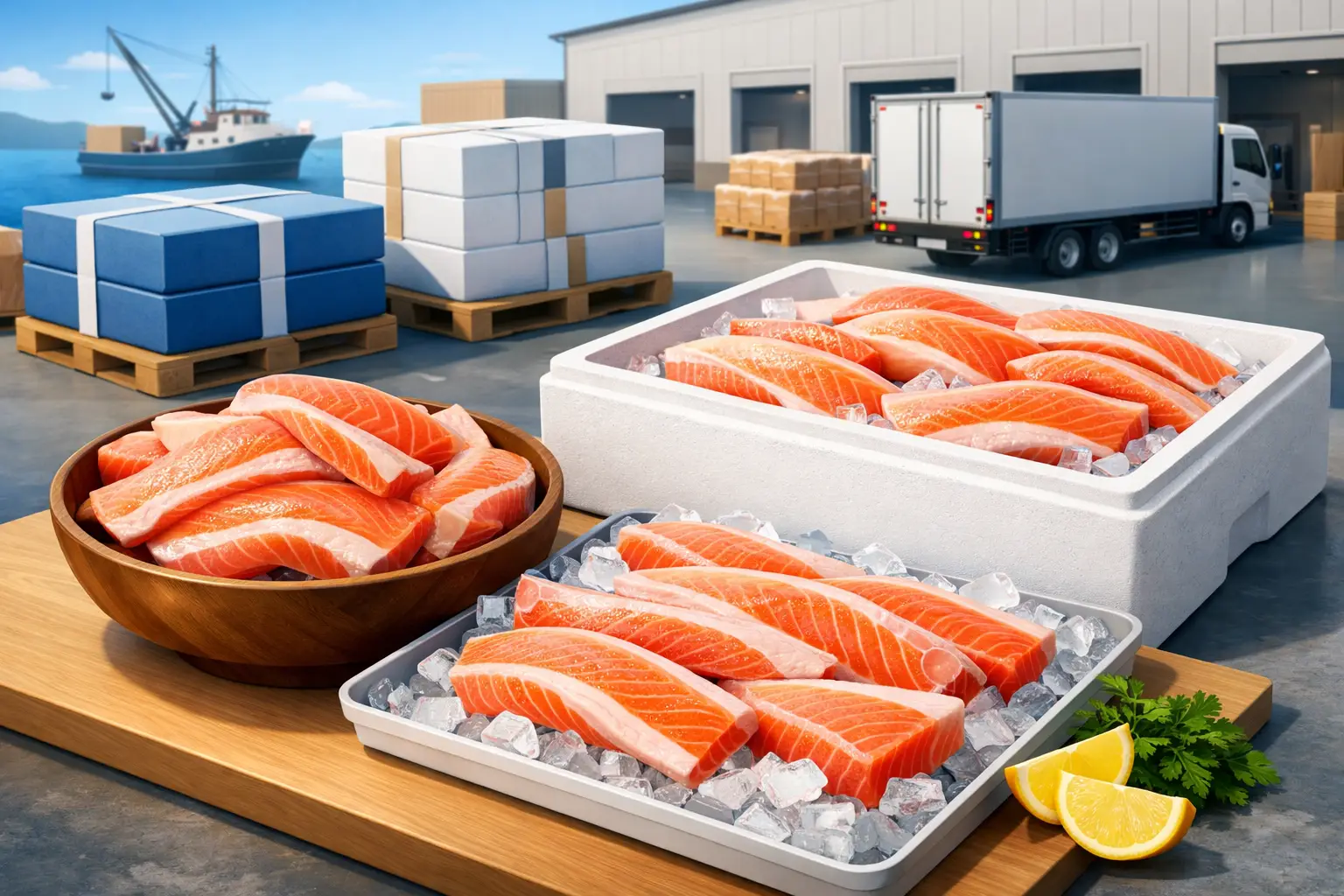
Margins often improve in the parts of the fish that retail shoppers overlook. For importers, distributors, and foodservice buyers, salmon bellies wholesale is a category worth closer attention because it combines strong flavor, versatile applications, and competitive buying economics in one export-ready product.
Salmon bellies are valued for their rich fat content, soft texture, and broad menu potential. In the right channels, they are not a secondary item at all. They are a premium raw material for smoked products, grilling portions, frozen retail packs, prepared seafood lines, and specialty ethnic markets that already understand the cut and actively ask for it.
Why salmon bellies wholesale makes sense
Wholesale buying is not only about volume. It is about finding products that move consistently and give buyers room to work on price, yield, and positioning. Salmon bellies fit that profile well.
Compared with center-cut salmon portions, bellies typically offer a lower entry cost per pound while still delivering the taste profile many end users want most. The higher fat content gives them a fuller mouthfeel and makes them especially suitable for smoking, broiling, pan-searing, and marinated ready-to-cook formats. For restaurant suppliers and seafood processors, that creates useful flexibility.
There is also a demand-side advantage. In many markets, salmon belly is already established in barbecue, sushi, hot pot, smoked seafood, and value-added frozen categories. Buyers serving Asian markets, premium seafood counters, and independent restaurants often see steady repeat demand when quality is consistent.
That said, this is not a one-size-fits-all item. Bellies are less suited to programs that require uniform, center-plate presentation. If your customers want highly standardized fillet portions, another salmon specification may be a better fit. But if the goal is flavor, value, and strong secondary processing potential, salmon bellies can be a smart wholesale line.
What commercial buyers should look for
When evaluating salmon bellies wholesale supply, specification matters more than broad product claims. Two suppliers may both sell salmon bellies, but the commercial result can be very different depending on trim quality, grading discipline, freezing method, and packing consistency.
Start with origin. Norwegian Atlantic salmon remains a strong choice for professional buyers because of its reputation for clean waters, disciplined farming standards, and dependable export infrastructure. Origin supports more than marketing. It affects buyer confidence, supply planning, and the consistency expected by retail and foodservice customers.
Then look at cut definition. Some buyers want wider belly strips with more fat coverage for grilling and smoking. Others prefer tighter trimming for portion control or resale packing. Clear agreement on size range, trim level, skin-on or skinless format, and frozen or chilled condition helps prevent costly mismatches.
Handling is equally important. Bellies are a rich product, which makes cold chain performance critical. Temperature abuse will show quickly in texture and shelf life. For export programs, professionally packed frozen product is often the safer option, especially for longer shipping routes or importers managing wider distribution across the US.
Packaging should also match your downstream use. Bulk cartons may suit processors and large distributors, while smaller fixed-weight packs can help buyers serving retail or regional foodservice customers. There is no single best format. The right choice depends on how much repacking, relabeling, or further processing your business wants to take on.
Quality indicators that affect resale value
Commercial seafood buyers know that appearance is only part of the story, but it still matters. Good salmon bellies should show clean trimming, natural color, and a fresh, well-kept look if chilled, or solid frozen integrity if packed for export. Excessive damage, uneven cuts, or poor glazing can quickly reduce resale confidence.
Fat content is one of the category’s main strengths, but it has to be balanced by proper handling. Rich bellies with poor freezing discipline can lose value fast. Buyers should ask practical questions about processing timelines, freezing methods, storage conditions, and export packing standards rather than relying on broad quality claims alone.
Consistency from shipment to shipment often matters more than getting the very lowest price on a single order. If one load is excellent and the next arrives with different trim, mixed sizing, or weaker packing, the margin you thought you gained can disappear in claims, sorting labor, and customer dissatisfaction.
For that reason, dependable suppliers tend to stand out by being specific. They can describe the product clearly, confirm available formats, and support repeat purchasing with stable standards. In wholesale seafood, predictability is part of quality.
Best-fit channels for salmon bellies
Not every seafood line works equally well across all channels. Salmon bellies tend to perform best when buyers already understand how to sell flavor, richness, and value rather than strict fillet uniformity.
Foodservice distributors often place bellies with operators who run grilled seafood, smoked dishes, rice bowls, ramen, seafood platters, or appetizer menus. The cut’s fat content supports strong cooking performance and helps chefs deliver a premium eating experience without paying center-cut prices.
Retail and specialty buyers can also build solid programs around salmon bellies, especially in frozen seafood sections, ethnic grocery channels, and prepared food lines. In these settings, the product may be marketed for grilling, air frying, marinating, or smoking at home. Good consumer response usually depends on clear sizing and reliable pack presentation.
Processors are another natural fit. Bellies can be used in smoked salmon applications, seasoned frozen products, seafood meal components, and other value-added formats where flavor matters more than symmetrical presentation. For these buyers, dependable raw material quality and supply continuity are usually the top priorities.
Norway as a sourcing advantage
For international buyers, Norwegian seafood carries practical value beyond reputation. Norway offers mature export systems, strong cold chain discipline, and a long-standing position in global salmon trade. That matters when you are buying in volume and building programs that depend on dependable arrivals.
Norwegian sourcing also supports premium positioning in the market. Buyers selling to restaurants, specialty retailers, and higher-end seafood counters often benefit from country-of-origin recognition. When the product is handled properly and delivered with care, origin becomes part of the commercial story, not just a line on paperwork.
This is where supplier relationships make a measurable difference. A serious wholesale partner should be able to support inquiries with straightforward answers on specification, availability, packing, and shipment planning. Aschums Seafood AB focuses on export-ready Norwegian seafood for commercial buyers, and that type of direct wholesale orientation tends to matter more than broad consumer-style marketing.
Buying salmon bellies wholesale without surprises
The cleanest wholesale transactions usually start with a short list of non-negotiables. Buyers should confirm product form, carton weight, freezing status, estimated lead times, and minimum order expectations before discussing price in detail. It sounds basic, but many avoidable issues begin with assumptions around specification.
It is also worth discussing seasonality and supply rhythm. Salmon is a year-round category, but actual availability of specific cuts can shift with processing flows and buyer demand. If salmon bellies are central to your program, planning regular procurement with a trusted supplier is usually better than sourcing opportunistically each time you need stock.
Freight strategy matters too. Lower unit prices can lose their appeal if packing is inefficient or if transit conditions create risk. For many US importers and distributors, frozen export packs offer the best balance of shelf life, shipment security, and inventory control. Chilled product can work well in some programs, but timing needs to be tighter and handling discipline needs to be excellent.
The final point is simple. Buy for your market, not for the headline price. If your customers want rich flavor, flexible applications, and a premium Norwegian salmon product that can be sold competitively, salmon bellies deserve a place in the conversation. The best wholesale results come from matching the right specification to the right channel, then working with a supplier who treats consistency as a commercial standard, not a bonus.
A smart seafood program is rarely built on the most obvious cut alone, and salmon bellies are a good example of why experienced buyers keep looking beyond the center fillet.